
The company believes that its flexible multi-powertrain strategy and sustained EV investments will help it stay ahead amid rising global uncertainty and shifting mobility trends.
As the global automobile industry navigates geopolitical tensions, rising commodity prices, shifting fuel preferences and uncertainty around electric vehicles, Tata Motors Passenger Vehicles Limited (TMPVL) is choosing to stay firmly on the growth path. During a detailed interaction with journalists and analysts, Mr. Shailesh Chandra, Managing Director and CEO of the company outlined how it plans to balance traditional engines, electric mobility and future technologies while protecting profitability and preparing for long-term demand shifts.
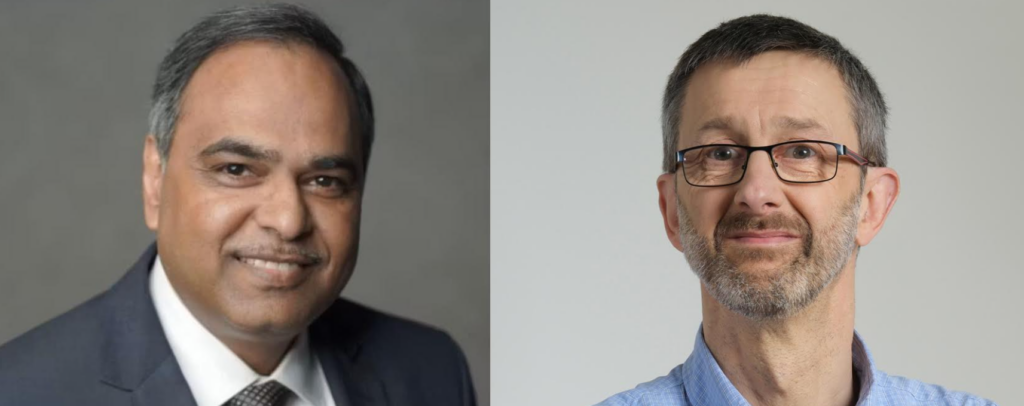
Ahead of discussing the company’s performance and outlook, he announced the company’s mixed FY26 results, where strong domestic passenger vehicle and EV growth helped offset global challenges at Jaguar Land Rover. In Q4 FY26, consolidated revenue rose 7.2% YoY to ₹1.05 lakh crore, with EBIT at ₹8,900 crore, supported by normalised JLR production and healthy domestic demand.
For FY26, consolidated revenue declined 8.3% YoY to ₹3.35 lakh crore, while EBITDA and EBIT margins stood at 6.8% and 1.1% respectively. Profit before tax before exceptional items was ₹2,500 crore, but after exceptional charges of ₹4,100 crore, the company posted a loss before tax of ₹1,600 crore from continuing operations.
Weathering Worldwide Headwinds
At the core of the discussion was the changing global environment. While he acknowledged that conflicts in the Middle East and rising crude oil prices are beginning to influence costs across the industry. Mr. Chandra explained that inflationary pressure is now visible across commodities such as steel, copper, aluminium, rubber and petroleum-based materials. Over the last nine to twelve months, commodity costs have risen by nearly 5%, creating pressure on margins. Yet he made it clear that it does not intend to slow down investments or product plans because of these challenges.
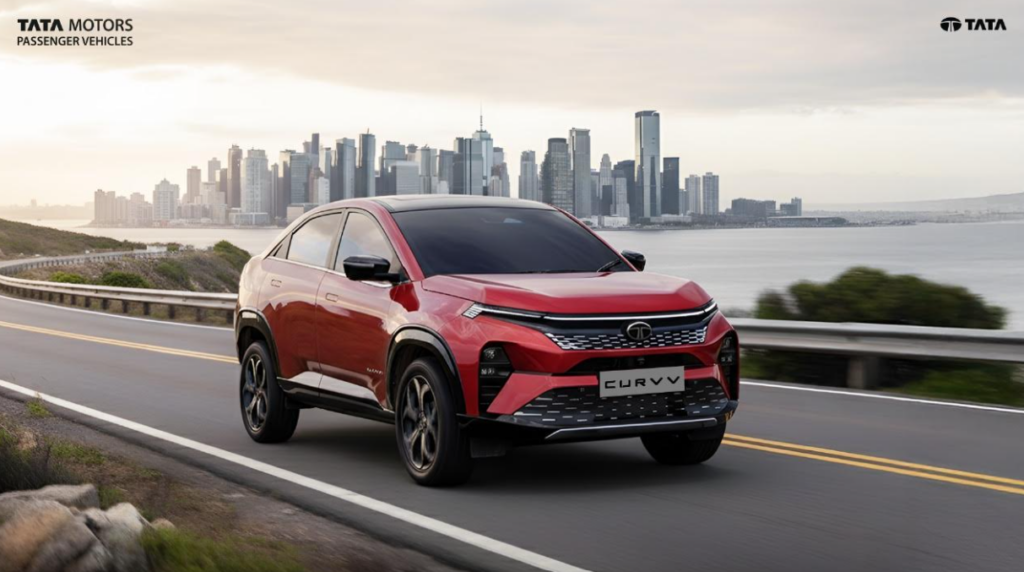
Jaguar Land Rover (JLR), the company’ luxury vehicle business, admitted that the Middle East conflict could temporarily affect demand in that region, although it contributes only a small portion of total sales. However, Mr. Richard Molyneux, CFO of the brand, said underlying customer interest in its brands remains strong globally. North America and Europe continue to hold steady, while China, after a difficult phase, is beginning to stabilise. The company also stressed that it has experience in handling supply disruptions and inflationary situations quickly and effectively.
New Mobility
Despite growing global debate over the pace of EV adoption, Tata Motors remained highly optimistic about electric mobility. Mr. Chandra noted that EV profitability is already healthy and is not significantly lower than conventional internal combustion engine vehicles. He believes that stricter emission regulations will gradually make petrol and diesel vehicles more expensive, while EV costs are expected to reduce further over time. This, according to the him, will make electric vehicles equally or even more profitable in the future.
The OEM also highlighted that greener technologies are already becoming a major part of its business. Nearly 43% of its total volumes now come from CNG and electric vehicles combined. While some global automakers are reconsidering EV investments and increasing focus on hybrids, TMPVL believes its wide powertrain strategy gives it enough flexibility. The company is technologically ready for hybrids if market conditions demand them, but currently sees no urgency to aggressively push hybrid technology in India, he noted.
Mr. Chandra revealed that inquiries and bookings for electric vehicles have increased significantly in recent months. The rise in fuel price concerns, coupled with the Prime Minister’s strong push for electric mobility, has further strengthened consumer interest. The company estimated that bookings linked to the recent geopolitical situation alone have increased by nearly 25 to 30%.
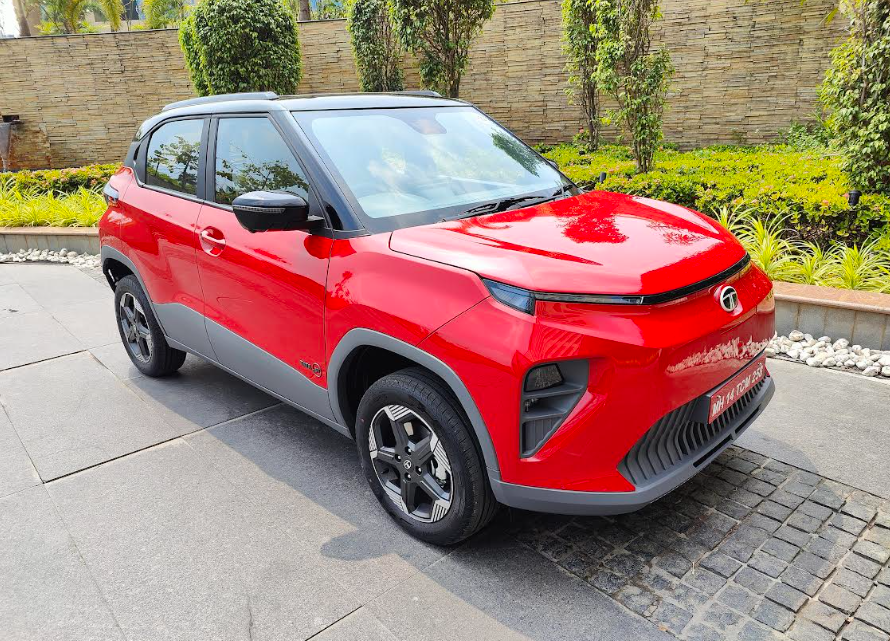
At the same time, the company is strengthening its aftersales and service network to support growing vehicle volumes. Over the past year, the company added nearly 1,600 service bays across the country to reduce customer waiting periods and improve service quality. Warranty costs, meanwhile, remain stable at around one percent of revenue.
On the technology front, TMPVL is closely monitoring battery material costs and semiconductor availability. While memory chip shortages have not impacted operations significantly so far, the company admitted that lithium price increases and regulatory actions in China could put pressure on battery cell prices in the future. However, the company believes the situation is manageable at present.
The automaker also confirmed its readiness for flex-fuel technology and higher ethanol blending targets. It plans to introduce at least one flex-fuel product by the end of this year or early next year. “All our vehicles are already compatible with E20 fuel standards,” Mr. Chandra mentioned.
Even as global uncertainty continues, Tata Motors remains confident about the Indian passenger vehicle market. The company believes industry growth can still remain around 10% in the coming financial year, supported by strong customer demand, multiple new product launches and favourable market momentum. He said the demand during April and May has remained robust despite concerns around fuel prices and geopolitical tensions.
JLR too reaffirmed its long-term commitment to electrification. The company confirmed that major upcoming products including Range Rover Electric, Range Rover Sport Electric and the new all-electric Jaguar will launch as planned. The future Jaguar models are aimed at the luxury segment and that the company remains fully confident about the potential of premium electric vehicles.