
By Vishwas Shankar, Vice President & Nachiket Devasthale, Senior Consultant, Mobility Growth Advisory, Frost & Sullivan
India’s commercial vehicle (CV) industry has been anchored in diesel-led operating economics for decades. Vehicle value has traditionally been defined by uptime and payload, with limited emphasis on emissions. For most of that time, electric mobility sat somewhere between wishful thinking and triviality for the people actually running fleets. That calculus is now changing fast.

Vishwas Shankar

Nachiket Devasthale
What started as a government-nudged experiment in electric buses has grown into a broad-based push across buses, light commercial vehicles, and, increasingly, medium- and heavy-duty trucks. Policy tailwinds, improving battery economics, and a new generation of cost-conscious fleet operators are all converging at once. India’s commercial vehicle electrification story is no longer a distant ambition. It is a live, still unfolding market transformation.
Policy as the Primary Ignition Switch
No single force has done more to shift India’s commercial EV trajectory than state policy. Taken together, FAME II, the Advanced Chemistry Cell PLI, and PM eBus Sewa have channeled thousands of crores into the sector, with ambitions that stretch well beyond subsidizing vehicle purchases, reaching deep into battery production and the build-out of charging networks.
More recently, the PM eDrive scheme has extended the government’s reach further into commercial fleet electrification, while import duty reforms have opened the door a crack for global OEMs. According to Frost C Sullivan’s India EV Outlook for 2026 C beyond, these policies represent a deliberate pivot away from demand-side incentives and toward manufacturing capability and supply chain depth. The policy architecture signals a shift in philosophy that subsidizing demand is no longer the primary lever, and developing indigenous manufacturing capability is.
The Electric Bus: Where the Story Began
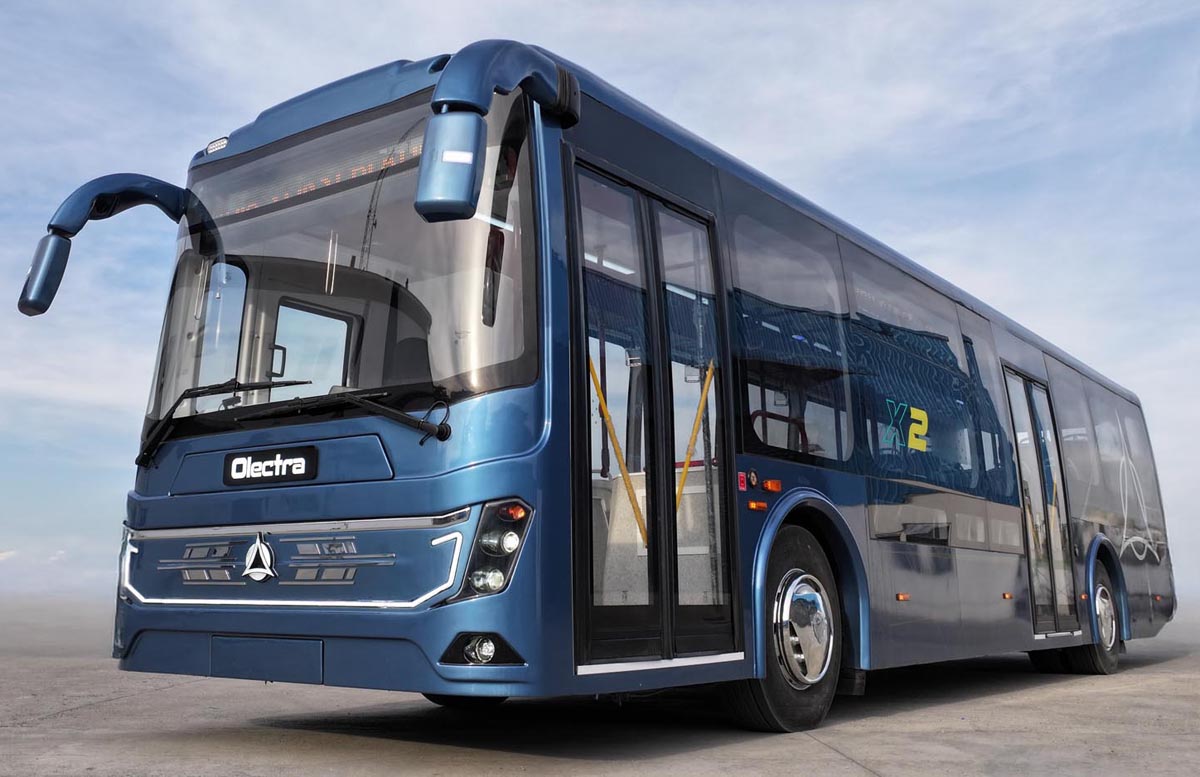
If one segment has put Indian commercial EV adoption on the map, it is the electric bus. Anchored by large government tenders under PM eBus Sewa and state transport corporations across Maharashtra, Karnataka, Delhi, and Tamil Nadu, electric buses have transitioned from pilot deployments to scaled operations within a few years.
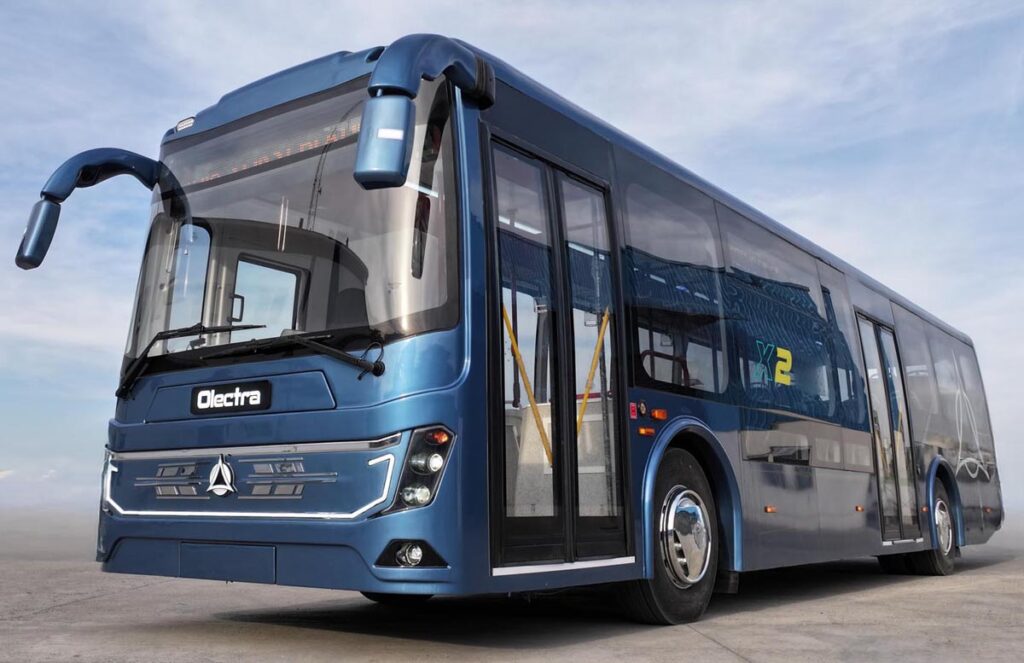
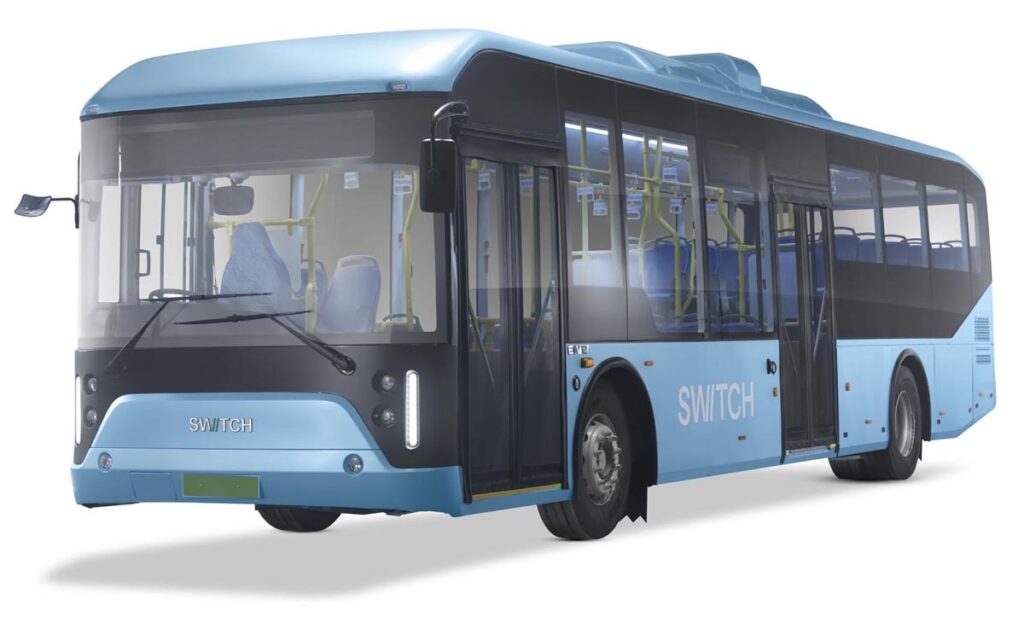
Frost C Sullivan projects the segment to reach approximately 20% market penetration by 2030, driven almost entirely by government procurement. OEMs like Tata Motors, Olectra Greentech, Switch Mobility, and JBM Auto have scaled up accordingly, building dedicated EV platforms rather than retrofitting diesel architectures. For such OEMs, each bus in service is as much a demonstration as it is a revenue unit, offering daily evidence that electric drivetrains can handle the heat, roads, and duty cycles that India demands.
LCVs and Last-Mile: The Volume Opportunity
While buses grabbed the early headlines, the real volume opportunity in commercial EV adoption sits in the light commercial vehicle segment. Fueled by the explosion of e-commerce, quick commerce, and hyperlocal logistics, demand for sub-one-tonne and one-tonne-class electric cargo vehicles has grown sharply. Names like the Mahindra Treo Zor, Piaggio Ape E-City, and Tata Ace EV are no longer niche offerings; they are increasingly the default choice for urban fleet aggregators.
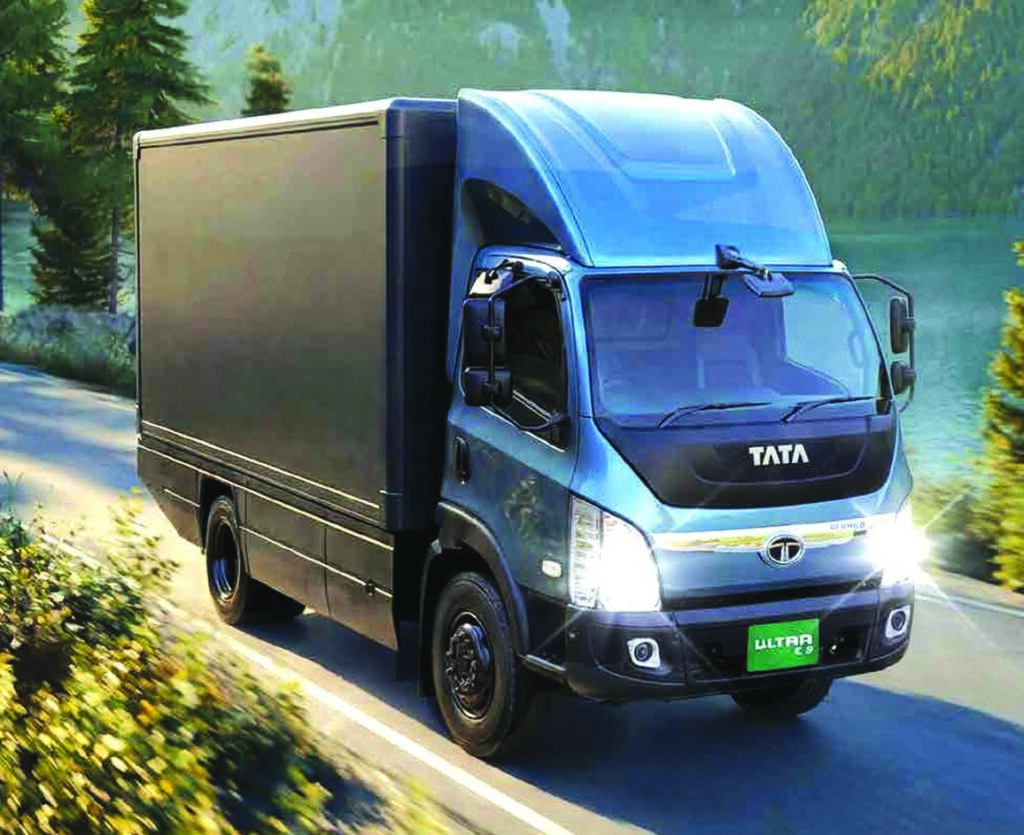
The pivot is not purely about zero emissions. It is about lower running costs, telematics integration, and predictable total cost of ownership. Frost C Sullivan’s Frost Radar on Light Commercial Vehicles in India highlights the country as a genuine launchpad for LCV innovation. For intra-city logistics operators, the math on electric LCVs already works in most major urban corridors.
The Next Frontier: Medium-and Heavy-Duty Truck Electrification
The electrification of medium- and heavy-duty trucks remains the most challenging, and most consequential, chapter in this story. These vehicles move the bulk of the country’s freight and are among the largest contributors to transport-related emissions. They are also the hardest to electrify, given their range requirements, payload constraints, and the economics of high-voltage charging infrastructure on national highways. Yet momentum is building.
In October 2024, Ashok Leyland commenced delivery of 180 electric trucks, including the AVTR 55T Electric Tractor and the BOSS Electric Truck, to Billion Electric Mobility, marking the largest single order for electric trucks in India to date. Frost C Sullivan’s analysis of the global commercial vehicle landscape places India alongside ASEAN and Latin America as one of the key demand-side growth regions for medium- and heavy-duty trucks, even as North America and Europe experience muted demand. That structural tailwind makes the Indian market strategically critical ground for OEM investment in electric platforms.
The Divide: Range, Charging, and the Localisation Gap
For all the optimism, the road to full-scale adoption is lined with real barriers. Range anxiety remains acute for intercity and highway freight operators, as electric trucks capable of 400-plus-kilometre runs with full payloads are still in their early stages. Charging infrastructure along national highway corridors is thin, and the economics of depot charging for large fleets require significant upfront capital.
The localization challenge is equally pressing. Frost C Sullivan research points repeatedly to the same structural weakness: the domestic EV industry sources too little of what matters most, cells, power electronics, and motors, from within its own borders, and that import dependency keeps costs stubbornly high. The dependence on Chinese cell imports means that a shift in trade policy, a weakening rupee, or a supply shock abroad can land directly on Indian EV economics overnight. The PLI scheme for Advanced Chemistry Cells is an attempt to address this, but domestic cell manufacturing at scale is still years away.
The OEM Race: Legacy Giants and Agile Newcomers
India’s legacy CV OEMs are not sitting still. Tata Motors, with a product portfolio spanning the Ace EV to full-size electric buses, arguably has the deepest electric CV footprint today. Ashok Leyland, through its electric truck deliveries and its e-drive collaboration with Nidec, is rapidly building capability in the medium and heavy segments. Mahindra’s Last Mile Mobility division has carved a strong niche in electric three-wheelers and small commercial vehicles.
Alongside these incumbents, newer entrants, Euler Motors, Altigreen, Switch Mobility, are bringing purpose-built electric architectures, and software-first thinking to fleet customers. The competitive dynamic is healthy. Legacy players bring distribution depth, after-sales networks, and hard-won brand trust. Startups bring engineering agility and a willingness to rethink the vehicle from scratch. India’s commercial EV market will likely be shaped by both.
The Road Ahead: Industry Stakeholders Next Steps?
India’s commercial vehicle electrification is past the point of debate. The question is no longer whether it will happen, it is how quickly, and on whose terms.
For fleet operators, the near-term priority is a hard-nosed total cost of ownership analysis. Electric LCVs and buses already offer favorable economics in defined urban corridors. Waiting for perfect conditions risks ceding first-mover advantages to nimbler competitors.
For OEMs and component suppliers, the strategic imperative is localization. For policymakers, the challenge is to sustain an enabling environment through stable incentive frameworks, accelerated highway charging deployment, and a consistent localization push through the PLI mechanism, without creating market distortions that crowd out private investment.
None of this arrives fully formed. Diesel engines will haul majority of India’s freight for years to come. Battery range still constrains long-haul operators. Highway charging is thin on the ground. But the direction of travel is no longer in doubt. The trucks and buses that move this country’s economy are beginning their own electric journey, and for everyone in the value chain, the time to prepare is right now.