


For TMPV profitability declined primarily due to a sharp rise in commodity prices, which impacted revenue by nearly 4.5% in Q1
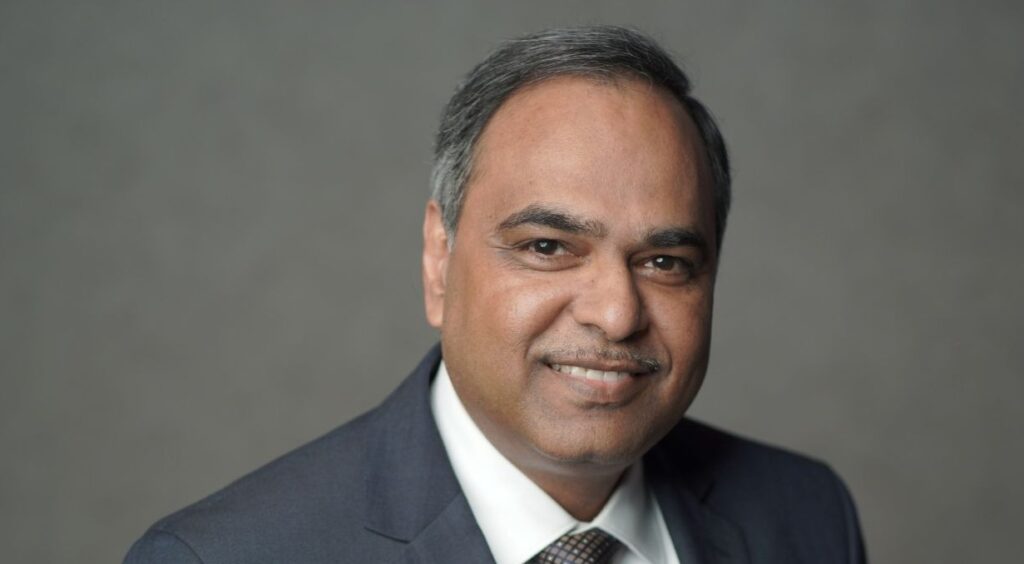
Mr. Shailesh Chandra, Managing Director & CEO, TMPV
Tata Motors Passenger Vehicle’s (TMPV) domestic passenger vehicle business had a significant quarter as the volumes grew 46% compared to last year, comfortably beating the broader industry’s growth rate. Electric vehicles did even better, with volumes surging 112%, helped by a strong product lineup, fresh launches, and rising demand after the West Asia conflict pushed more buyers towards EVs. All this translated into revenue of ₹17,900 crore for the quarter, up nearly 64.8% year-on-year.
However, even as revenue soared, profits didn’t grow at the same pace. Rising costs from unfavourable currency movements and expensive raw materials ate into the gains, Mr. Shailesh Chandra, Managing Director & CEO, TMPV, said. Addressing a conference call yesterday, he said the business still managed to inch its profitability forward — the EBITDA margin improved slightly to 4.3% (+30 bps YoY), and the company came close to breaking even at the pre-tax profit level, a big improvement from the loss it posted a year ago. It also generated healthy free cash flow of ₹1,100 crore and ended the quarter with a comfortable net cash position of ₹8,000 crore.
Margin Pressure
According to Mr. Chandra, profitability declined primarily due to a sharp rise in commodity prices, which impacted revenue by nearly 4.5% in Q1. Besides, roughly 1% impact from PLI-related timing issues linked to new model launches, also added to the woe. The company expects commodity pressure to remain severe in Q2 and plans to respond through continued cost reduction along with calibrated, gradual price increases, rather than passing on costs all at once.
Market Share and EV Leadership
The company retained its position as India’s second-largest passenger vehicle maker, with a market share of 14.3%. Alternative fuel vehicles clearly had a moment this quarter — EVs made up 19% of Tata’s own sales, and CNG vehicles another 27%, together accounting for nearly half of everything the company sold. Within the broader industry, TMPV continued to lead the EV race with a commanding 39% share of the overall electric vehicle market in Q1, which improved further to around 43% by July. The company is targeting upwards of 40% EV market share for the full year, with volume growth expected at around 70% or higher, acknowledging that a high base effect in the second half may moderate growth from the 110-115% levels seen recently, Mr. Chandra noted.
Exports on the Rise
Exports rose sharply from 1,035 to 2,432 units between April and July, driven mainly by expansion in South Africa through a wider product range and growing dealership network. Similar momentum is expected to continue this quarter. The company plans to enter another “major export market” by the end of this financial year or early next, alongside identifying additional ICE and EV-focused markets for expansion in the next two to three years, he indicated.
New Launches, Strong Demand, Supply Catching Up
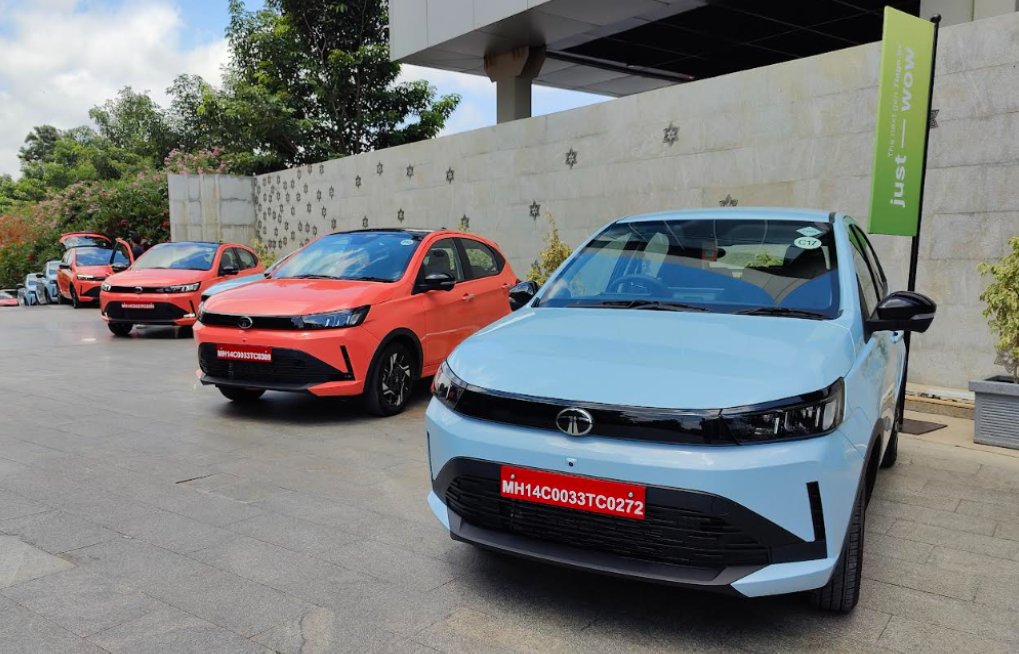
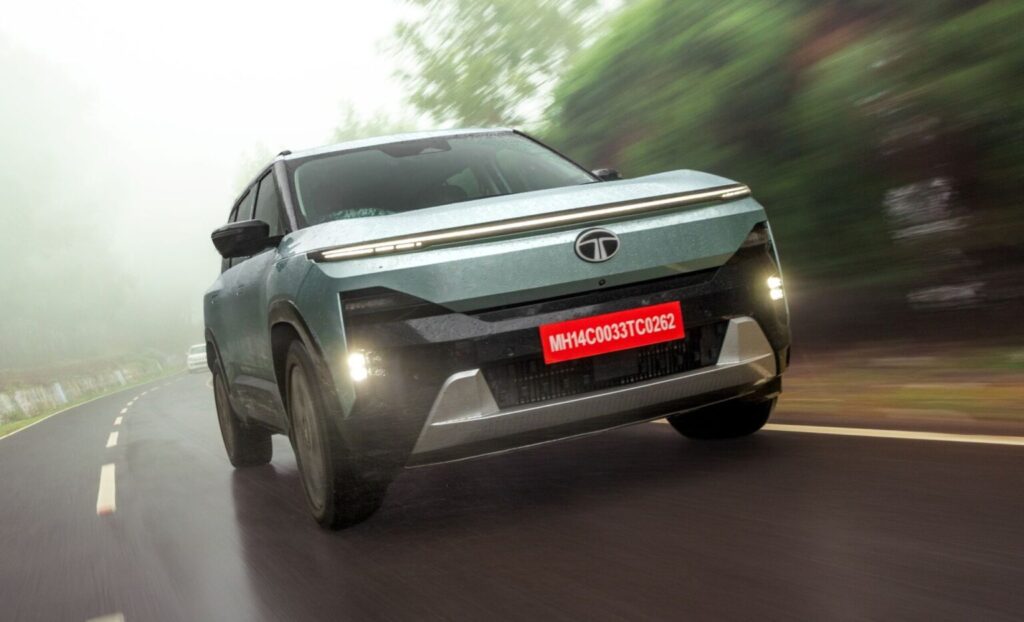
The quarter also saw two important launches: the next-generation Tiago and Tiago.ev, which, according to Mr. Chandra, bring a big leap in design, technology, and value to the hatchback segment, and the all-new Sierra.ev, a modern reinterpretation of Tata’s iconic Sierra nameplate.
Sierra, Tiago, Punch: Demand Strong, Supply Constrained
On why Sierra hasn’t lived up to expectations despite strong demand, Mr. Chandra reiterated that the issue lies in casting supply constraints, which are being progressively resolved through recasting dies and new moulding lines, with a major capacity improvement expected in October.
Meanwhile, Punch continues to be one of the top-selling products in the market, with EV waiting periods extending beyond eight months, while the recently launched Tiago has faced supply constraints due to shared production capacity with Sierra at the Sanand plant, an issue being addressed through newly ordered and installed presses. While he did not disclose exact order book figures, he mentioned that a four-to-six-week waiting period across its portfolio as a rough indicator of demand.
Looking further out, at its investor day in June, the vehicle maker laid out an ambitious five-year plan: nearly double its sales volumes, capture 20% market share, and deliver double-digit profit margins, all while generating strong cash flow. Capex plans remain unchanged despite margin pressure, with the company maintaining its guidance of spending 6-8% of revenue on new products, technologies, and capacity expansion.
JLR: A Tougher Quarter
Now, the other half of the story — Jaguar Land Rover (JLR), Tata’s luxury arm, which had a tougher quarter. Revenue grew a modest 9.3% to £6.0 billion, but profitability slipped due to a 9.2% drop in vehicle sales. This was caused by a mix of temporary supply disruptions, and “a fire at a chassis component supplier early in the quarter knocked out production of Range Rover and Range Rover Sport for several days. We weren’t fully able to recover those volumes during the quarter, said Mr. Richard Molyneux, Chief Financial Officer of JLR.
On top of lower volumes, JLR also had to spend more on variable marketing expenses, which further pressured profits, though some of this was cushioned by lower structural costs elsewhere in the business, said Mr. Molyneux noted.
Overall PV Business
Put together, the TMPV’s overall passenger vehicle business, domestic and JLR combined, saw consolidated profit fall sharply to a pre-tax profit of ₹1,600 crore and a net profit of ₹900 crore, down from ₹4,000 crore a year earlier. While India margins held largely flat, they could have improved further if not for the sharp commodity cost increase, which is being passed on to customers only gradually.
On the JLR side, supply constraints and rising variable marketing expenses weighed on profitability, with continued focus on cost reduction and volume growth through new launches. Free cash flow turned negative at ₹11,800 crore, largely due to seasonal working capital needs, pushing up the company’s net debt to ₹42,200 crore.
Outlook
According to Mr. Chandra, the industry growth is expected to moderate from around 24% in Q1 to a mid-teens range in Q2, with a higher base effect likely to soften growth further in the second half. Even so, full-year industry growth is expected to safely cross 10%, aided by lower inventory levels compared to last year. Tata Motors expects to continue outperforming the industry, having grown at roughly twice the industry rate in Q1. The company plans to sustain its market share gains through timely product refreshes, leadership in high-growth segments like EVs and CNG, and new nameplates across both ICE and EV portfolios.
Looking ahead, the compay flagged a few things to watch such as the global geopolitical developments and shifting trends in the luxury car segment – remain key uncertainties for JLR. On a brighter note, JLR is gearing up for an exciting phase as it expands into electric vehicles, with four new BEV models expected to launch in the coming months.
Back home, while raw material costs are expected to stay high, demand remains healthy, and EV adoption continues to rise. Going forward, the company will focus on growing revenue while staying disciplined on costs and making careful pricing decisions, Mr. Chandra concuded.