
Regulation is coming, the product is proven, and the market already trusts the brand; for Telma, the timing could not be better.
India’s commercial vehicle industry is heading toward a significant safety regulation. From January 2027, all new vehicles must comply with Type 2A (endurance -deceleration/downhill braking performance test) brake regulations, which mandate the use of retarders. By October 2027, the requirement extends to all tourist buses and vehicles carrying hazardous goods. For Telma, the world’s number one electromagnetic retarder manufacturer, this is a moment it has been preparing for.
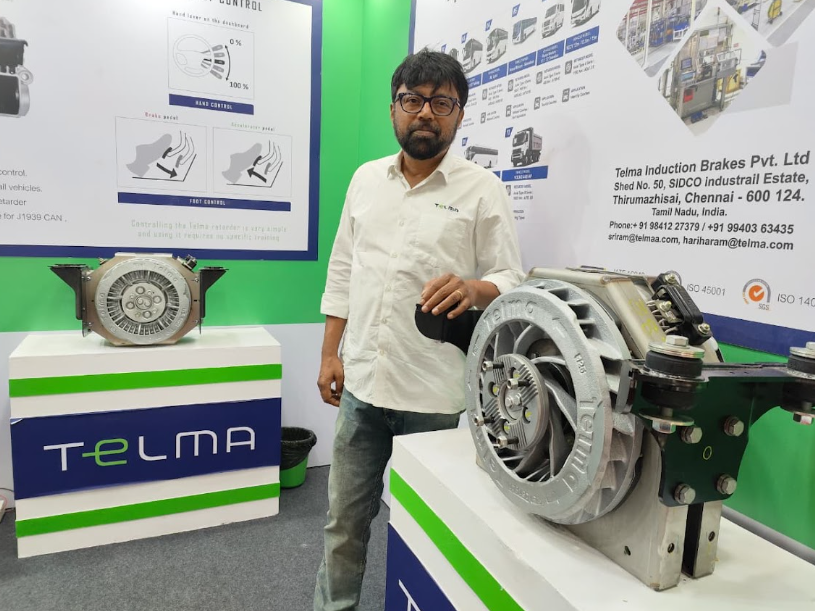
Mr. Sriram M, Director General, of India operations
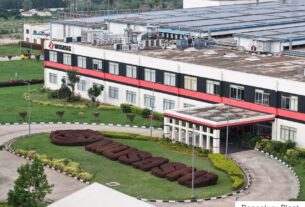
Telma Induction Brakes Pvt Ltd, the wholly-owned subsidiary of the French company Telma, already has a strong foothold in India. BharatBenz fits its retarders as standard on its buses. That relationship alone accounts for around 2,500 units a year, and India’s total annual volume has just crossed 5,000 units. Globally, Telma produces between 15,000 and 20,000 retarders a year, making the India operation a growing but significant part of the business, said, Mr. Sriram M, Director General, of India operations.
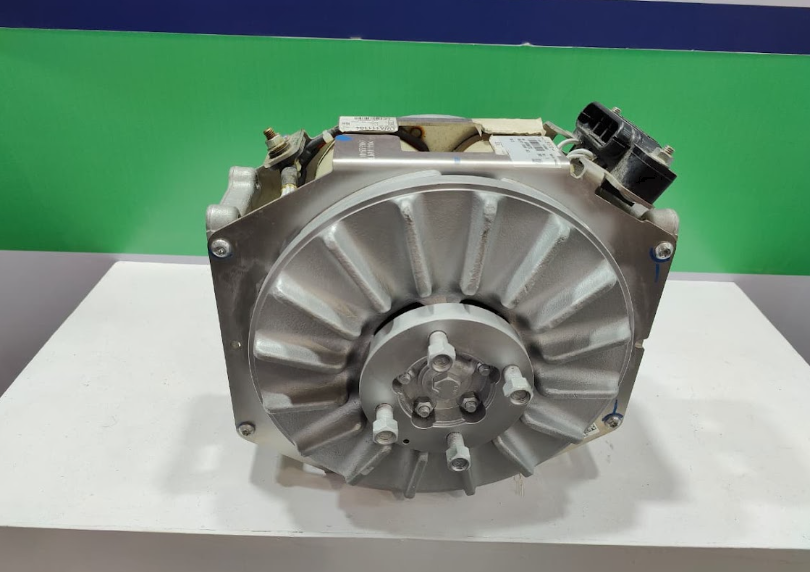
So what exactly does a retarder do, and why does it matter? A retarder is a braking assistance device fitted between the gearbox and the rear axle. When the driver applies the brakes, the retarder absorbs much of the braking energy electromagnetically, reducing the heat and wear on the conventional brake linings and tyres. The result is significantly longer component life, lower operating costs, and — most importantly — safer braking, particularly on steep gradients and in stop-and-go traffic.
The numbers from real-world operation are striking. “On the Kalpetta to Sultan Bathery route in Wayanad — a 27-kilometre stretch with steep gradients where a buses and trucks stop not less than 60 times in under 45 minutes — operators were changing brake linings every 24 days without a retarder. With Telma fitted, brake lining life improved 13 times, from roughly 10,000 kilometres to 1,30,000 kilometres. At ₹10,000 per brake lining change, that is a saving of ₹1,30,000 on linings alone. Add tyre life improvement of around 30%, and operators in this application recover their investment in as little as one and a half years,” Mr. Sriram explained.
For intercity buses running around four lakh kilometres over two years, the savings are equally compelling. Without a retarder, brake linings are changed every 50,000 kilometres — roughly seven times over two years at around ₹20,000 each, plus vehicle downtime. With Telma, that interval stretches to 3,50,000 kilometres. Tyre life improves too, with operators saving the equivalent of one and a half sets of tyres over the same period. In most intercity applications, Telma pays for itself within two years, he highlighted.
Safety
Beyond economics, there is a safety dimension that is becoming increasingly important. Braking with a Telma retarder is linear — the system responds progressively and predictably, eliminating the risk of wheel slip on gradients. Drivers on long downhill stretches can engage a hand lever to maintain controlled descent without pressing the brake pedal at all, reducing driver fatigue significantly.
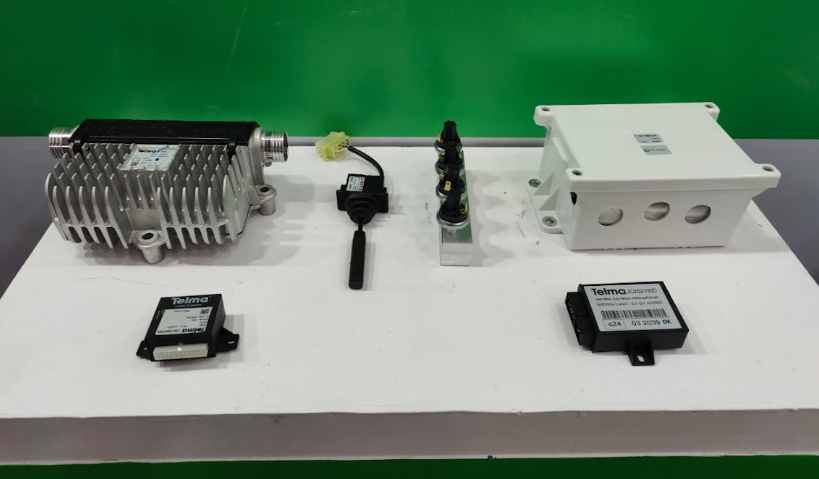
The company’s product range covers retarders from 400 Nm to 4,200 Nm of braking torque. For Indian applications, a 600 Nm unit suits 10-metre buses, a 900 Nm unit works for 11-metre buses, and the 1,550 Nm unit is the standard choice for 12-metre buses and above. The company has even fitted retarders on Tempo Travellers used on pilgrim routes in Kerala, where passengers notice an immediate difference in braking smoothness on mountain roads.
Telma is also moving into tippers and mining vehicles, where tyre wear and driver safety on downhill hauls are critical concerns. Retrofitting is already underway on Volvo tippers in Odisha, with Telma managing the installation at the customer’s location using standard drawings and procedures.
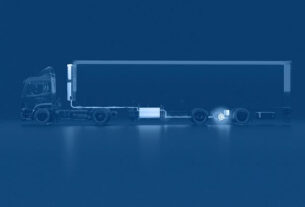
Looking ahead, Telma is addressing the EV challenge too. Electric buses use regenerative braking from the motor, but questions remain about whether that alone meets Type 2A regulation requirements. Telma has developed a hybrid induction brake — a device that functions simultaneously as a retarder, a motor, and a regenerative braking unit, capable of generating up to 20 kilowatts of power. This opens up applications beyond buses and regular trucks, including refrigerated trucks and concrete mixers — where it could eliminate the need for a separate slave engine, Mr. Sriram added.