
ZF CV Solutions division has set its sights on €9 billion in revenue within the next three to four years, against €7.8 billion in 2025, and its plan rests on two things: strong new business wins and a growing shift to electrification.
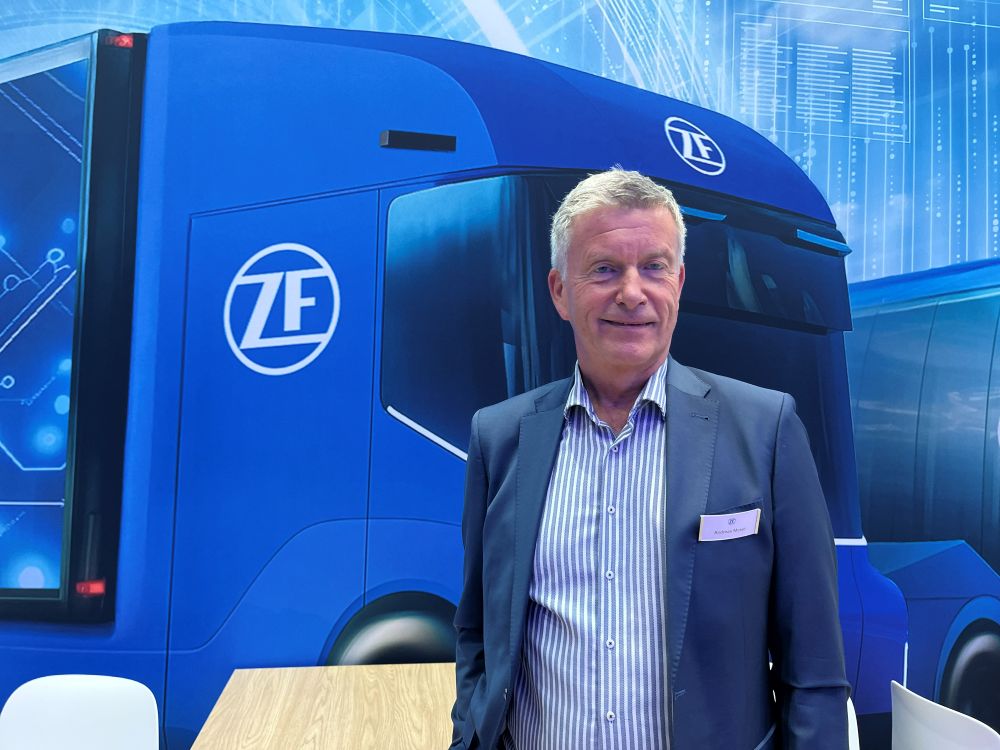
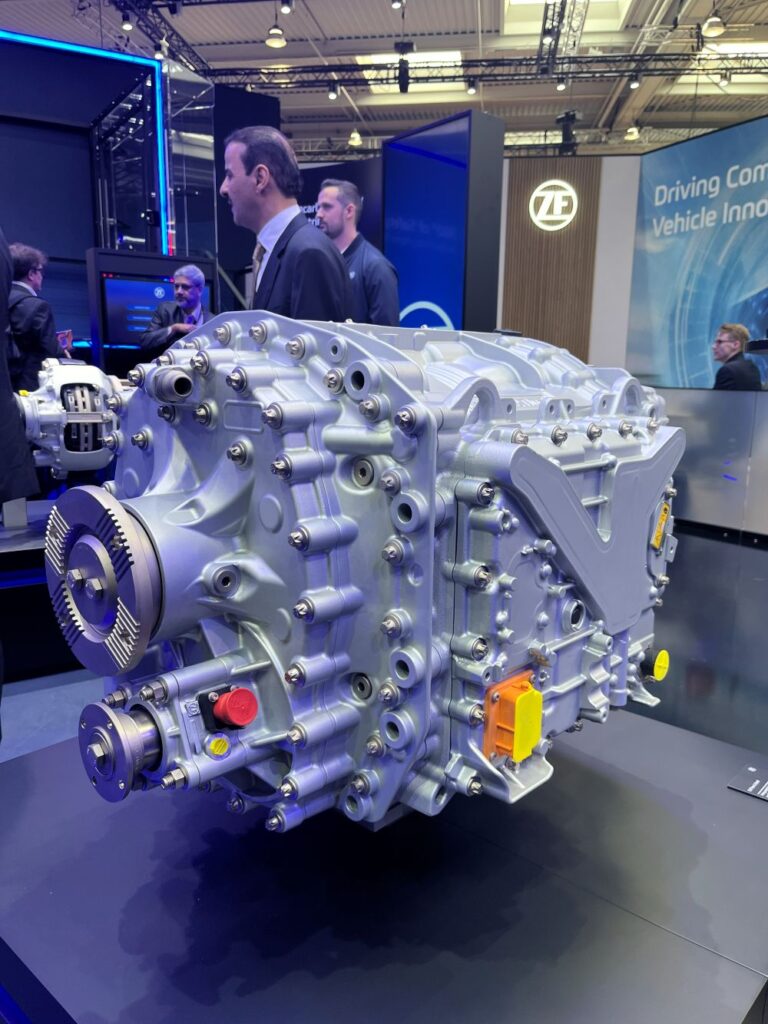
Speaking to this publication at IAA Transportation 2026, Mr. Andreas Moser, Member of the Board of Management, ZF Friedrichshafen AG, explained why electrification matters so much. An electric axle replaces the transmission, the axle and the combustion engine all at once. That means ZF supplies far more of the vehicle, and its turnover grows with it.
India is a big part of the story. ZF’s strategy is to grow where the market is, and Mr. Moser sees India as a fast-rising market where the company already has an “extremely good footprint,” with several plants and a large base of engineers. Today, ZF’s content per vehicle in India is around €500. With demand growing for automated transmissions and electrified solutions, he believes that figure can rise easily.
Around the world, the picture is mixed. China’s domestic market is flat, but Chinese companies are exporting successfully to western markets, and their focus on the West is clear at the show. Europe remains uncertain, while North America has seen some good developments recently, even leading to supply shortages in some areas.
ZF is winning around 90% of the business it bids for. Mr. Moser credited this to staying close to customers. About two-thirds of ZF’s staff work outside Germany, and the company has production facilities across many regions. It also tailors products to each market. In ADAS, for example, ZF offers lower-cost versions specially for India and China, and its global set-up in electrification helps it reach strong volumes.
As trucks become more software-defined, ZF is looking for ways to share common systems, since developing software for automated vehicles is very expensive. India plays a key role here too, serving as an engineering hub for developing individual solutions. ZF spends 16% of its ADAS revenue on R&D, and Mr. Moser called AI a “must have.”
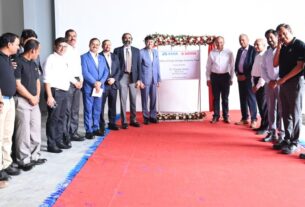
On investment, ZF typically spends around 4–5% on capital investment. It recently began localising electric drive production in China, opening the facility a few months ago. In India, it plans to rearrange some operations, as some modern plants are not yet fully used while older ones would need heavy investment in new IT systems. ZF has also recently opened a facility in Coimbatore for its off-highway business, which Mr. Moser said is doing very well.