
By T Murrali
BorgWarner has showcased its next-generation technologies spanning electric, hybrid and combustion vehicles at IAA Mobility 2025 in Munich. The line-up included range extenders, next-gen inverters, eTurbo and eBooster systems, alongside advanced thermal solutions such as high-voltage heaters, integrated thermal modules, battery and power electronics eCoolers, and high-voltage eFans. The company also highlighted its torque management systems.
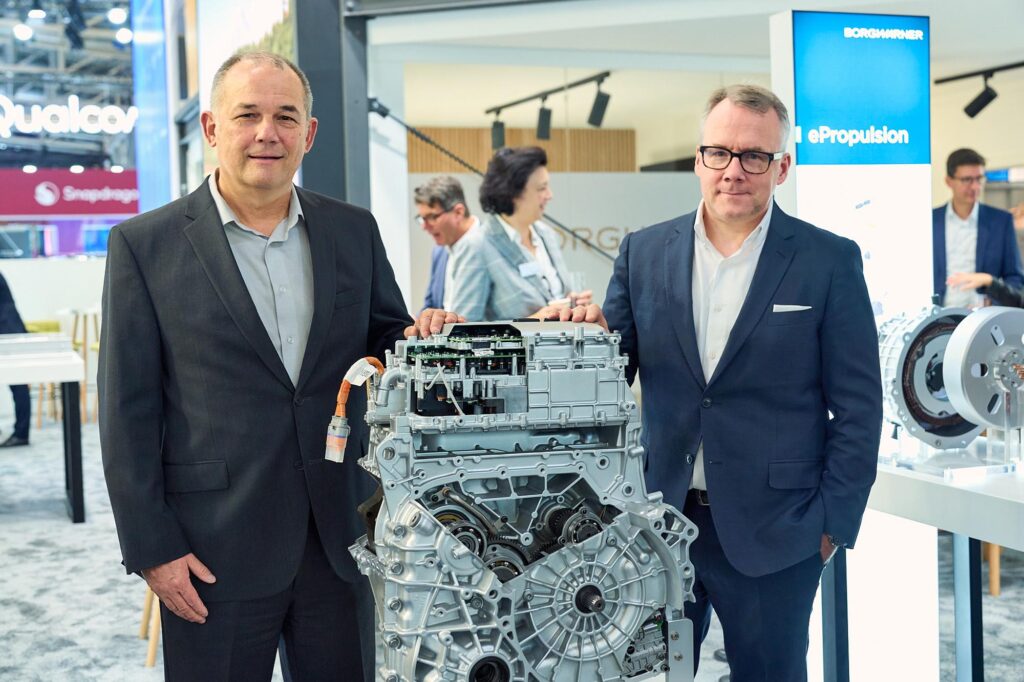
Dr. Paul Farrell, Chief Strategy Officer (right), and Harry Husted, Chief Technology Officer, BorgWarne
During an interaction, Dr. Paul Farrell, Chief Strategy Officer at BorgWarner told this correspondent that over the past decade, the company has steadily built a broad portfolio—starting with combustion engines, moving into hybrids, and now offering a full range of electric vehicles. This strong foundation, he says, is what makes the next phase of growth possible.
The focus now is less on adding more products and more on using this portfolio smartly across markets that are evolving at different speeds. China is racing ahead with electrification, Europe is following a bit more slowly, and North America is moving cautiously. This calls for tailoring solutions to local needs, staying agile, and continuously refining technologies to match each region’s pace.
Range Extender
Range extenders may still be a grey area for much of the automotive world, but the company has already taken the lead. Over the past decade, it has built a complete propulsion portfolio—spanning combustion engines, hybrids, and electric systems—giving it the flexibility to support OEMs wherever demand emerges. This versatility is proving especially useful in markets like China, where range extender technology is gaining ground.
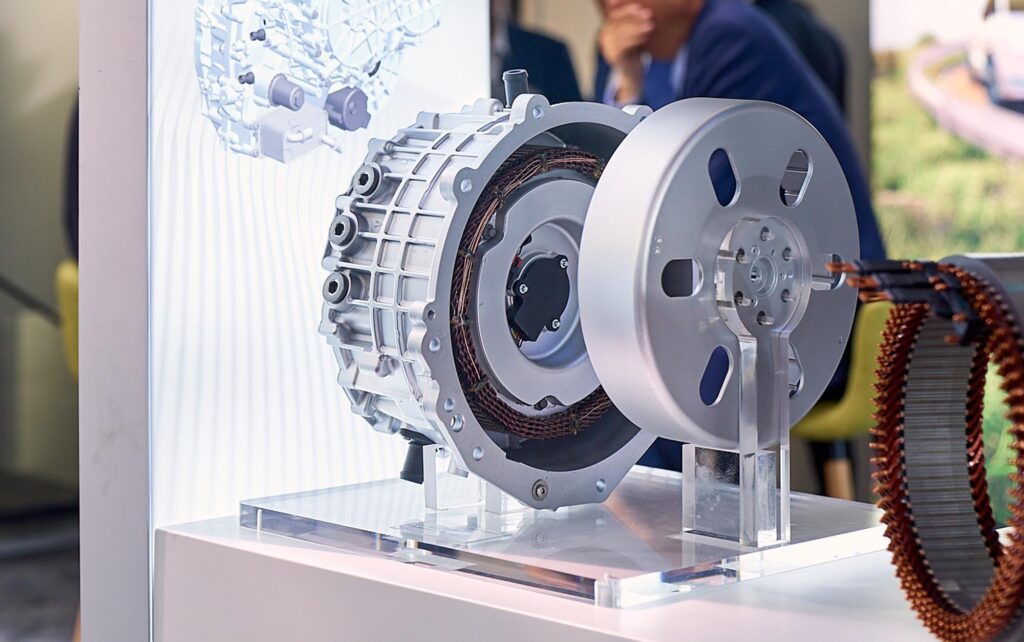
Mr. Harry Husted, the company’s Chief Technology Officer, explains that the toughest part of developing range extenders is achieving the right balance. Alongside the battery, there’s the added weight and space of an engine, fuel tank, and exhaust system—all of which must fit into the tightly packaged layouts of modern vehicles. These trade-offs are ultimately for OEMs to decide, but BorgWarner helps them make the right choices by supplying compact, power-dense components that work even in the smallest spaces. This ability to adapt quickly to different packaging and performance needs, he says, is what keeps the company ahead in a still-emerging segment.
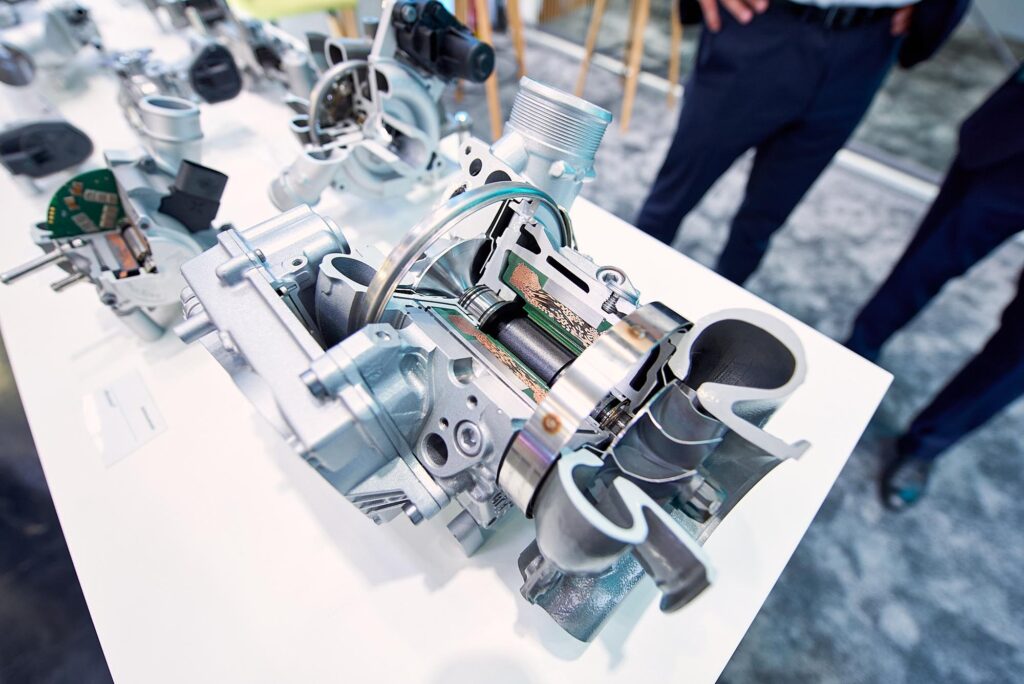
While some industry voices argue that range extenders could fade away as batteries improve and charging networks expand, BorgWarner sees it differently. Husted believes the technology is only just beginning to take off outside China, and will see steady growth before it eventually tapers.
For now, range extenders offer a practical bridge—especially in regions where fast-charging is scarce or unreliable. They also have clear advantages for demanding use cases like towing, where extra power and endurance are critical. “We’re still in the ramp-up phase, not the peak,” Husted notes, signalling that this technology still has a long road ahead.
Mastering Torque Management
Husted explains that torque management is not just about power figures — it’s about making vehicles feel safe, stable, and responsive to the driver. One standout solution is axle disconnect technology. In electric vehicles with a secondary axle, this system can disengage the axle when it isn’t needed, reducing energy losses from the permanent magnet motor and boosting efficiency by around 3–5%, depending on the vehicle and driving conditions.
But efficiency is only half the story. Torque management also enhances traction and stability. Technologies like torque vectoring, which distributes power between wheels for sharper control, and differential locks, which stop wheels from spinning on slippery surfaces, give drivers better grip and confidence. With clear safety and performance benefits at a manageable cost, these features are becoming an appealing choice for many OEMs.
Thermal Edge
Husted calls thermal management one of BorgWarner’s biggest strengths — a field where the company has rapidly reinvented itself for the electric era. At the heart of this effort are its high-voltage coolant heaters: compact, power-dense units that draw heat from the battery pack into the coolant circuit. They can warm the cabin in cold weather or precondition the battery for faster charging, improving both efficiency and comfort. Designed to work with 400-volt and 800-volt systems and power levels from 3 kW to 10 kW, these heaters give OEMs the flexibility they want in a very small footprint.
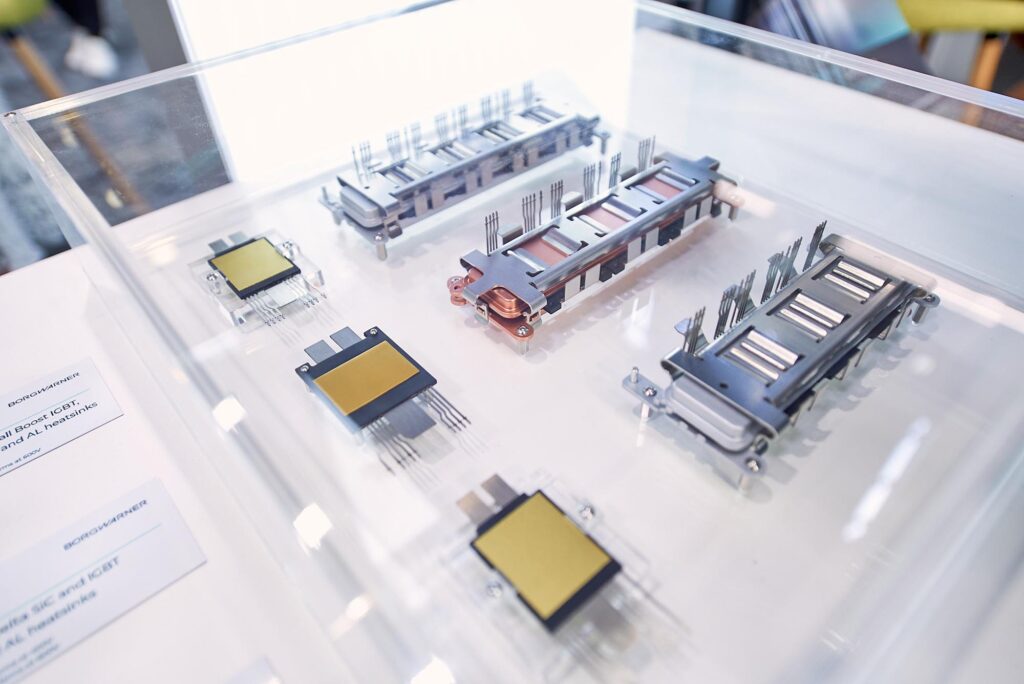
Another standout innovation is the company’s battery e-cooler line. These use cooling plates placed directly against battery cells to regulate temperatures more effectively, ensuring safe and consistent performance. Both products built on BorgWarner’s earlier experience with exhaust gas recirculation (EGR) coolers — proof, says Husted, of how the company has turned combustion-era expertise into EV-ready solutions.
The company is also weaving Artificial Intelligence and Machine Learning into its development process, exploring how embedded machine learning can make products smarter and more predictive. For Husted, this is what makes the work exciting — and challenging. AI keeps evolving, he says, and the goal is to keep up with each breakthrough and put it to use fast.