
As the world celebrates World EV Day 2025, the spotlight is firmly on electric mobility as a catalyst for sustainable growth, cleaner air, and a greener tomorrow. From OEMs and component manufacturers to energy innovators and mobility startups, leaders across the EV ecosystem are uniting behind a common vision — to make electrification not just a technological transition, but a societal transformation. Their messages echo a shared commitment: to accelerate adoption, strengthen ecosystems, and engineer solutions that are better for businesses, people, and the planet.
Mahindra Last Mile Mobility

Ms. Suman Mishra, Managing Director & CEO, Mahindra Last Mile Mobility Ltd., India’s No.1 electric commercial vehicle manufacturer, said, “Affordable and accessible sustainable last mile mobility can help India achieve the twin purposes of economic growth and environmental well-being. At Mahindra Last Mile Mobility Limited, we are proud that our 2.7 lakh plus electric commercial vehicles have clocked 4.5 billion kilometres, preventing more than 185 kilo metric tonnes of CO₂ emissions — an impact equivalent to planting 4.3 million trees. On this World EV Day, we reaffirm our commitment to accelerating India’s last-mile electrification movement, making sustainable mobility both attainable and transformative for all.”
Tata Technologies

Mr. Anish Raghunandan, President & Client Partner – TML Group, Tata Technologies. “The global shift to electric mobility is not just an industry trend, but it is a societal imperative. As nations pursue a greener future and consumers demand sustainable choices, the EV industry stands at a decisive crossroads—where innovation must meet purpose. At Tata Technologies, we’re accelerating this transformation through our deep domain expertise, digital engineering capabilities, and global partnerships with leading OEMs. Our focus goes beyond the vehicle; we’re reimagining the entire value chain, from responsible sourcing to digital compliance and sustainable manufacturing.
The theme for this World EV Day, The Better Manifesto, is a timely call to action. It urges all of us to move from intent to impact—to engineer solutions that are not only better for businesses but better for people and the planet too. Together, we can make electric mobility not just a technological shift, but a symbol of positive change for generations to come.”
Audi India
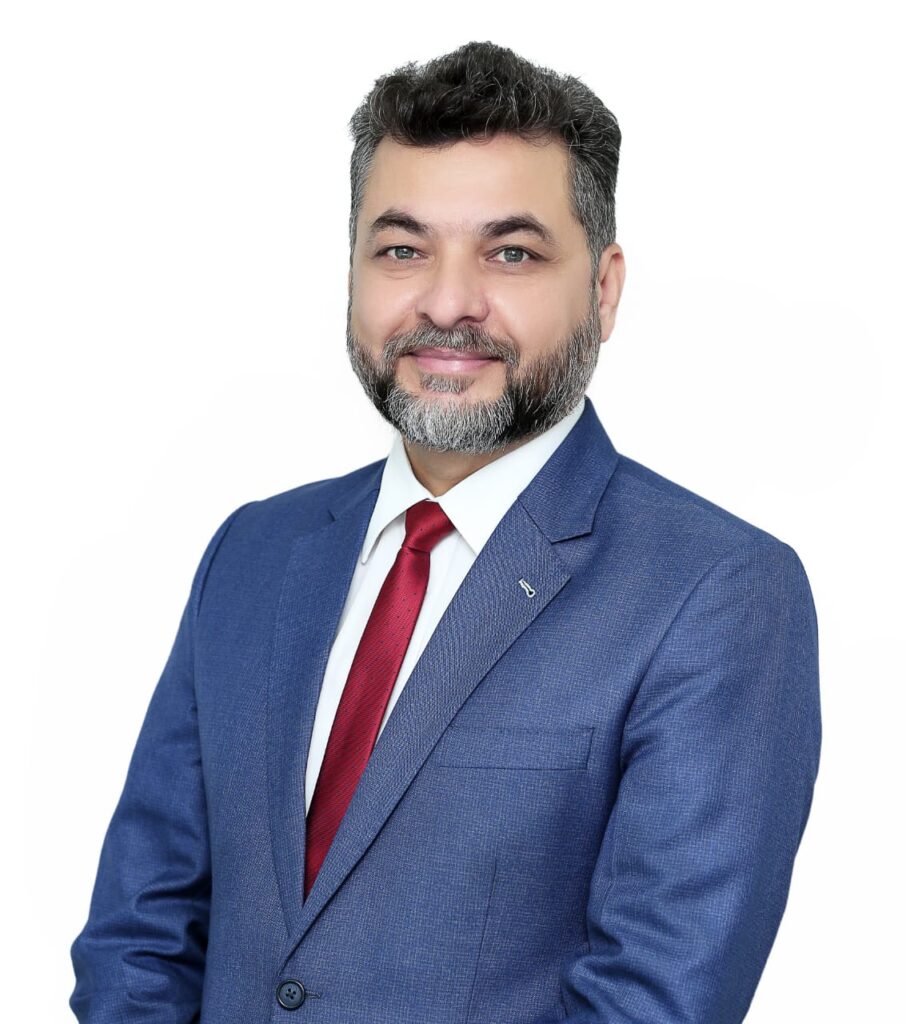
“Electric mobility in India has witnessed steady demand and we believe the next decade will be transformative for the industry as well as for customers. At Audi India, our e-tron range, comprising four electric cars, has been embraced by progressive customers who are looking for sustainable yet uncompromising luxury. To make this transition seamless, our ‘Charge my Audi’ initiative gives access to over 6,500 charging points across the country, offering customers the confidence and convenience they need. We see this as just the beginning. With the right infrastructure, innovation and policy support, India has the potential to emerge as one of the most significant EV markets in the world and we are prepared to contribute to this journey.” – Mr. Balbir Singh Dhillon, Head of Audi India
GreenCell Mobility
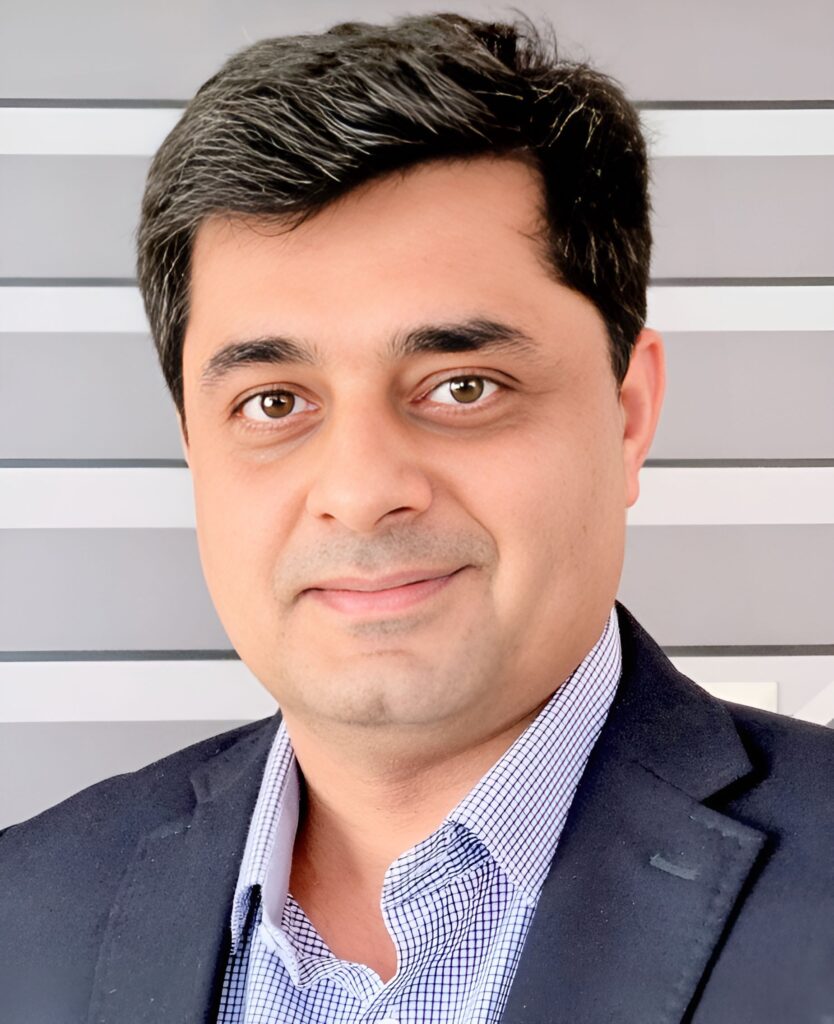
“World EV Day is a celebration of innovation, progress, and collective determination towards a greener tomorrow. The global shift towards electric mobility reflects not just a technological revolution but also a societal commitment to reducing carbon footprints, improving air quality, and creating sustainable cities for generations to come. At GreenCell Mobility, we are proud to be at the forefront of India’s electric bus transformation, enabling clean, safe, and comfortable journeys for millions of passengers. Public transport plays a vital role in the EV ecosystem as it multiplies the impact of decarbonisation, taking more people on fewer vehicles while ensuring equitable access to green mobility. Our brand NueGo, India’s leading electric intercity coach service, is a testimony to this vision—demonstrating that sustainable mobility can also be aspirational, reliable, and inclusive. This day also serves as a reminder of the collaboration required between policymakers, industry leaders, innovators, and communities to accelerate adoption. The EV transition is not a destination but a journey, one that will demand constant learning, adaptability, and innovation. With supportive government policies, rapidly advancing technology, and growing consumer awareness, India is uniquely positioned to leapfrog into an electrified future.
At GreenCell, we believe that the time to act is now. Every kilometre travelled on an EV contributes to cleaner air, reduced oil dependence, and a stronger fight against climate change. On this World EV Day, let us collectively pledge to embrace electric mobility—not just as an alternative, but as the preferred way forward. Together, we can drive meaningful change and shape a sustainable future for our planet.” – Mr. Devndra Chawla, MD & CEO, GreenCell Mobility.
Omega Seiki Mobility

“On this World EV Day, I extend greetings to the business community and startups driving green mobility. Over the past year, India’s EV sector has moved from experimentation to consolidation, with stronger players and sustainable models emerging. It is encouraging to see the BJP-led government and leaders like CM Mohan Yadav of Madhya Pradesh unveiling progressive EV policies, infrastructure incentives, and skill programs to make India a global EV hub. EV three-wheelers, both passenger and cargo, along with new-age electric trucks — especially in the 1-1.5 ton category — will be the real growth drivers of this market, powering clean last-mile and mid-mile logistics. The future of mobility is about building green businesses that deliver value to society, economy, and the planet — and together, we must accelerate this journey towards a cleaner tomorrow.”
Lauritz Knudsen
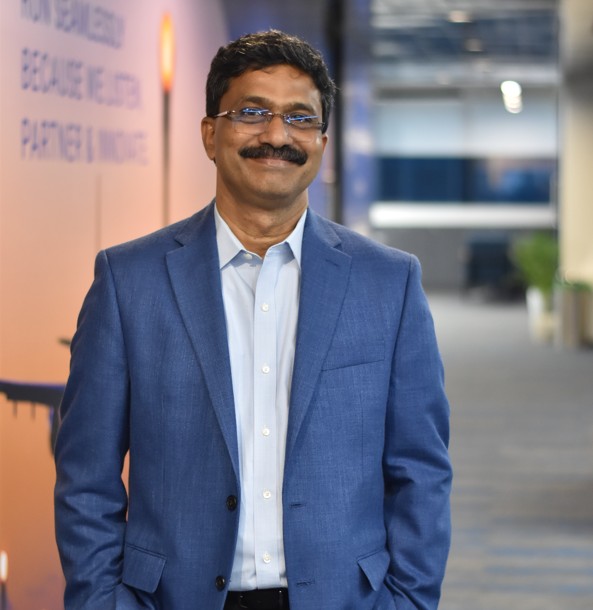
“India’s mobility transformation is entering a decisive phase, with electric vehicles at the forefront of this clean energy transition. At Lauritz Knudsen, we see EVs not just as a greener alternative to conventional transport, but as a powerful driver of systemic change—accelerating climate action, fostering innovation, and advancing a more sustainable, efficient, and inclusive future. The government’s recent decision to maintain GST at 5% on EVs further strengthens this momentum, signalling a clear commitment to clean mobility.
As part of this journey, Lauritz Knudsen is investing in future-ready EV charging infrastructure and smart energy solutions that make adoption more accessible, affordable, and reliable for all. Our focus is on supporting intelligent, scalable charging systems for homes, workplaces, commercial spaces, and public areas—backed by cutting-edge technology and adherence to the highest safety standards.
Our ambition is to forge strong partnerships across the mobility ecosystem, helping reduce barriers and accelerate adoption in line with India’s 2030 clean energy and mobility goals. For us, this is not just about powering vehicles—it is about powering change. Lauritz Knudsen believes in powering a non-stop India—by being future-ready, building inclusive innovation, and enabling every journey that can take us closer to a greener, smarter New India.” – Mr. Naresh Kumar, COO, Lauritz Knudsen
zingbus
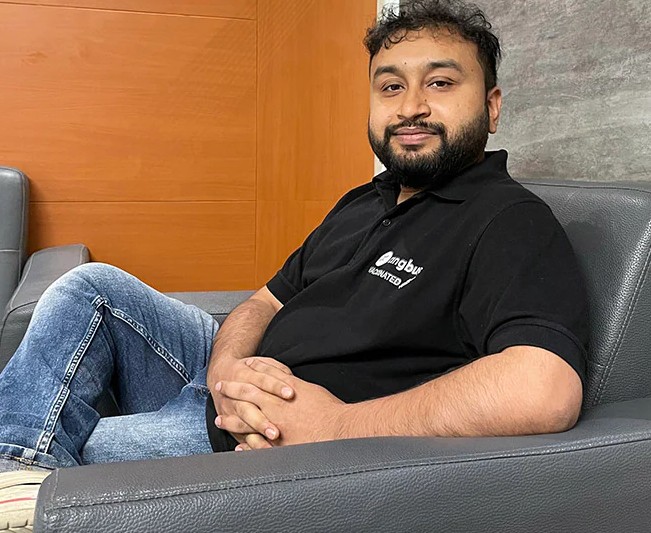
“EV adoption is not just about going green, it’s about building a sustainable future for both operators and passengers. By integrating electric buses into key routes, we can deliver cleaner, more efficient mobility solutions, reducing CO2 emissions, and improving the travel experience with comfort and reliability. This transition empowers operators with the right tools and support to thrive, while also contributing to India’s long-term sustainability goals. The shift towards electric mobility is socially, economically, and environmentally impactful, driving a positive transformation in the transportation landscape – one that supports communities and policy targets for a greener, healthier tomorrow. At zingbus, we are aligned with this vision and have already begun exploring EV adoption to contribute meaningfully to this transition.” – Mr Prashant Kumar, Co-founder of zingbus
Himadri Speciality Chemical Ltd

The global electric vehicle (EV) market is accelerating at an unprecedented pace, reshaping the future of mobility and energy across the world. This momentum continues in 2025, with sales projected to surpass past global records and this growth is driven by supportive policies, improved technology, and expanding
consumer demand. For Himadri Speciality Chemical Ltd, these robust global dynamics represent an extraordinary growth opportunity. As a pioneer in the manufacturing of lithium-ion battery components, especially in LFP cathode active materials and advanced silicon carbon anode technology, Himadri is strategically positioned to supply the materials essential for powering this EV revolution. Our investment in setting up the world’s first commercial LFP cathode active materials plant outside China and partnerships with global innovators like Sicona Battery Technologies (Australia) and Internal Battery Company (USA) reflects our readiness to meet growing demand for next-gen sustainable battery solutions.
India is uniquely poised to become a credible anchor in the global electric vehicle revolution. With EV penetration on the rise and strong government initiatives driving adoption and manufacturing, the country is set to transition from being primarily a consumer of electric vehicles domestically to a key contributor in the global EV ecosystem. This transformation demands foresight to invest not only in current technologies but also in the innovative solutions that will define the vehicles of tomorrow. Himadri’s capabilities in manufacturing battery materials support this journey, enabling India to build a self-reliant EV supply chain that strengthens energy security and drives industrial growth. By fostering domestic production, we are reducing import dependence, creating employment, and stimulating technological innovation. Additionally, our research work in the areas of developing battery recycling technologies aligns with India’s sustainability goals, promoting a circular future. As EV adoption accelerates worldwide, Himadri Speciality Chemical Ltd remains committed to being a key enabler of this sustainable mobility future- harnessing innovation to power India and the world toward a greener tomorrow. – Mr. Anurag Choudhary, CMD & CEO- Himadri Speciality Chemical Ltd
Raptee
“My journey in this industry has given me a front-row seat to the EV transformation, and the progress we’ve seen in the last year has been remarkable. What excites me most is that this growth is not the result of one stakeholder alone but a collective push from every corner of the ecosystem.
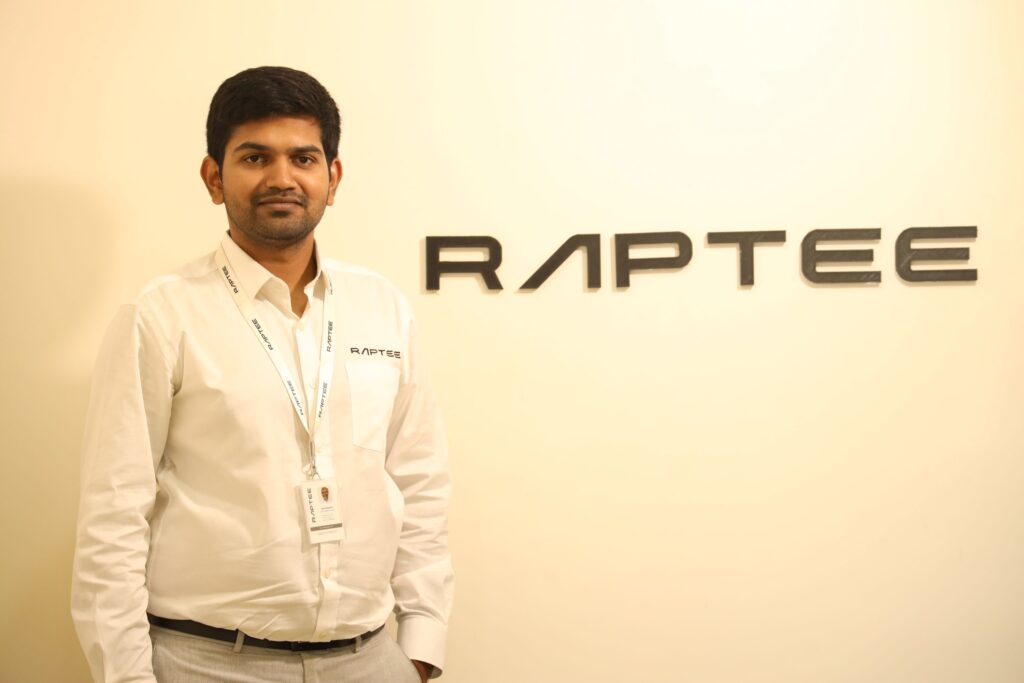
Every player, established or emerging, is contributing by pushing technology and innovation forward. The government, on its part, has remained supportive through progressive taxation and policy measures that continue to encourage adoption. We have also witnessed global players making bold moves—BYD achieving sales milestones, and new entrants like VinFast and Tesla introducing fresh products tailored for the Indian market.
On the infrastructure front, charging networks are consistently expanding, thanks to the combined efforts of government initiatives, legacy OEMs, and Charge Point Operators (CPOs). This united effort is steadily breaking down barriers to entry for customers and making EV adoption more seamless than ever before.
With all hands working towards a common goal, I believe we are on a growth trajectory that looks more positive than ever. The EV industry is no longer about the future, it is about the present.” – Dinesh Arjun, CEO & Co-founder, Raptee
Volks Energie

What started as a symbolic initiative 5 years back, today has turned into a global movement as the world today collectively and rapidly moves toward large-scale adoption of clean mobility and sustainable energy. This adoption reflects not only a technological change and preference, but also a shift in the societal expectations from the automotive and renewable industries overall. Consumers today demand cleaner and more resilient energy systems. At Volks Energie we recognise the evolution in energy storage and the Battery Energy Storage Systems (BESS) as one of the most critical drivers of this change.
One of the biggest roadblocks to the mass adoption of EVs was the lingering fear regarding battery efficiencies and the associated ecosystem, for which our core focus has always been to ensure that no unit of generated renewable power goes wasted and is stored and deployed in the most efficient manner to power not just EVs but the whole sustainable lifestyle. With India rapidly scaling and powering towards its push to become a global energy leader, we remain committed to deliver solutions that make EV adoption viable and responsible. The future of mobility is truly electric and energy storage remains the key to deliver that future. – Piyush Goyal Co-Founder & CEO, Volks Energie.