
Built on real customer insights and a future-ready platform, the new 7-seater brings together heritage and innovation to create something rare—an electric SUV that feels personal, capable, and truly welcoming.
By T. Murrali
When Mahindra launched its Electric Origin SUVs — the XEV 9e and BE6 — in November 2024, it wasn’t just introducing two new electric cars. It was starting a shift in how India thinks about electric mobility. What began with a splash that generated over four billion impressions has grown into a movement, drawing buyers from several segments, rallying around a Made-in-India EV that looks global and feels world-class.
In just one year, these electric origin SUVs have turned EV ownership into something aspirational. Owners aren’t treating them as weekend toys — more than 65% use them every single day.
Mr. Rajesh Jejurikar, Executive Director and CEO of Mahindra & Mahindra Ltd, said, over a thousand cars have crossed the 20,000 km mark within months, and some have gone past 50,000 km in barely seven months. Nearly 60% consistently deliver over 500 km of real-world city range, proving their reliability in every climate imaginable — from sub-zero Leh to the 53°C heat of the Thar desert. These aren’t “city EVs” anymore. About 30% of owners have completed 400 km day trips, and others have travelled across ten states in a single journey.
The sales story is equally striking. Mahindra has sold over 30,000 these SUVs in just seven months — about one every ten minutes. And the most interesting part: nearly 80% of these customers are new to the brand, signalling Mahindra’s entry into a more premium, tech-forward audience, he narrated.

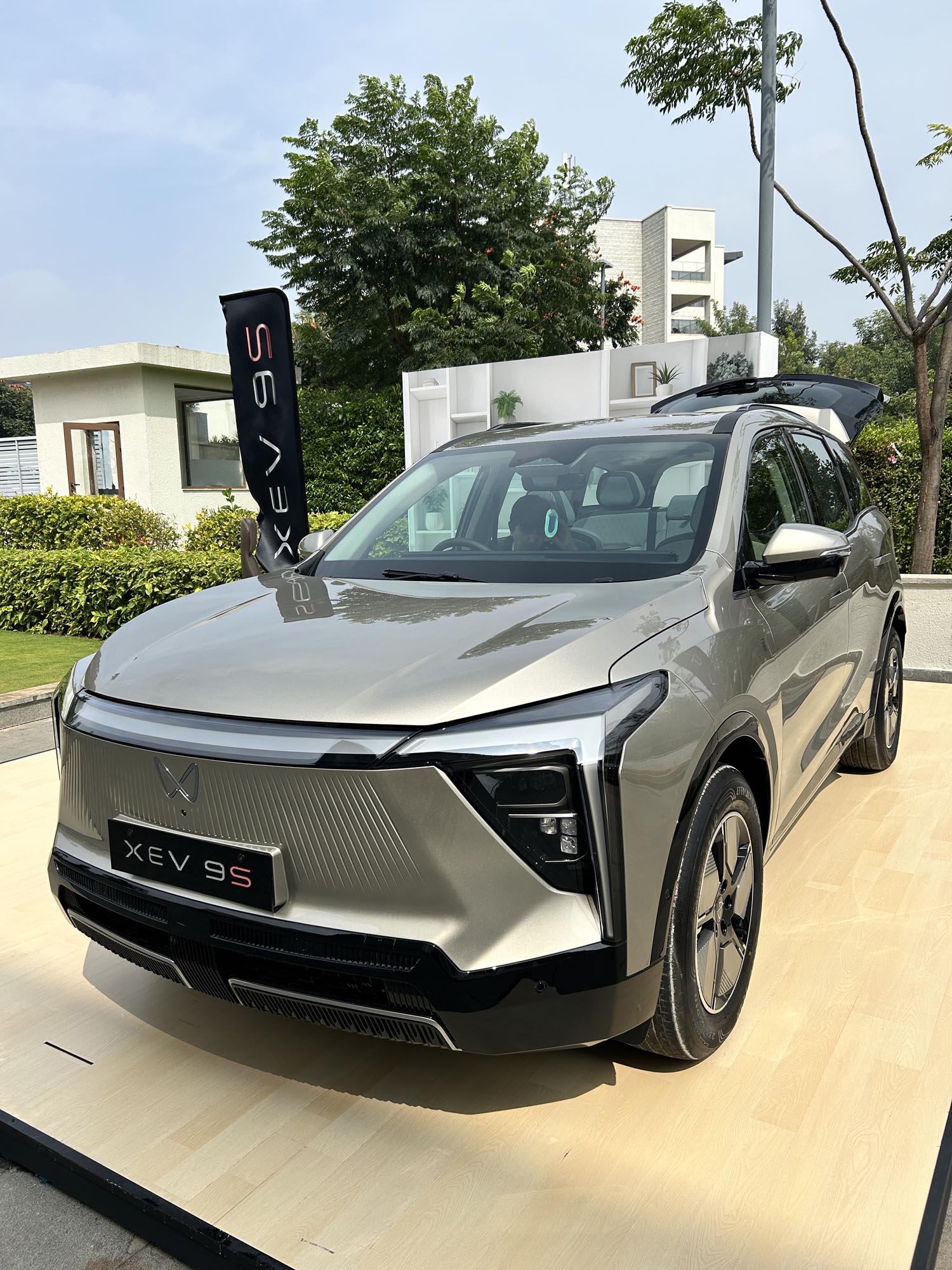
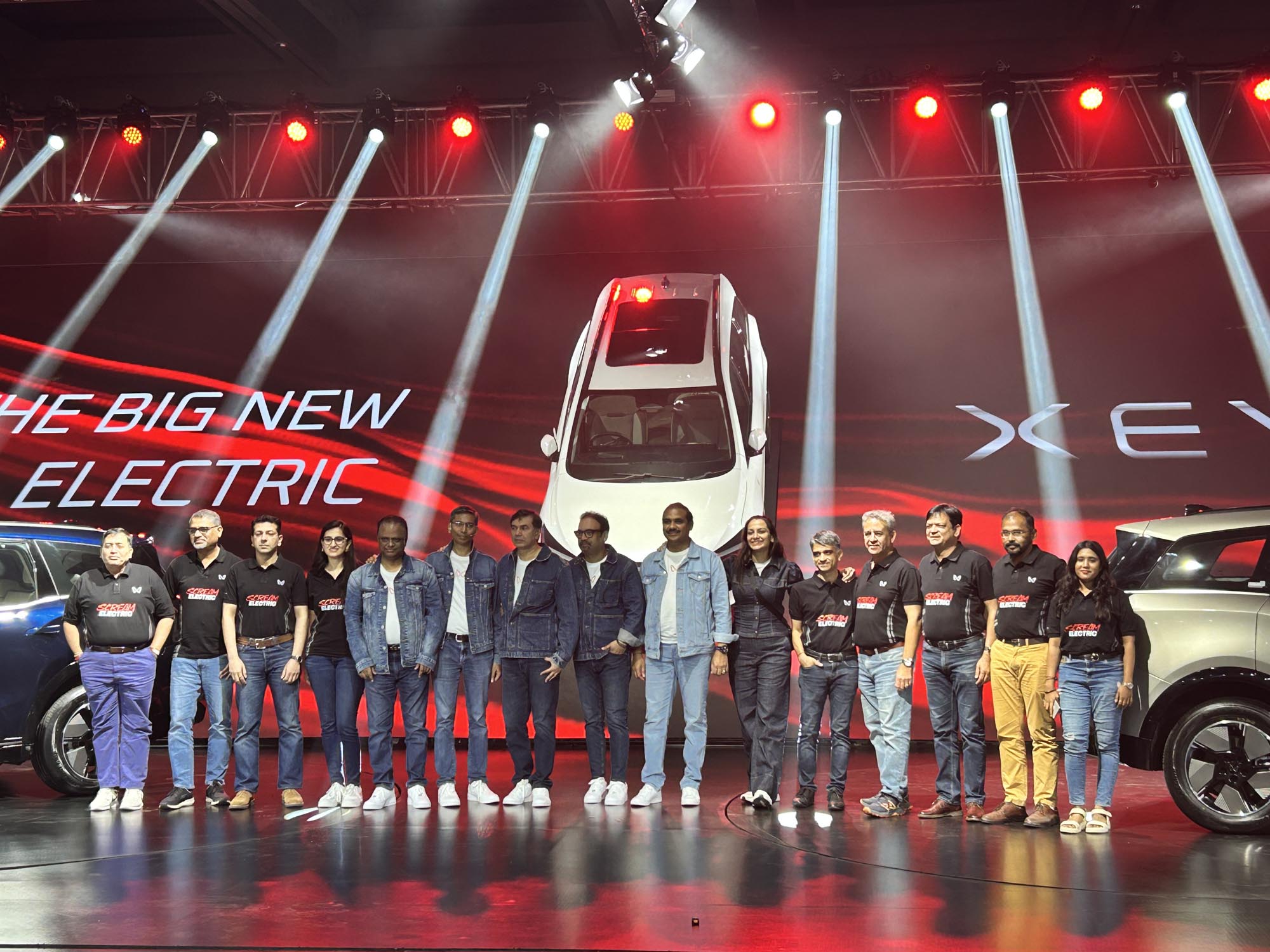
Building on this momentum, the vehicle maker has now introduced the XEV 9S — India’s first true electric-origin 7-seater SUV, built entirely on the INGLO architecture. Its launch on 27 November in Bengaluru marks a significant shift in the company’s identity. The OEM is moving confidently beyond its traditional mass-market image into a space where it can serve both value-conscious buyers and premium urban customers, with equal strength. While iconic models like the Bolero continue to anchor rural markets, new EVs like the XEV 9S are shaping a fresh design and technology-led future for the brand.
A Portfolio Built to Win
Mahindra’s latest strategy is shaped around a simple but powerful idea: offer the right SUV for every type of customer without compromising on features or value. Instead of focusing only on the premium end, the company is building a wide portfolio that covers the full span of the country’s most active SUV segments. The goal is clear—meet buyers where they are, then surprise them with more than they expect.
Mr. Nalinikanth Gollagunta, CEO – Automotive Division, Mahindra & Mahindra Ltd. and Executive Director, Mahindra Electric Automobile Ltd., explains that the company is zeroing in on the biggest slice of the utility vehicle market: SUVs longer than four metres and priced above ₹20 lakh, a space that sells nearly 70,000 units every month. Within this zone, demand naturally breaks into three groups—those buying between ₹20–24 lakh, those upgrading to ₹24–28 lakh, and a fast-growing premium set spending above ₹28 lakh. The OEM’s plan is to play strongly in all three, he said.

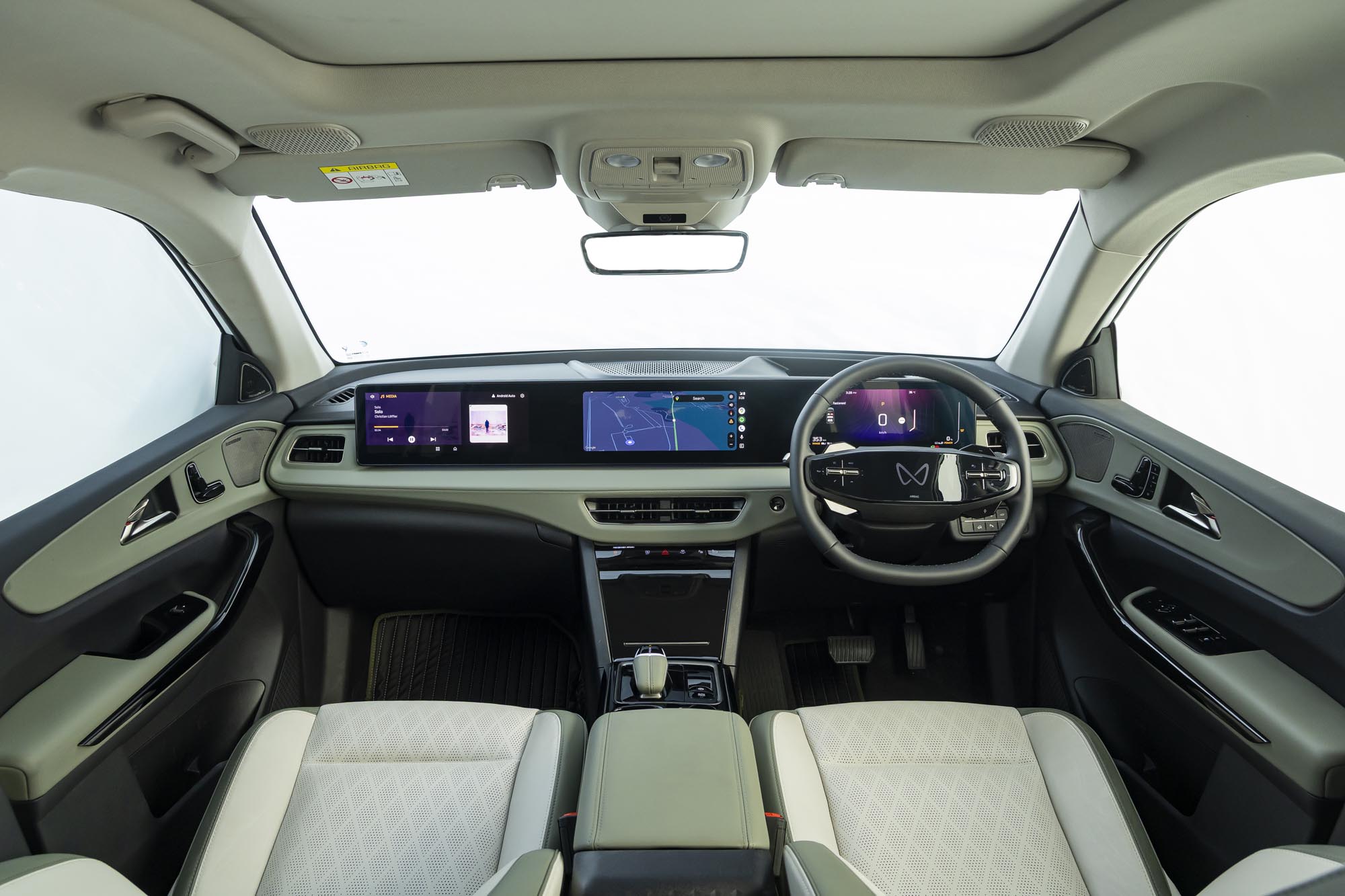
What makes this approach stand out is how feature-rich even the starting variant is. “A panoramic sunroof, three 12.3-inch screens with an option for more in the second row, a true seven-seat layout, extra-large front storage, high torque, and 180 kW fast charging on select batteries—all appear right from the base model. These are features typically reserved for the top trims of rival SUVs, but Mahindra has made them the foundation for the entire lineup,” Mr. Gollagunta said.
To match the needs of each price band, the XEV 9S comes in four distinct packs. Pack One, targeted at the ₹20–24 lakh bracket, delivers value with its generous feature list and larger battery than typical competitors. Pack Two, designed for the ₹24–28 lakh buyers, adds luxury and tech—ventilated seats, a premium Harman Kardon audio system, alloy wheels, and a Level-2 ADAS suite, along with a new 70 kW battery option.
Pack Three steps up to a more chauffeur-focused experience, aimed at customers looking for comfort over performance. It includes second-row ventilated seats, Boss mode, adaptive suspension, ambient lighting, and enhanced air purification, along with an expanded ADAS system with five radars. At the top sits Pack Three Above, which brings auto parking, a 360-degree camera, AR-based head-up display, haptic controls, and a cutting-edge Snapdragon 8295 processor. All of this is offered at ₹29.45 lakh, carefully positioned just below the ₹30 lakh psychological threshold.
A New Design Story Built on Emotion
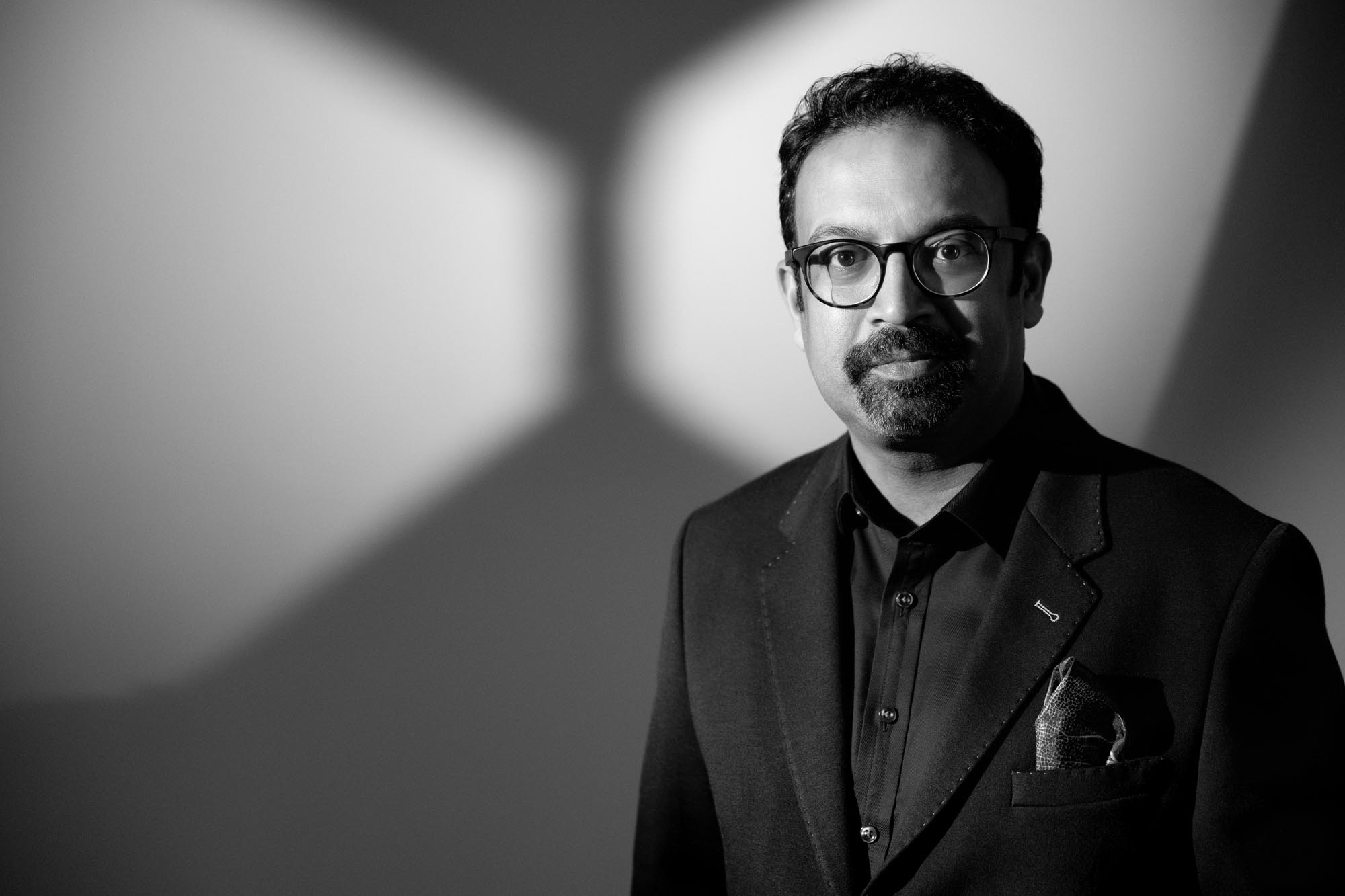
The XEV 9S comes from a design approach that treats vehicles as emotional experiences rather than just machines. As Mr. Pratap Bose, Chief Design & Creative Officer – Auto & Farm Sectors, Mahindra & Mahindra Ltd., explains, the team started with a simple belief: a “great SUV should stir something in you the moment you see it, stand out instantly on the road, and feel meaningful the moment you sit inside.”
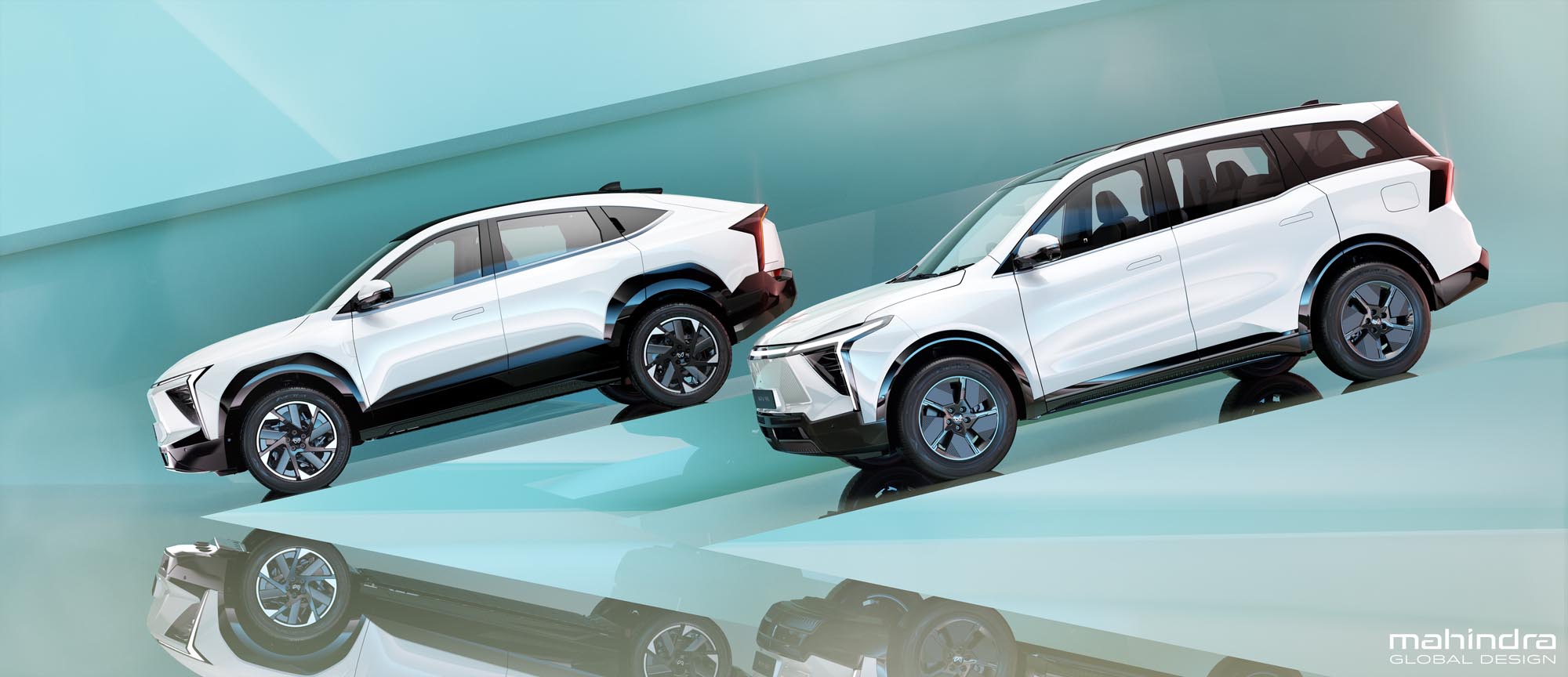
The 9E and 9S bring this idea to life. The 9E’s fastback-like profile and striking tail-lamp signature have already made it easy to recognise from a distance. “The 9S builds on that heritage—its rear design carries such strong family DNA that most people identify it as a Mahindra even before seeing the badge. Though both SUVs have their own personalities, they are crafted as complementary siblings, united by the same design spirit,” Mr. Bose stated.
At the heart of the design method lies a framework called the “9S”—nine principles that blend creativity with engineering. These include everything from the SUV’s silhouette and stance to the way materials feel, the flow of surfaces, and the careful use of advanced tech. “No matter how complex the development becomes, every vehicle still begins with a hand-drawn sketch—an artistic spark that shapes everything that follows,” he said.
For the 9S, the designers wanted a silhouette that looked athletic and energetic. The stance had to project confidence, while the surfaces were sculpted to appear clean and continuous. Small details were refined again and again—treated like tiny pieces of jewellery that make the whole design shine.
Inside, the story shifts to space, comfort, and emotion. The cabin aims to feel large and welcoming, offering clear outward visibility, generous seating room, and materials chosen for both beauty and warmth. Technology is added carefully to enhance the experience without overwhelming it, giving the cabin a sense of modern sophistication. Even the third row is designed as a genuine seating area, comfortable enough for long drives. Light plays a big role, with a wide glass roof and large windows creating a bright, uplifting environment. He noted that colours and materials are selected with the same attention a fashion designer gives to fabric.

and MD, Mahindra Electric Automobile
Design at Mahindra is also deeply collaborative. Teams in India and the UK work closely together, shaping ideas that are respected globally. Every component, down to the stitching of the seats, is refined through digital modelling and constant dialogue with suppliers to ensure the production vehicle stays faithful to the original sketch.
Bringing Sketches to Life
At Mahindra Research Valley, designers and engineers worked together to turn bold sketches into an SUV that is not only striking to look at but also practical, refined, and deeply human.
According to Mr. R. Velusamy, President – Automotive Business, Mahindra & Mahindra Ltd. and Managing Director, Mahindra Electric Automobile Ltd., this shift in thinking came from one powerful insight: people were no longer choosing EVs for online attention. They were choosing them because “they wanted a machine that mirrored who they were—how they lived, what they aspired to, and how they wished to be seen,” he said. This move became the foundation of Mahindra’s EV philosophy.
As teams studied customer behaviour, a clear pattern emerged: in India, an SUV represents far more than just design. It signals confidence, togetherness, freedom, and the comfort of knowing that the vehicle can handle anything life brings. With these insights in mind, the vehicle maker built its new seven-seater electric SUV on the INGLO platform—an architecture created to meet modern expectations while staying rooted in Indian realities.
This approach has resulted in a vehicle designed for large families and real journeys. The cabin feels open and uncluttered, the flat floor improves comfort, and the low centre of gravity makes the ride smoother and more stable. The quiet EV drivetrain lets passengers enjoy a calm, peaceful space. Practical anxieties are addressed too: the SUV offers a range of more than 500 km, can fast-charge in just 20 minutes, and is supported by a growing network of 180 high-speed chargers.
Inclusivity sits at the heart of the SUV’s character. Every row has been considered—children get screens and charging access, adults get comfort and visibility, and the design ensures no one feels like a secondary passenger. Tying it all together is a powerful tech stack that enhances safety, performance, and everyday convenience.
Building the Backbone
Mahindra’s rapid shift into electric mobility is not just about new SUVs — it’s about rebuilding the company from the inside out. According to Mr. Jejurikar the company’s transformation is anchored in a simple idea: offer the right product and value for every type of customer. This vision has helped the company grow its EV workforce from 1,000 to more than 6,000 people in only three years, mostly by upskilling its own employees.
The vehicle manufacturer is also becoming much more insight-driven. The success of its ‘Batman’ edition of BE6 — developed in just three months after spotting a trend online — has encouraged the company to link customer sentiment directly with product development. He also noted that fears of EVs becoming outdated too quickly are exaggerated; hardware changes slowly, while software updates keep vehicles fresh for years.
On the charging front, Mr. Gollagunta, shared that the company has already installed two 180 kW fast chargers. By 2027, it plans to roll out 1,000 chargers along 65 busy highways, each paired with food and rest facilities. These chargers will be open to all brands, and their live status will be visible on Mahindra’s app to help ease the uncertainty many EV drivers face today.
Behind the scenes, Mr. Jejurikar said, the company is preparing for the entire EV lifecycle. With learnings from its 3W business, it is putting systems in place for battery recycling and continues to offer India’s first lifetime battery warranty. EVs already account for 8.7% of its SUV sales, and the OEM expects this to grow to 20–25% by 2027–28. Production capacity is also being scaled up to 8,000 EVs a month by March 2026. At the same time, ICE models will remain important, with both powertrains coexisting based on customer needs and evolving regulations, he mentioned.
The company is also expanding its sales and service network by up to 20% every year. While combined ICE–EV dealerships will remain the norm, EV-only showrooms may be tested in select markets.
Through the 9E and 9S, Mahindra is signalling a new era in Indian SUV design—one where emotion and engineering work hand in hand, and two, every detail is crafted with purpose. These are not just new models; they are the objective of the company as to how it wants the future of mobility to look and feel.
Driving the XEV 9S
The moment this writer settled into the Pack Three Above variant of the XEV 9S, it didn’t feel like I was stepping into an SUV – it felt like stepping into a new way of travelling. The cabin is vast, airy, and beautifully finished, with a 527-litre boot and a high-utility 150-litre frunk. Even the third row feels genuinely usable, not a token gesture.
Up front, the powered leatherette seats, the hushed acoustic cabin, and the seamless screens instantly set a premium tone. But it was the second row that was truly surprising – a lounge-like space with Boss mode, ventilated seats, sunshades, wireless charging, a folding desk and mood lighting that changes the entire feel of the cabin. It’s thoughtful, indulgent, and modern.
Out on the road, the XEV 9S feels smooth, confident, and beautifully controlled. On a drive to Nandi Hills, near Bengaluru, the adaptive suspension and variable-ratio steering made tight turns and quick U-turns feel effortless. The SUV feels powerful yet graceful, with 210 kW of punch, 380 Nm of torque and a 0–100 km/h time of seven seconds.
And the technology wraps around you in the best way: AR Head-Up Display, AutoPark, a 16-speaker Harman Kardon system with Dolby Atmos, fatigue monitoring, 140+ smart features, and a full ADAS suite supported by radars, sensors and vision cameras. Everything feels precise, polished, and intuitive.
What stayed with me long after the drive was how personal the entire experience felt. The XEV 9S isn’t just big. It’s big in presence, big in power, big in intelligence – and big in the way it changes your idea of what an electric SUV can be.