

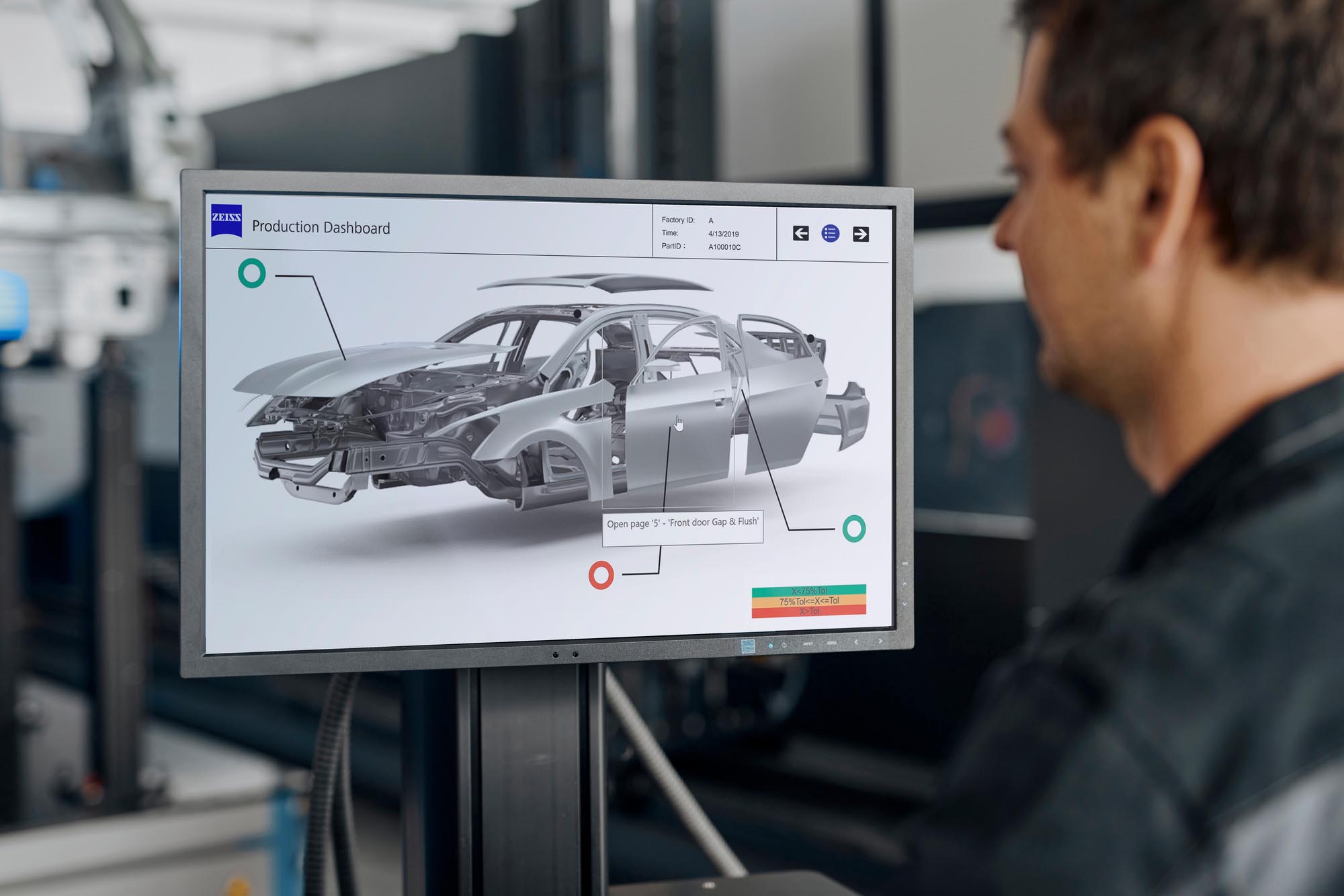

Solutions, ZEISS India & Neighboring Markets
By delivering accurate insights and steady quality assurance, the company helps EV producers optimise their lines, minimise defects, and build parts that last. The outcome is safer, cleaner and more dependable electric mobility.
Electric vehicles may be quiet and clean, but building them is anything but simple. EV makers must reduce weight, perfect surface quality, and sharpen aerodynamics so the vehicle uses less energy and travels farther. Even small gaps, rough surfaces or loose tolerances can increase drag or rolling resistance. This is where ZEISS brings its expertise.
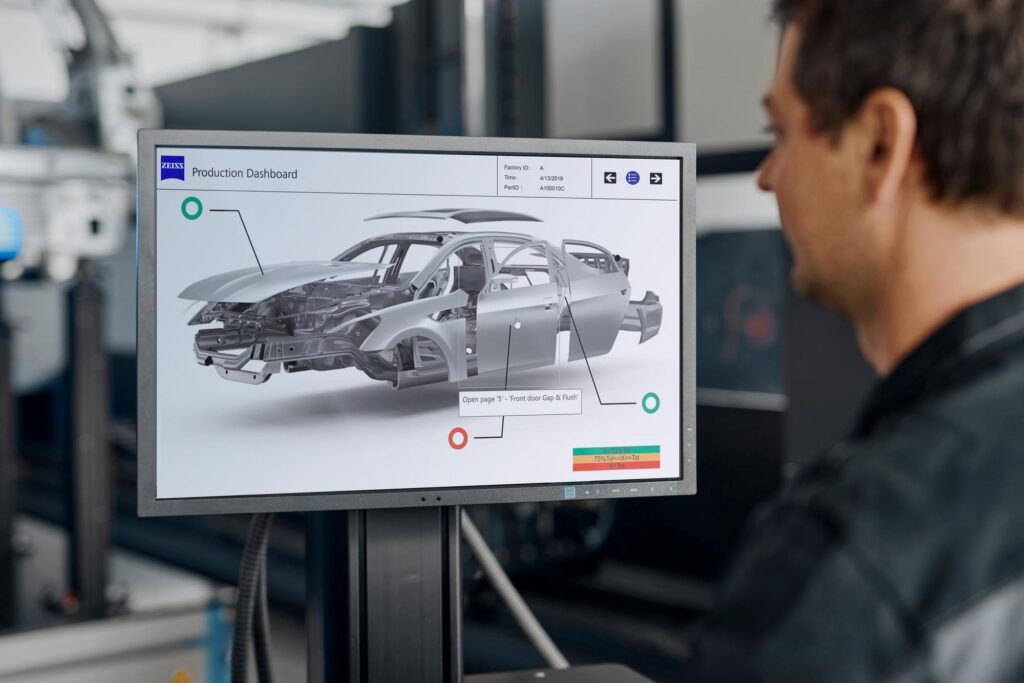
Using advanced optical scanning and 3D measurement systems, the company helps manufacturers create tighter fits and smoother surfaces across vehicle body parts. Their tools allow engineers to capture detailed data and correct even the smallest deviations early in production.
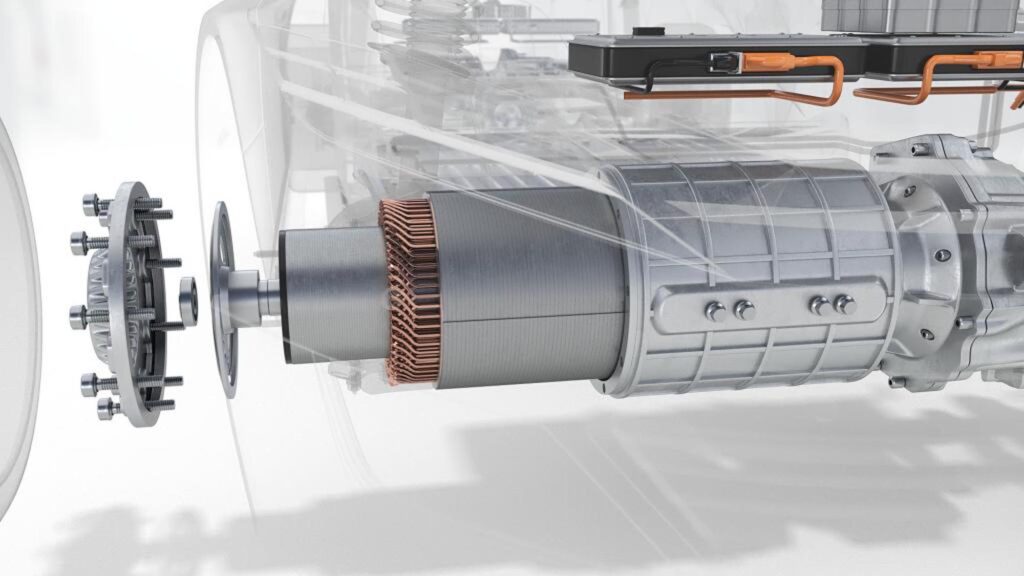
ZEISS India IQS plays an equally important role inside the EV. Batteries, motors and power electronics depend on extremely precise tolerances to deliver efficiency and reliability. It coordinates measuring machines check the accuracy of critical motor parts like rotors and stators, which directly influence energy conversion. Meanwhile, ZEISS industrial CT systems perform non-destructive checks on battery cells, spotting hidden cracks, voids or defects that could affect safety.
Seeing Inside the Battery, Before Problems Begin
Explaining the challenges in EV battery manufacturing, Mr. Aveen Padmaprabha, Head of Industrial Quality Solutions at ZEISS India IQS, said maintaining consistent quality, improving energy density and spotting defects early are the biggest hurdles. ZEISS addresses these issues using advanced X-ray and CT inspection technologies that allow manufacturers to look inside battery cells without damaging them.
Tools like ZEISS Xradia Versa X-ray microscopes and CT systems can detect hidden problems inside battery cells—such as cracks, contamination, or misaligned parts—before they lead to overheating or failure. Electron microscopes examine battery materials at a microscopic level, helping improve energy storage and battery life.
Its CMMs ensure that electric motor parts like rotors and stators are made with precise accuracy, which directly affects performance and long-term durability. Even the tiny semiconductor materials used in power electronics are checked under ZEISS microscopes to make sure they meet the demanding standards EVs require. Beyond safety, it also helps automakers build the next generation of EVs. Its electron microscopes support research into new battery chemistries—including solid-state batteries—with higher energy density and faster charging. The company’s metrology solutions guide the development of lightweight aluminium and composite components for chassis and battery housings, improving range and efficiency. Its industrial CT systems enable detailed testing of new battery designs, ensuring better energy storage and thermal management. With these technologies, ZEISS gives EV makers the confidence to explore new ideas and push the boundaries of performance and sustainability, he explained.
Strengthening EV Power Electronics and Scaling Production with Precision
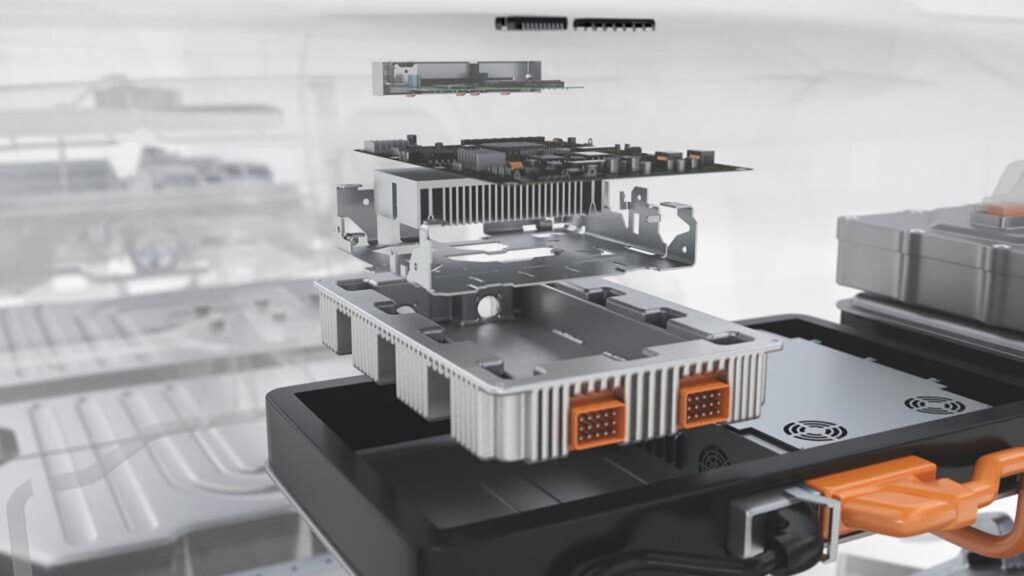
Power electronics are the “control centre” of an EV, managing how energy moves between the battery, motor, and other systems. To keep them reliable, ZEISS India IQS uses high-precision tools that catch even the smallest defects. Its electron microscopes examine semiconductor materials for hidden flaws, while optical metrology systems check heat sinks and cooling parts to ensure they’re built accurately and can handle high thermal loads. This careful inspection helps manufacturers deliver power electronics that perform smoothly under the demands of modern electric vehicles.
As EV production scales up, maintaining quality becomes harder. ZEISS India IQS helps automakers tackle this challenge through automated, high-speed measurement systems that work directly on the production line. Inline metrology provides real-time quality checks, allowing teams to spot and fix issues instantly—reducing waste, cutting downtime, and keeping quality consistent at high volumes. Its software then turns measurement data into practical insights, helping manufacturers fine-tune their processes as they grow.
Sustainability in EV manufacturing
“Sustainability is a core focus for ZEISS India IQS, and our solutions enable EV manufacturers to optimise resource efficiency and reduce waste. Our surface metrology tools help ensure raw materials are used efficiently, minimizing waste during the production of battery cells and components. ZEISS industrial CT systems play a crucial role in battery recycling by enabling non-destructive analysis of used batteries, helping manufacturers recover valuable materials like lithium, cobalt, and nickel. ZEISS optical and tactile measurement systems aid in designing lightweight and aerodynamic EV components, which reduce energy consumption and improve vehicle range,” Mr. Padmaprabha explained.
Shaping the Road Ahead
As the EV industry races toward higher performance, sustainability, and lower costs, ZEISS India IQS helps manufacturers stay ready for what comes next. The company supports this transition by offering advanced measurement tools that speed up the development of new materials—like lightweight composites and next-generation battery chemistries—needed for future EVs. It also brings technologies that enable better recycling and resource optimisation, helping automakers reduce waste and meet stricter environmental rules.
By combining precision, sustainability and innovation, ZEISS India IQS ensures the industry is equipped to tackle emerging challenges and build the next wave of smarter, cleaner electric vehicles, he summed up.