
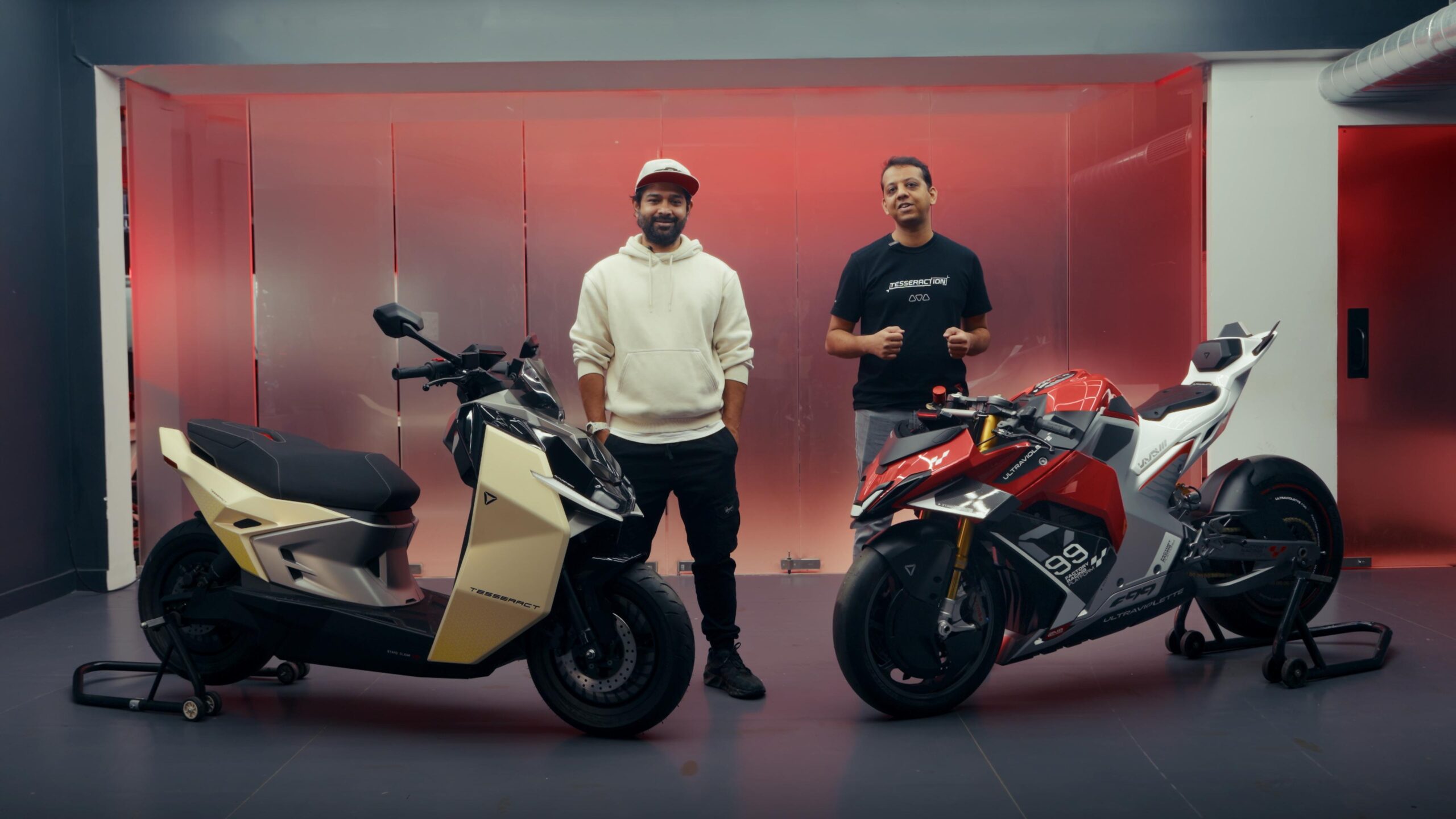
Ultraviolette has announced a significant overhaul of its Tesseract electric scooter, introducing what it claims is India’s first 100V electrical architecture for a scooter. The upgrade has also pushed the launch date to January 2027, from an earlier timeline.
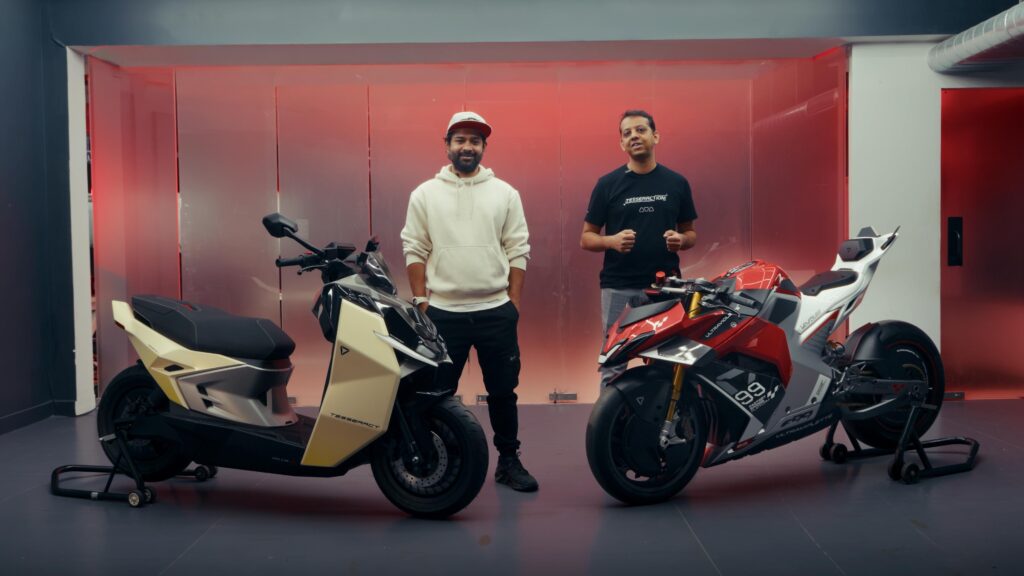
The move to 100V — well above the voltage levels used by most scooters in the market today — is at the centre of this update. According to Ultraviolette, the new powertrain architecture delivers three times more power compared to the industry standard, doubles charging speed, improves load-carrying capacity, and delivers better performance consistency under demanding riding conditions. The company says the change also improves overall energy efficiency and long-term system reliability.
The delay was driven by two factors: the decision to redesign the battery architecture from scratch, and feedback gathered from thousands of prospective buyers during nationwide roadshows and customer showcases held since the scooter was first unveiled. Those interactions led to refinements in ergonomics, rider interface, comfort, and overall design execution — changes the company decided were worth the additional time.
Mr. Narayan Subramaniam, CEO and Co-founder, Ultraviolette, said, “Building the Tesseract has been an incredibly ambitious and challenging journey for us. As we pushed the platform further through development and validation, it became evident that achieving the benchmarks we had set for ourselves required additional engineering and refinement — especially on ride ergonomics and a radical redesign of the battery architecture. While this extends our launch timeline, it ensures that every Tesseract customer receives a scooter that is not only future-ready but embodies the Ultraviolette DNA of performance, technology, and reliability.”
Mr. Niraj Rajmohan, CTO and Co-founder, Ultraviolette, said, “From the very beginning, the vision for the Tesseract was to create a scooter that would redefine benchmarks for the industry. The transition to a 100V architecture is a major step in that direction, enabling higher levels of power delivery, load-carrying capability, and efficiency. Every engineering decision we have made on the Tesseract has been guided by our commitment to deliver a product that sets a new standard for mobility — in India and globally.”
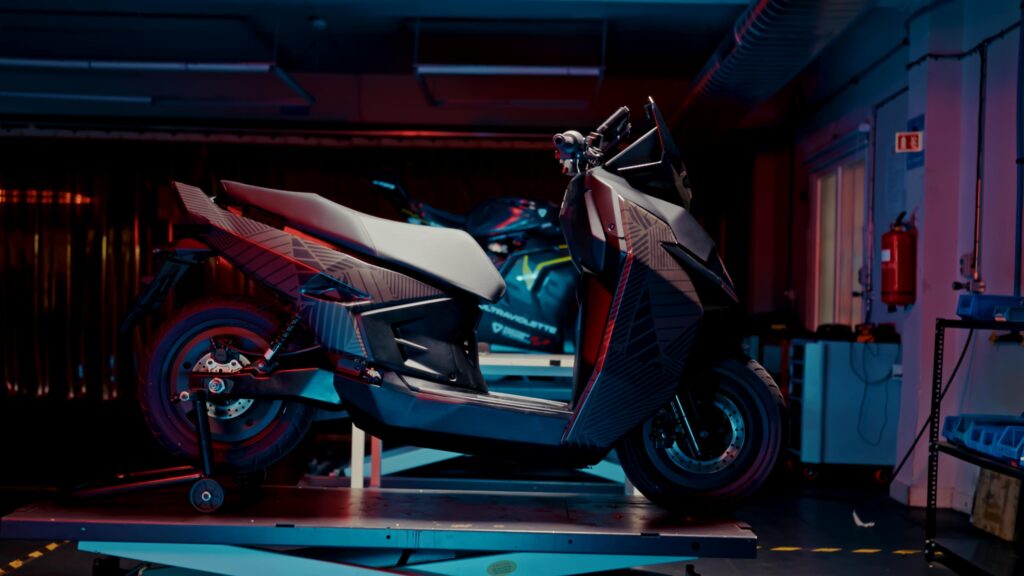
The Tesseract is currently undergoing real-world testing across multiple terrains, weather conditions, and riding scenarios ahead of its January 2027 launch.