
Australia’s automotive aftermarket is entering a period of significant change, as a wave of new Chinese carmakers, rising fuel costs, and a fast-growing EV segment reshape how the country’s vehicles are bought, serviced, and repaired, according to the Australian Automotive Aftermarket Association (AAAA).
The AAAA represents around 3,000 member companies across Australia’s automotive supply chain, from manufacturers and importers to distributors and retail workshop chains, essentially every automotive business outside of carmakers and dealerships.
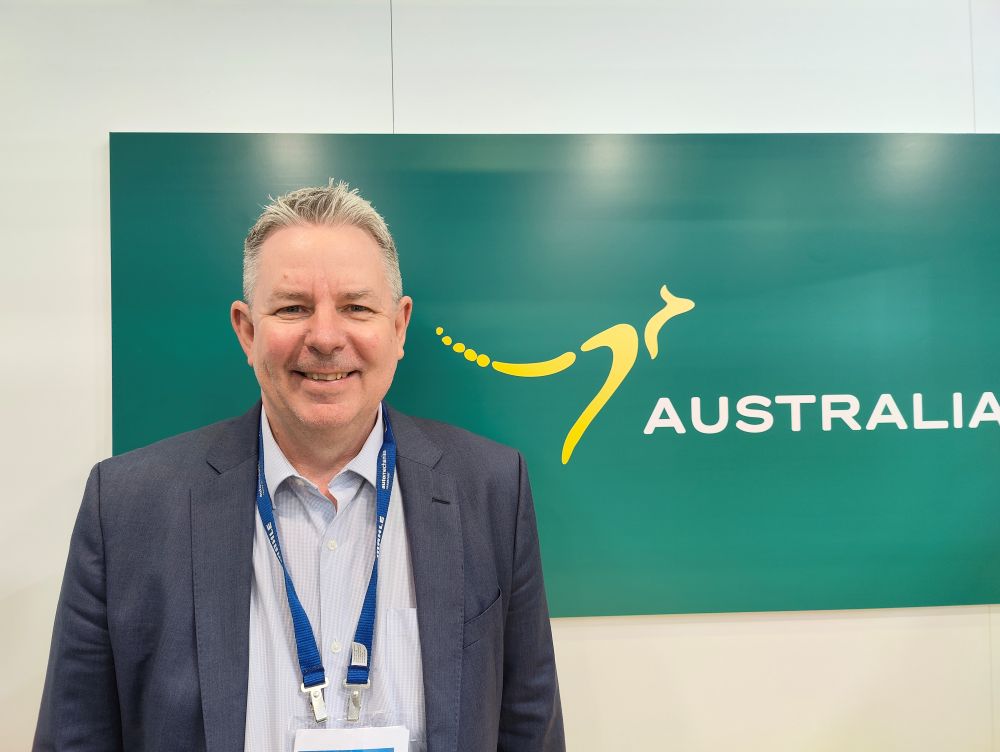
In an exclusive interview to this publication, Mr. Stuart Charity, CEO, AAAA, said Australia’s aftermarket is currently growing at a modest 2-3% annually, even as new vehicle sales remain flat due to cost-of-living pressures causing many families to defer servicing. Despite this, Australia has one of the highest car ownership rates in the world, with around 80% of Australians owning a vehicle. The average car on the road is 12 years old. Independent workshops, rather than dealerships, service about 60% of these vehicles, one of the highest shares of independent repair work anywhere globally, he mentioned.
The market has also seen a dramatic influx of new entrants. In just two years, the number of car brands sold in Australia has jumped from 60 to 80, largely driven by Chinese manufacturers, even as total annual new vehicle sales remain around 1.1 million. “BYD, in particular, surged from near obscurity to become the second-best-selling brand in the country behind Toyota,” he mentioned.
Rather than viewing these new entrants as a threat, the AAAA sees them as an opportunity. Many new brands, lacking established dealership networks, are partnering directly with large independent repair chains for scheduled servicing, as BYD did with mycar Tyre & Auto. Similarly, since accessories are a major business in Australia, especially light trucks, new entrants are turning to established aftermarket players like Ironman for accessories such as canopies and bull bars.
Electric Vehicles
On electric vehicles, Mr. Charity said that adoption is accelerating quickly. While EVs still make up only about 2% of Australia’s total vehicle fleet (6-8% including hybrids), they now account for over half of new car sales, a shift that has happened almost entirely in the past 12-18 months. According to him, three factors are driving this: fuel prices have doubled following the West Asia crisis, since Australia sources fuel via Singapore, which in turn draws base oil from the Middle East; Chinese manufacturers are offering highly specked EVs at prices now often cheaper than equivalent ICE vehicles; and a new government vehicle efficiency standard will soon penalise high-emission vehicles while rewarding EV makers with tradeable credits, further widening the price gap between EVs and ICE vehicles, he elaborated.
Charging infrastructure, however, remains a challenge, particularly in Australia’s vast regional areas, he said. While many EV owners charge at home using rooftop solar, a common setup given Australia’s high solar adoption, public charging remains limited outside major urban centres, often leading to long queues during peak travel periods. AAAA doesn’t work directly with OEMs on this issue but continues to lobby government for greater investment, including a $100 million programme encouraging workshops to install public-accessible charging stations.
The shift to EVs also raises real questions for the independent aftermarket’s revenue model, given that EVs have fewer moving parts and require significantly less maintenance in their early years. AAAA estimates EVs generate 25-40% less aftermarket revenue over their lifetime compared to ICE vehicles. However, early data suggests EVs may bring their own service needs, including battery health monitoring, cooling system maintenance, and addressing electronic and software reliability issues, alongside a likely need for suspension work given their heavier weight. With Australia’s vehicle fleet still growing by around 300,000 vehicles annually against a legacy fleet of 20 million, the association expects a long runway for ICE servicing to continue alongside this transition. Some independent workshops are already positioning themselves as EV specialists, though most large chains currently dedicate only about one in five or six service bays to EVs, a figure expected to grow as the EV fleet ages, Mr. Charity indicated.
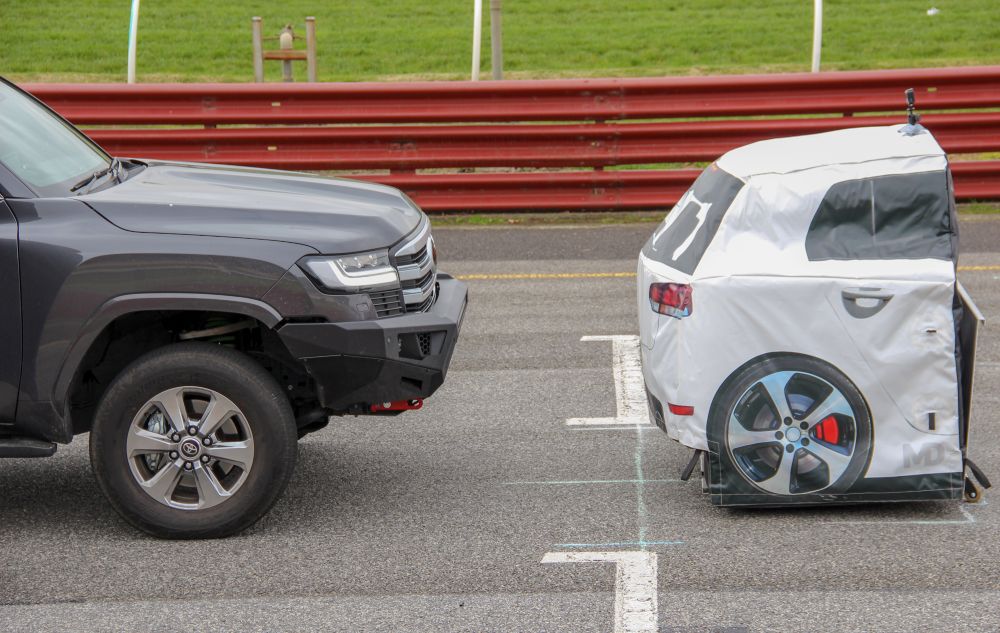
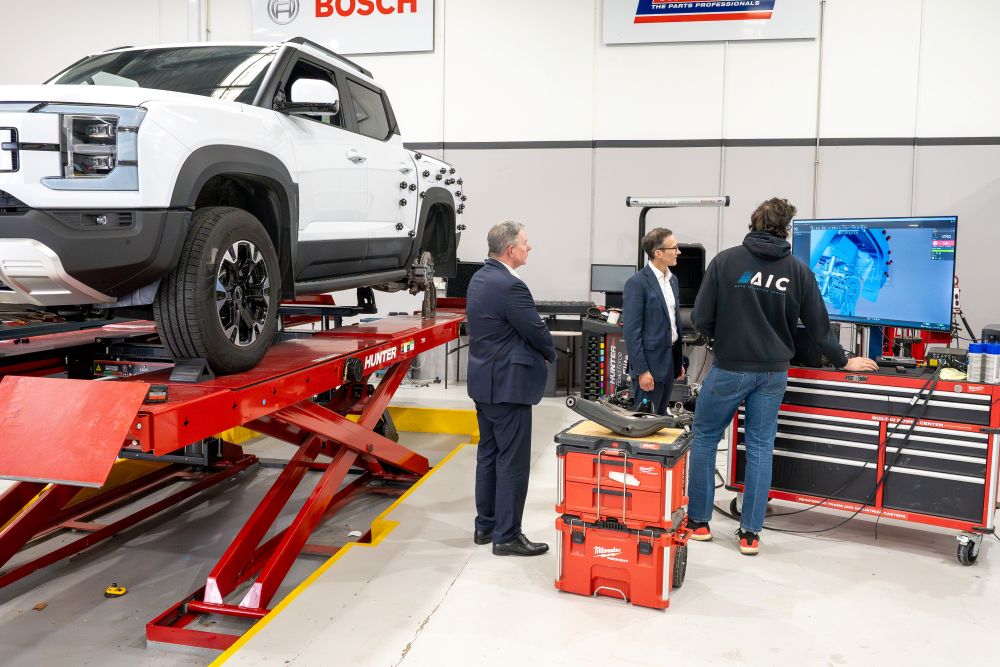
On advanced driver assistance systems (ADAS), which now increasingly require careful calibration after repairs or modifications, he said AAAA has developed what it believes is a world-first voluntary industry code of practice for ADAS calibration. Developed in partnership with insurers, it is now pushing government to formalise it into regulation. The association also operates the Auto Innovation Centre in Melbourne, which conducts dynamic vehicle testing using tools like steering robots and pedestrian-detection robots, helping members ensure vehicle modifications remain compatible with safety systems.
On parts distribution, digital ordering remains strongest in accessories and car care products, while core workshop parts distribution continues to rely on established regional networks. These are capable of same-day delivery, a system that remains resilient given the sheer diversity of vehicles on Australian roads and the complexity of accurately matching parts to specific vehicles.
Finally, on supply chains, Australia has faced some disruption tied to the West Asia crisis, primarily around fuel and lubricant additives, an issue AAAA is actively raising with government. However, the country has seen no major disruption to auto parts imports, which are largely sourced from across Asia, he said.
AAAA advocates to government on behalf of the industry, and was instrumental in securing Australia’s right-to-repair legislation four years ago, requiring carmakers to share repair and service information with independent workshops on fair terms. Beyond advocacy, the AAAA also conducts market intelligence, runs technician training programmes, and organises the country’s major trade show, the Australian Auto Aftermarket Expo, he signed off.