
Record financial performance, stronger market leadership, digital transformation and the proposed IVECO acquisition position the company for sustained long-term growth
The financial year 2025-26 marked a defining chapter in Tata Motors’ journey. Following the successful demerger and listing of its Commercial Vehicles business as an independent entity, the company entered a new phase with sharper strategic focus, stronger financial performance and an ambitious roadmap for global expansion.
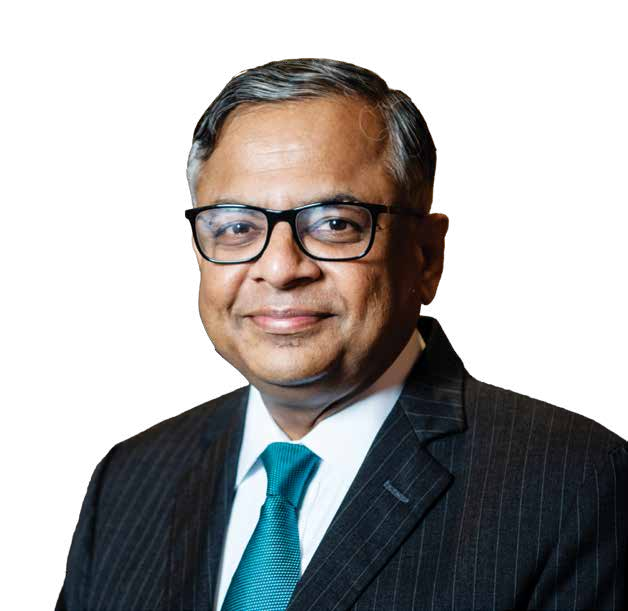
In his message to the company’s shareholders, Chairman N. Chandrasekaran described the demerger as “a decisive step in our ambition to build a world-class commercial mobility enterprise, with strong leadership in India and a significant presence globally.”
Despite operating in an environment marked by geopolitical uncertainties, shifting trade dynamics and macroeconomic headwinds, Tata Motors delivered its strongest-ever financial performance while strengthening its leadership across key commercial vehicle segments.
Record Financial Performance
Tata Motors reported its highest-ever revenue of ₹83,855 crore in FY26, representing a year-on-year growth of 9.8% over the previous year’s ₹76,359 crore. EBITDA margins improved to 12.3%, supported by stronger operating leverage and disciplined cost management, while return on capital employed reached an impressive 72.3%, among the highest in the global commercial vehicle industry.
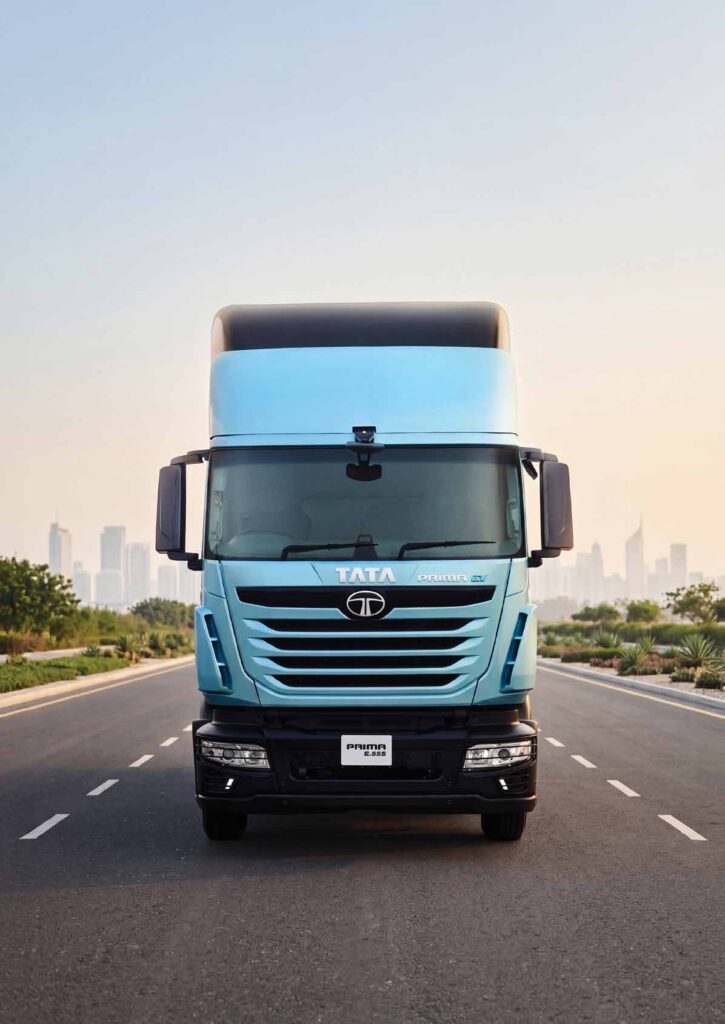
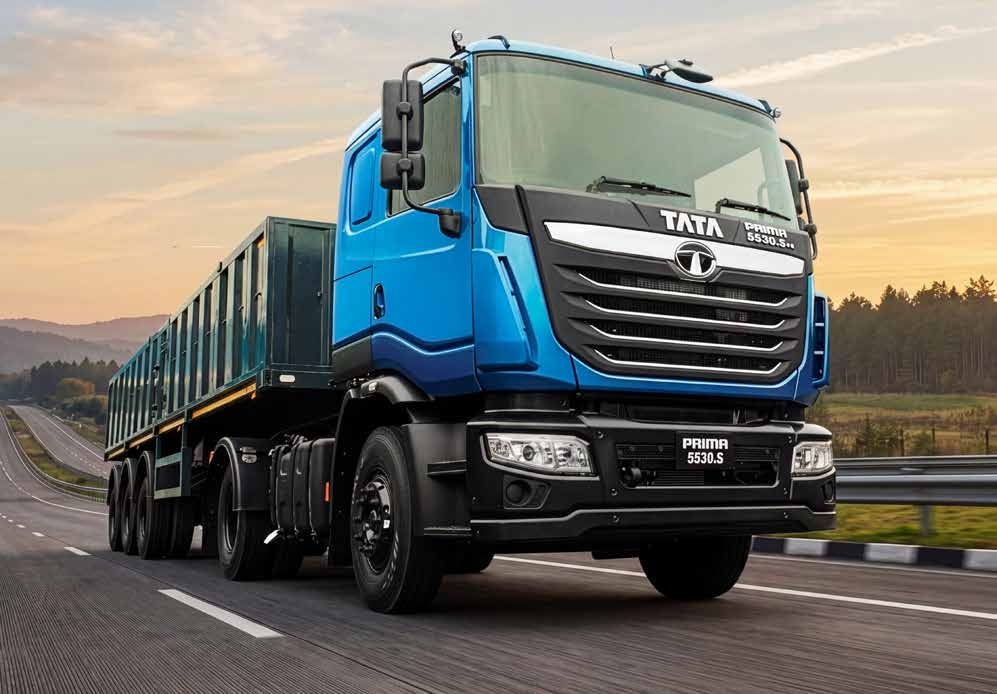
The company’s domestic commercial vehicle business maintained its leadership position with sales exceeding 435,000 vehicles during the year, compared to around 385,000 units in FY25. Growth was driven by strong demand across the Intermediate, Light and Medium Commercial Vehicle (ILMCV) and Small Commercial Vehicle and Pickup segments, while the Heavy Commercial Vehicle business recorded its highest market share in a decade at 55%.
Reflecting on the company’s performance, Chandrasekaran said, “Collectively, these outcomes highlight the resilience of our business model and our ability to perform consistently across cycles through disciplined execution.”
The Board has also recommended a final dividend of ₹4 per share for FY26, subject to shareholder approval.
Eight-Vertical Strategy Begins Delivering Results
One of the major strategic initiatives undertaken by Tata Motors in recent years has been the reorganisation of its commercial vehicle business into eight focused verticals. Designed to diversify revenue streams while reducing dependence on economic cycles, the strategy delivered encouraging results during FY26.
According to the Chairman, the new structure has enhanced accountability, improved execution and strengthened profitability across the organisation. Beyond its four vehicle business verticals, the company witnessed robust growth in its non-cyclical businesses, with the spares and services segment growing 18.2% and making an increasingly significant contribution to profitability.
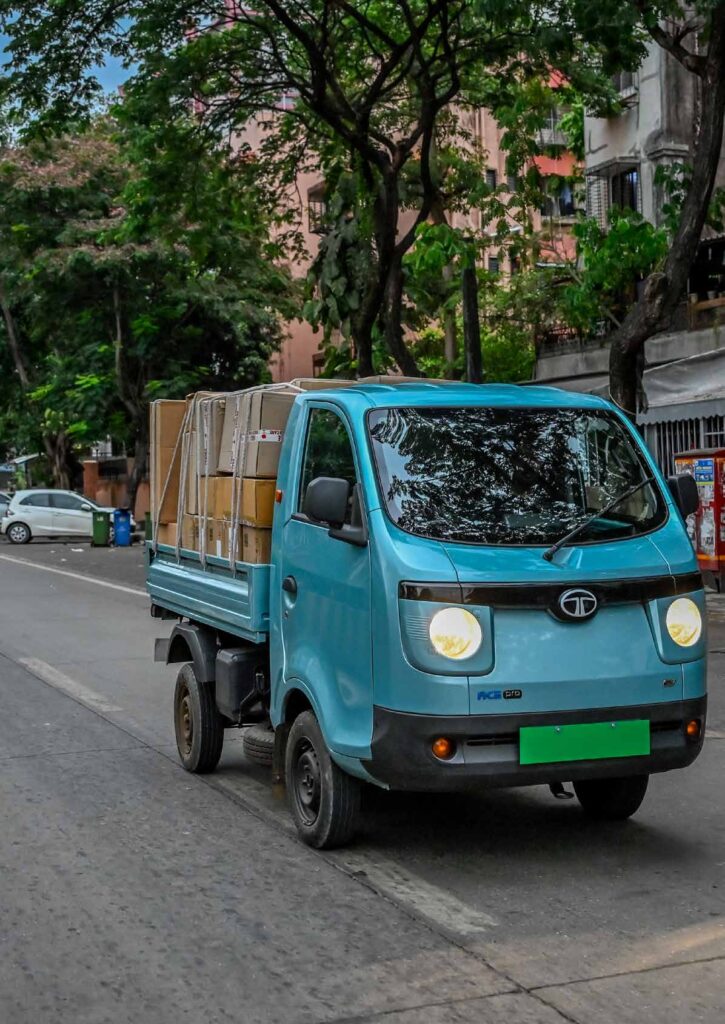
The company’s digital ecosystem also continued to expand rapidly. Fleet Edge crossed the milestone of one million connected vehicles, while Fleet Verse, Tata Motors’ digital commerce platform, registered healthy growth in sales, bookings and customer enquiries.
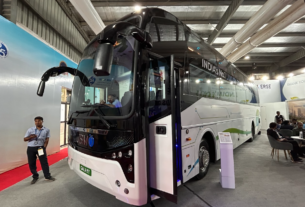
Meanwhile, Tata Motors Smart City Mobility Solutions strengthened its leadership in electric public transport. With over 3,800 electric buses deployed across 10 Indian cities, the fleet surpassed 50 crore cumulative kilometres while consistently maintaining vehicle uptime above 95%, underlining the company’s growing capabilities in electric mobility solutions.
International Business Gains Momentum
International operations emerged as another significant growth engine during the year, registering a strong 53.9% year-on-year increase driven by deeper market penetration and major order wins across Southeast Asia, Africa and the Middle East.
Further strengthening its global ambitions, Tata Motors announced the proposed acquisition of IVECO Group during the year. The acquisition is expected to significantly enhance the company’s international footprint by adding complementary product portfolios spanning light, medium and heavy commercial vehicles, together with established operations across Europe, Latin America and several other international markets.
The proposed acquisition would add annual sales of approximately 140,000 vehicles and revenues of around €13.4 billion, while bringing advanced manufacturing capabilities, powertrain expertise and a strong technology roadmap aligned with future emission regulations and alternative fuel technologies.
Driving the Future of Commercial Mobility
Alongside business expansion, Tata Motors continued investing heavily in future mobility technologies.
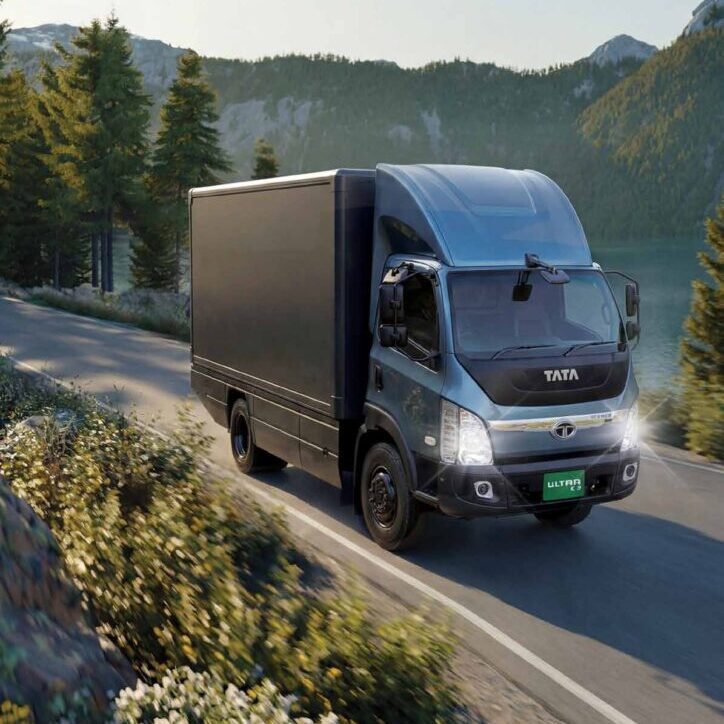
The company expanded its portfolio of battery electric commercial vehicles while accelerating work on hydrogen-powered trucks for heavy-duty applications. It also made significant progress towards renewable electricity usage across its manufacturing operations and strengthened circular economy initiatives through programmes such as ProLife and Re.Wi.Re. Several manufacturing plants also moved closer to achieving Water Neutrality and Zero Waste to Landfill status.
Digital technologies and artificial intelligence are expected to play an increasingly important role in shaping future mobility. Chandrasekaran noted that advances in AI, connected vehicle technologies, advanced driver assistance systems (ADAS) and data-driven fleet services are redefining competitiveness across the commercial vehicle industry.
Positioned for the Next Phase of Growth
Looking ahead, Tata Motors believes India’s long-term infrastructure investments, logistics modernisation and freight efficiency initiatives will continue to support sustained growth in commercial mobility.
Backed by a strong balance sheet, improving returns and a disciplined capital allocation strategy, the company plans to continue investing in digital technologies, connected mobility solutions, advanced safety systems and next-generation powertrains.
“Our focus will remain on delivering industry-leading growth, profitability and returns,” Chandrasekaran said, adding that these capabilities “will shape the future of safe, efficient and intelligent commercial mobility.”