
Tata Motors MD & CEO says India’s unique incentive structure and ecosystem development have positioned the country ahead of several global markets in commercial vehicle electrification

While several global markets are witnessing slower-than-expected adoption of electric trucks, India is emerging as one of the brighter spots in commercial vehicle electrification.
Responding to a MOTORINDIA question during Tata Motors’ FY26 annual review press roundtable, on how India compares with global markets, Girish Wagh, Managing Director & CEO, Tata Motors Ltd. attributed the country’s progress to a combination of supportive government policies, localisation initiatives and proactive investments by domestic OEMs and ecosystem partners.
“It is really true that India is doing well on electric vehicle adoption”, he said.
Policy support matters
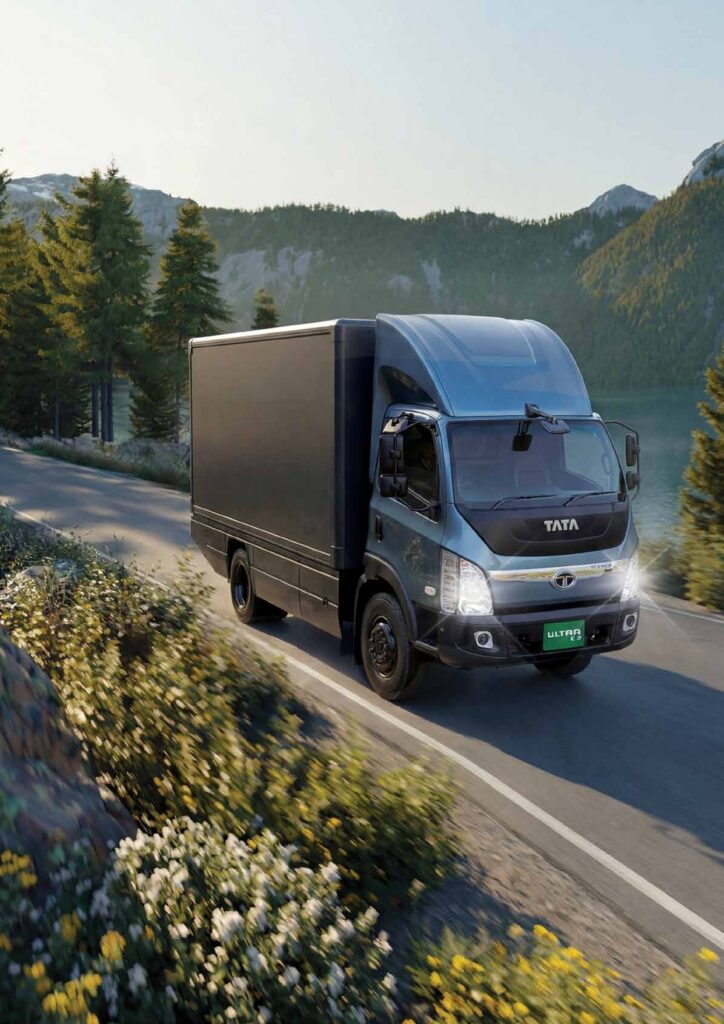
According to Girish, one of the biggest differentiators has been the Indian government’s balanced approach towards promoting electrification.
Unlike some countries that rely largely on penalties for higher carbon emissions, India has adopted a framework built around incentives and policy support.
“The government has created a very unique ecosystem where both demand-side and supply-side incentives exist,” he explained.
On the demand side, measures such as lower GST rates and schemes including PM E-DRIVE and PM eBus have supported faster adoption. At the same time, production-linked incentives (PLI) have encouraged domestic manufacturing, while phased manufacturing programmes have accelerated localisation across the EV value chain.
“I think one of the best things the government has done is to push localisation. When you combine domestic value addition with the incentive structure, it creates a much stronger ecosystem,” Girish observed.
Industry investments
Government support alone would not have been enough, Girish emphasised, pointing out that Indian manufacturers have backed the transition with sustained investments.
Tata Motors Commercial Vehicles has been investing in electric mobility for more than five years, developing a dedicated iMove architecture while localising several critical aggregates in line with the country’s phased manufacturing programme.
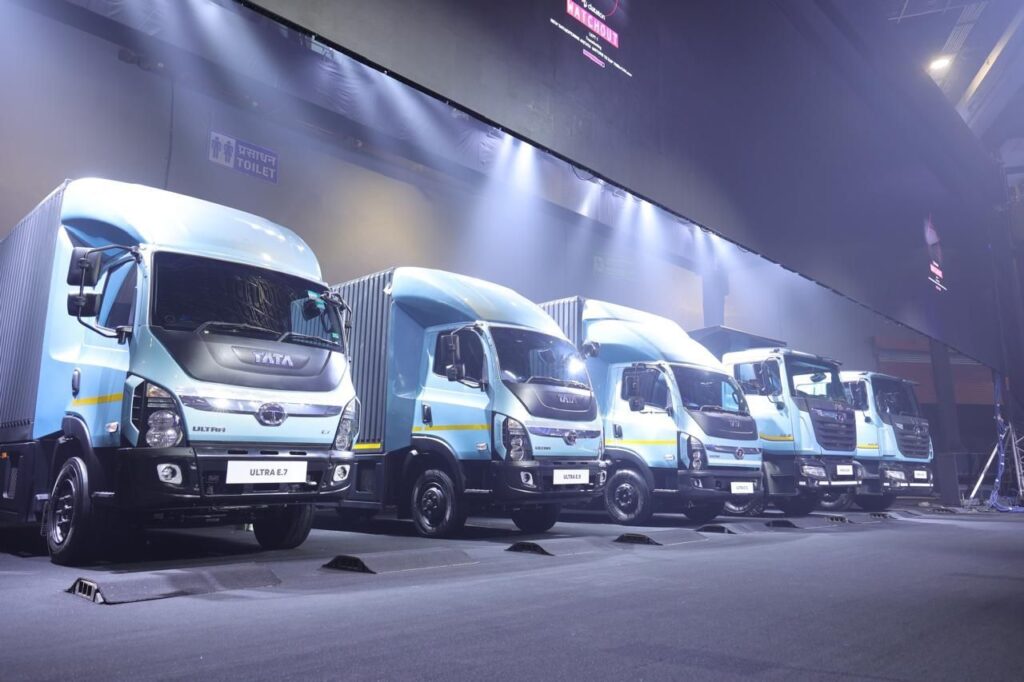
“The local OEMs have gone ahead and invested significantly. It is not just about having multiple products. We have developed a completely new architecture and localised many of the aggregates,” he said.
Ecosystem coming together
Girish also credited charging infrastructure providers and financial institutions for accelerating EV adoption.
Initially, financiers were cautious because of concerns over technology maturity and residual values, while charging operators were uncertain about utilisation levels and return on investment. However, growing market confidence has encouraged wider participation across the ecosystem.
“All of them have now come together, and we are seeing very good penetration,” he said.
Small trucks gain momentum
Interestingly, Girish highlighted that electric small commercial vehicles (SCVs) are witnessing encouraging traction despite not being covered under the PM E-DRIVE incentive scheme.
He believes improvements in charging infrastructure, financing availability and favourable total cost of ownership (TCO) are driving customer acceptance.
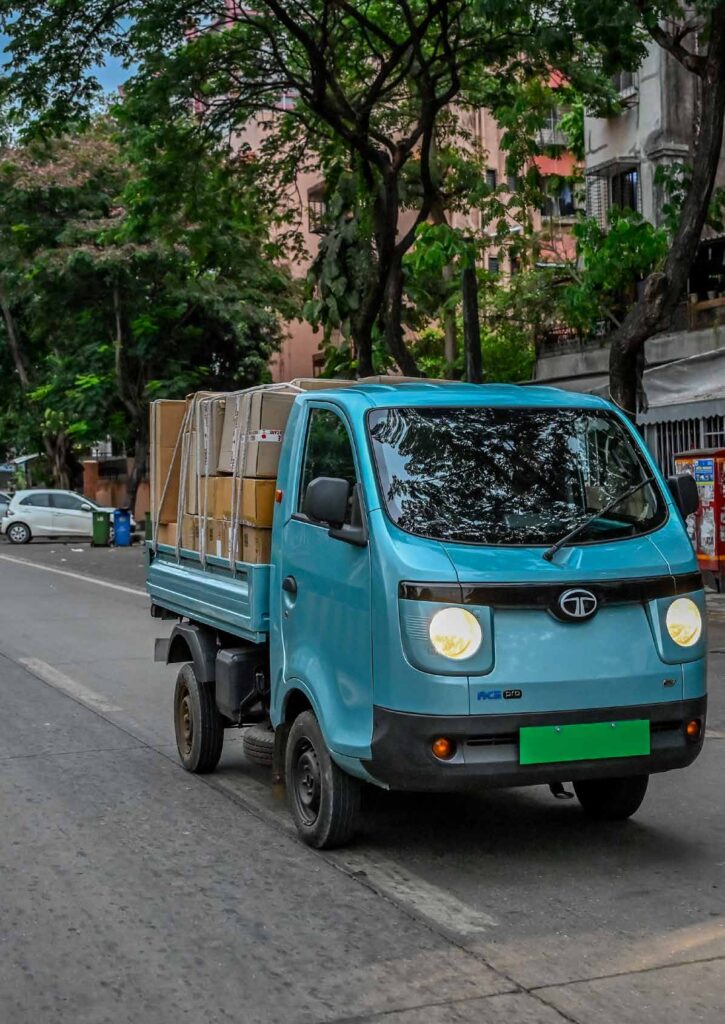
“There are duty cycles where customers are able to achieve TCO parity within two, three or four years. Beyond that, the lower operating costs become additional earnings for the customer,” he explained.
No need to push hybrids
With electrification gathering momentum, Girish believes government incentives should continue focusing on battery electric vehicles rather than hybrid technologies.
“I continue to strongly believe there is no need to promote hybridisation from the government’s incentive point of view. If hybrids make business sense for customers and OEMs, they will naturally find their place. Electrification, however, still needs policy support, and we are thankful for the environment the government has created,” he concluded.