
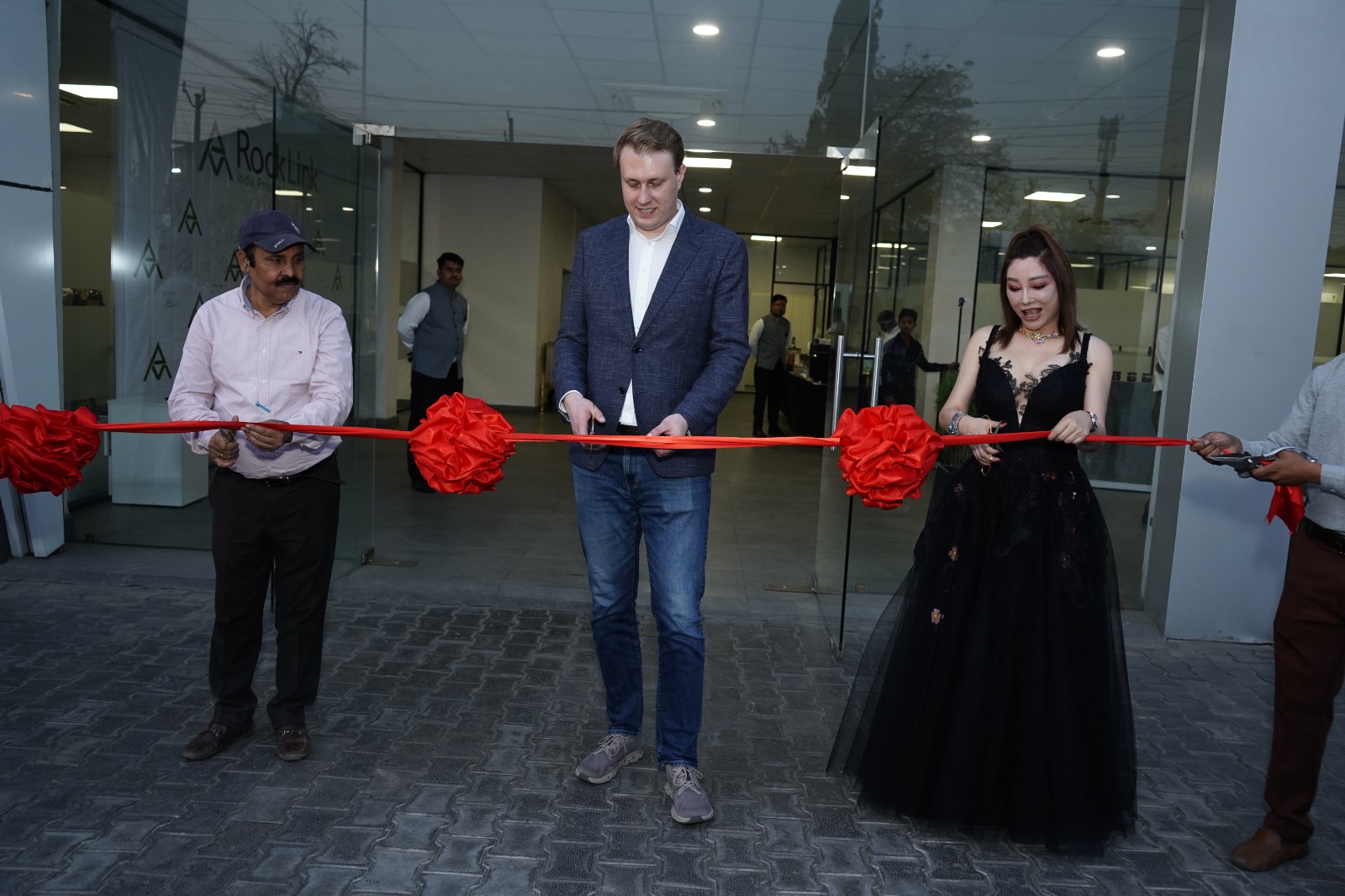
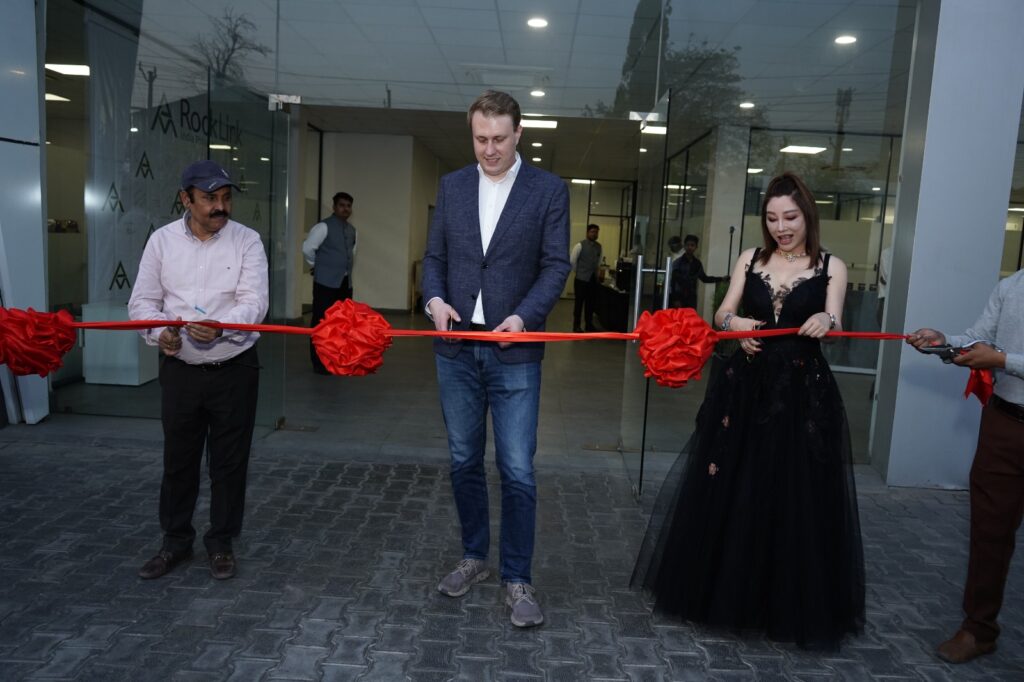
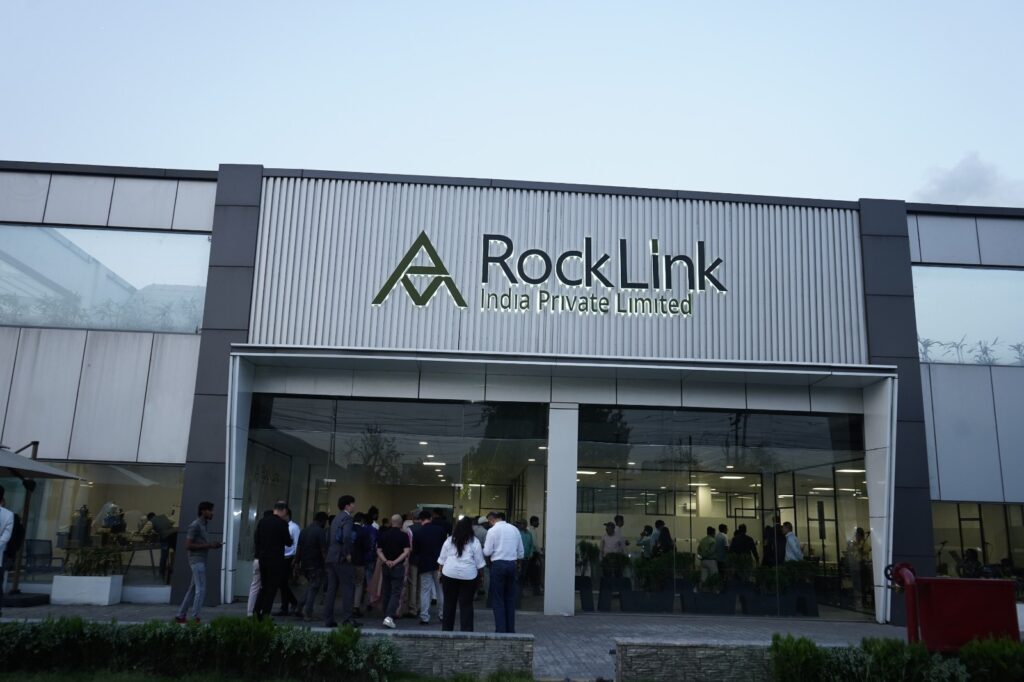
Rocklink India Pvt. Ltd. has announced the establishment of its first integrated recycling facility in India, located at the UPSIDC Industrial Area in Sikandrabad, Uttar Pradesh, marking a significant step towards building domestic capabilities for critical material recovery and circular supply chains.
The facility is designed to process lithium-ion batteries, rare earth magnets, and metal-bearing industrial waste, aligning with India’s growing need to secure essential raw materials for sectors such as electric mobility, renewable energy, and advanced manufacturing.
In its initial phase, the plant will have a lithium-ion battery recycling capacity of 10,000 tonnes per year, along with rare earth magnet dismantling and processing operations of 60 tonnes per month. The company is also set to commission a rare earth chloride processing line with an annual capacity of 1,500 tonnes in Q1 2026, further strengthening its material recovery capabilities.
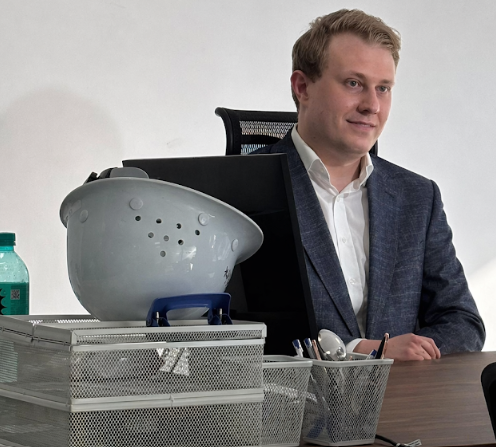
Commenting on the development, Mr. Leonard Alexander Ansorge, Director, Rocklink India, said the facility represents a key milestone in establishing advanced recycling infrastructure for critical materials in the country, while supporting the transition towards a circular ecosystem.
The EPR-registered lithium-ion recycling unit is capable of handling 95 types of pre- and post-consumer battery scrap. It is powered by Rocklink’s in-house developed R2 recycling technology, which enables safe processing of battery waste into valuable components while effectively managing hazardous volatile organic compounds through encapsulated systems and advanced gas treatment.
The process delivers over 98% recovery efficiency for metals such as aluminium, copper, and iron, while producing high-purity black mass for further refining. The facility is also engineered to handle multiple battery formats, sizes, and chemistries, enhancing operational flexibility.
Beyond recycling, Rocklink India plans to integrate battery refurbishment capabilities, allowing viable cells to be tested, balanced, and repurposed in line with global standards, thereby extending battery life cycles and improving resource efficiency.
The plant also features dedicated infrastructure for rare earth magnet recycling, covering materials such as NdFeB, SmCo, and AlNiCo, commonly used in electric motors and industrial systems. Semi-automated dismantling lines will convert magnet-containing assemblies into uniform batches, improving traceability and recovery efficiency.
Additionally, the company is introducing its Magcycle reverse logistics model in India, enabling structured collection and routing of magnet scrap into appropriate recycling streams. This is supported by its “Know Your Material” approach, which uses in-house testing and grading systems to determine optimal recycling pathways.
Materials unsuitable for direct recycling will be processed into rare earth chlorides at the upcoming unit, which features a 22-metre direct-heated rotary kiln for safe calcination of industrial waste.
Through collaborations with technology startups, research institutions, and government stakeholders, Rocklink India aims to enhance automation, improve recovery efficiencies, and contribute to strengthening India’s domestic supply chains for critical raw materials.