

India’s electric commercial vehicle (e-CV) market continued to show strong year-on-year momentum in April 2026, even as the segment witnessed a sequential slowdown after a strong March.
According to FADA retail data, total electric CV retail sales stood at 2,245 units in April 2026, registering a sharp 148.9% growth over April 2025. However, volumes declined by 8.7% compared to March 2026.
The electric CV market share in the overall commercial vehicle space rose to 2.26% in April 2026, more than doubling from 1.04% in April 2025. This reflects the gradual but steady adoption of electric mobility across cargo transport, last-mile delivery and passenger mobility applications.
Market Leader Position
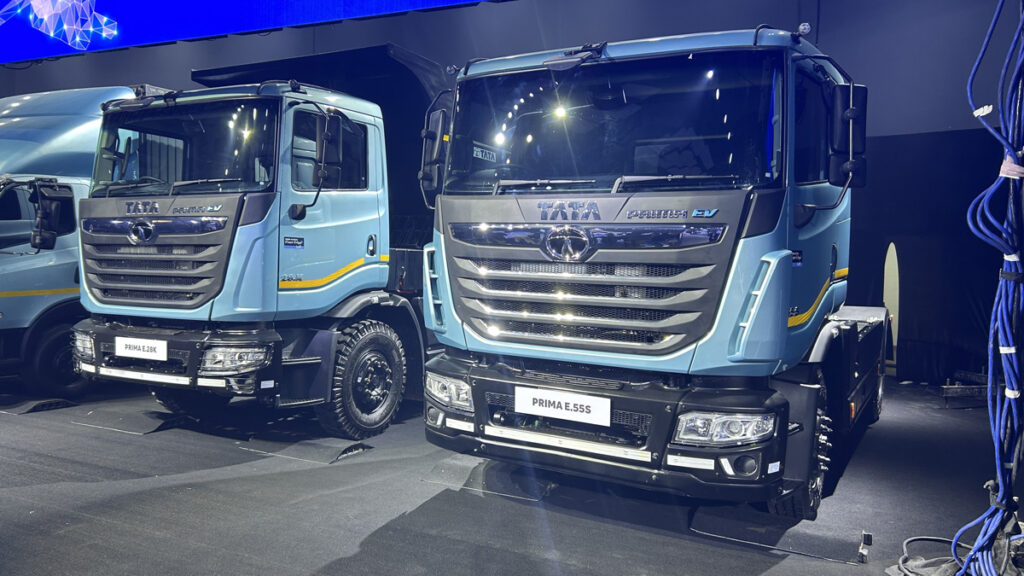
Tata Motors retained its leadership position in the electric CV market with retail sales of 799 units in April 2026. While the company witnessed a 7.5% month-on-month decline from 864 units in March, it posted an impressive 201.5% year-on-year growth compared to 265 units in April 2025. The strong annual growth exhibits Tata Motors’ expanding presence in the electric cargo and passenger mobility space, supported by products such as the Ace EV and electric buses. Despite increased competition, the company continues to command the largest retail volumes in the segment.
Rapid Challenger Growth
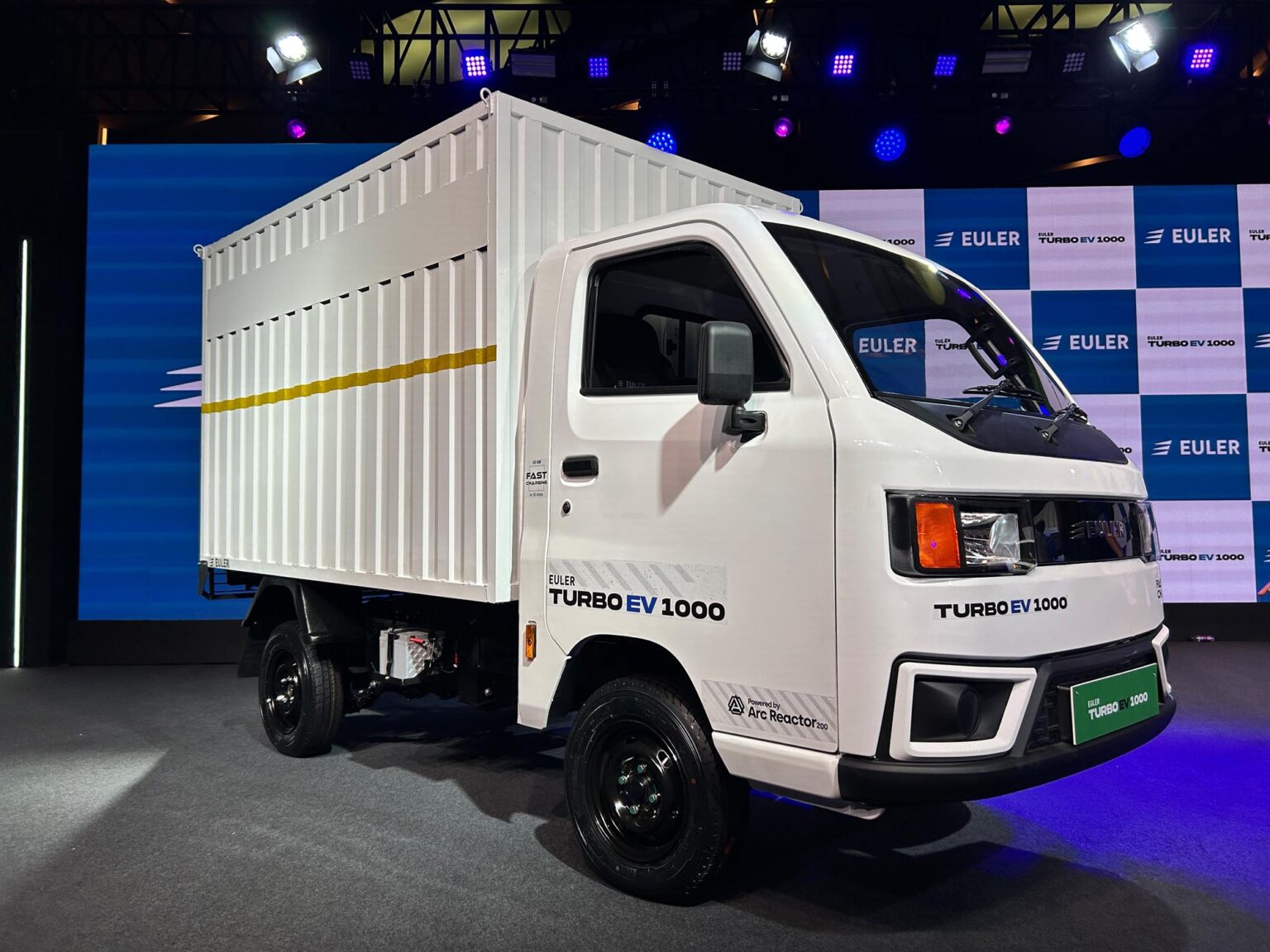
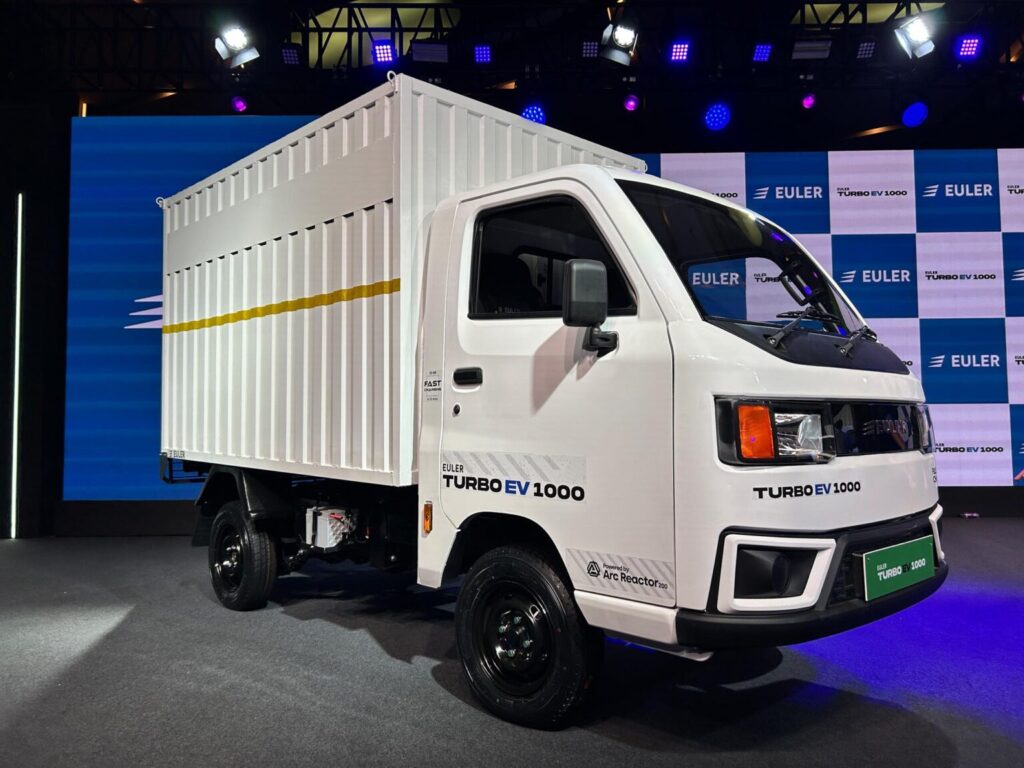
Euler Motors emerged as one of the fastest-growing players in the market. The company retailed 518 units in April 2026, up 10.4% over March and a massive 1,263.2% growth over April 2025. The sharp jump highlights the growing acceptance of Euler’s electric cargo vehicles in the e-commerce, logistics and urban delivery ecosystem. Euler is steadily strengthening its position as a major challenger in the electric last-mile commercial mobility space.
Mahindra Strengthens Presence
Mahindra Group secured the third position with 285 retail units, growing 6.3% month-on-month and 69.6% year-on-year. Mahindra Last Mile Mobility continues to benefit from strong demand in the three-wheeler cargo and passenger mobility segments. Its consistent growth reflects the increasing electrification of urban transport and intra-city logistics.
Mixed Performance Trends
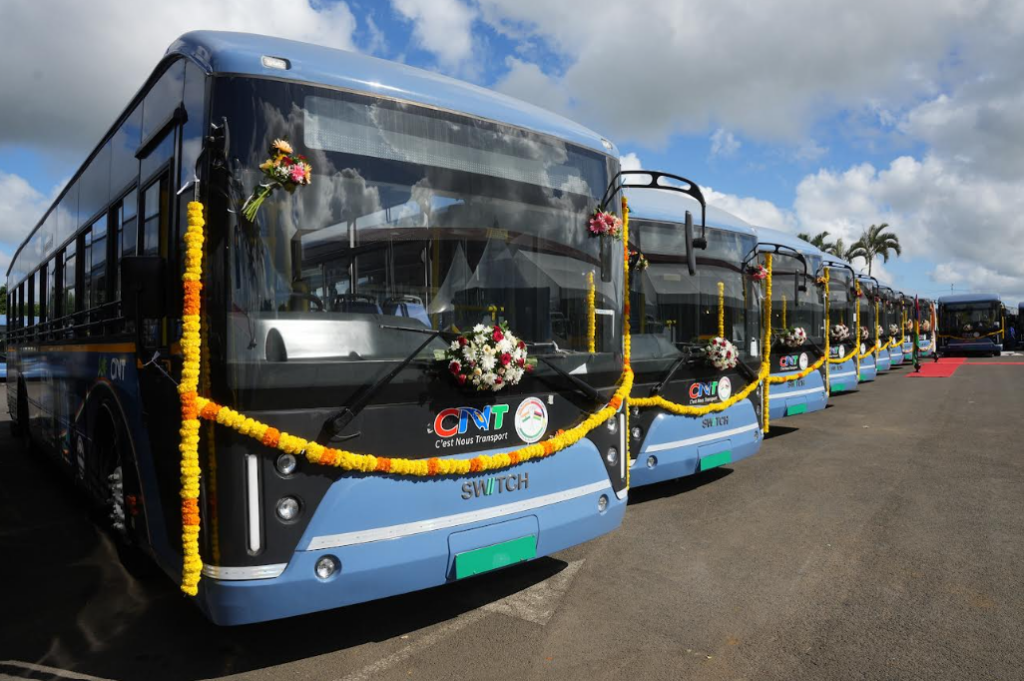
Switch Mobility reported retail sales of 144 units. While the company posted a strong 311.4% year-on-year increase, volumes dropped sharply by 44.2% sequentially from March. The decline indicates some moderation after a stronger previous month, particularly in the electric bus segment.

PMI Electro Mobility Solutions retailed 111 units in April 2026. The company recorded a 9.8% month-on-month decline and a 41% drop compared to the previous year, indicating softer demand in its operating segments.
Tivolt Electric Vehicles showed strong expansion with 83 units, registering an 822.2% year-on-year increase, despite a marginal month-on-month decline of 3.5%. The numbers indicate the company’s growing market entry momentum.
JBM Auto retailed 54 units during the month. Although year-on-year growth remained positive at 35%, the company witnessed a steep 72.5% decline over March, reflecting lower electric bus order execution during the month.
Emerging Players Gain Ground
Pinnacle Mobility Solutions posted one of the strongest sequential gains in the market. Retail sales rose 42.1% month-on-month to 54 units, while year-on-year growth stood at 440%. This indicates rising traction for newer entrants in niche electric mobility applications.
VE Commercial Vehicles retailed 38 units, improving 11.8% over March. However, volumes were marginally lower by 2.6% compared to April 2025.
Energy In Motion registered 34 units with a healthy 61.9% month-on-month increase, while Aeroeagle Automobiles retailed 28 units, up 27.3% sequentially. These companies are gradually building their presence in the evolving electric CV ecosystem.
Shifting Market Dynamics
The April 2026 retail data reflects a market that is expanding rapidly but also becoming increasingly competitive. While established players such as Tata Motors and Mahindra continue to dominate, aggressive growth from Euler Motors and emerging manufacturers shows that the electric CV market is entering a broader expansion phase.
The month-on-month decline in overall retail volumes suggests that the industry may witness periodic fluctuations depending on fleet buying cycles, government incentives, financing conditions and infrastructure readiness. However, the sharp increase in yearly volumes and market share clearly indicates that electric commercial mobility is steadily moving toward mainstream adoption in India.