
India’s electric passenger vehicle (PV) retail market continued its rapid growth trajectory in April 2026, with overall retail volumes rising 75.14% year-on-year to 23,506 units, according to Federation of Automobile Dealers Associations (FADA) data.

Electric PV market penetration also climbed to 5.8% in April 2026 compared to 3.7% in April 2025, underlining the growing acceptance of EVs among mainstream buyers. The market also recorded a healthy 4.52% month-on-month growth over March 2026, reflecting sustained consumer momentum despite increasing competition and the entry of new players.
Tata Motors Retains Leadership Position
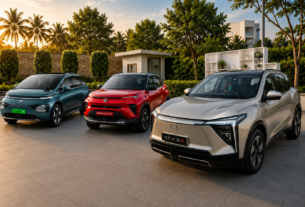
Tata Motors continued to dominate the electric PV retail segment with sales of 8,543 units in April 2026, registering a strong 77.17% year-on-year growth. The company also recorded a 3.51% month-on-month increase, reaffirming its leadership despite intensifying competition. The OEM’s sustained strength is largely driven by its broad EV portfolio, extensive charging ecosystem support and deep market penetration across metros as well as Tier II cities. The performance also indicates that Tata continues to enjoy strong trust among first-time EV buyers.

Mahindra Strengthens Its EV Push
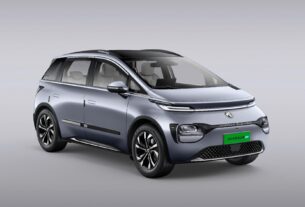
Mahindra & Mahindra emerged as the second-largest player with 5,413 retail units, up 63.98% year-on-year and 3.24% sequentially. The company’s strong growth reflects increasing acceptance of its new-generation electric SUVs and the company’s aggressive focus on premium electric mobility. The brand appears to be gaining traction among customers seeking larger, lifestyle-oriented EVs with higher driving range and feature-rich offerings.
JSW MG Motor Maintains Consistent Momentum
JSW MG Motor India posted retail sales of 5,006 units, registering a healthy 32.54% growth over April 2025, though month-on-month volumes declined marginally by 2.63%. The carmaker continues to remain one of the strongest EV-focused brands in India, supported by products positioned across multiple customer segments. The slight sequential decline may reflect increasing competitive intensity and evolving customer choices in the compact EV space.
VinFast Makes A Strong Debut
VinFast entered the Indian retail charts with 1,232 units, recording an impressive 78.29% growth over March 2026. The strong entry highlights rising consumer curiosity around global EV brands and indicates that India’s electric PV market is becoming increasingly receptive to new-age international manufacturers. VinFast’s early momentum could intensify competition in the mid-premium EV category.

Maruti Suzuki Begins Scaling Its EV Presence
Maruti Suzuki India retailed 1,231 electric passenger vehicles in April 2026, recording a sharp 29.72% month-on-month rise. Although still in the early stages of its EV journey, the vehicle maker’s entry c\ arries strategic importance because of its massive customer base and dealership reach. The company’s gradual scale-up could significantly accelerate EV adoption in smaller cities and price-sensitive segments.
Hyundai Faces Temporary Slowdown
Hyundai Motor India reported 516 units in April 2026. While sales improved 8.40% over March 2026, volumes declined 30.92% year-on-year. The decline may indicate heightened pressure in the premium EV space as more rivals enter the market with broader portfolios and competitive pricing strategies. However, Hyundai’s positive month-on-month movement suggests demand recovery is underway.
BYD Continues Steady Expansion
BYD retailed 469 units, posting a 17.84% year-on-year growth and a 13.29% month-on-month improvement. BYD’s steady performance shows growing acceptance of premium electric products and increasing awareness around advanced battery technologies. The company continues to strengthen its niche presence in India’s premium EV market.
Kia Records Explosive Growth
Kia India registered 342 units in April 2026. Despite a 25.33% month-on-month decline, the company posted a massive 905.88% year-on-year growth, indicating rapid scaling from a relatively low base. The performance highlights Kia’s increasing focus on electrification and the positive reception to its EV offerings among urban buyers.
Luxury EV Segment Gains Momentum
BMW India retailed 300 units, more than doubling its volumes with a 108.33% year-on-year increase despite a sequential decline. Mercedes-Benz also reported healthy growth, with retail sales rising 19.54% year-on-year to 104 units. The performance of both brands signals increasing consumer acceptance of premium electric mobility in India, especially among affluent urban buyers seeking performance-oriented and technology-rich EVs.

Tesla Yet To Build Scale
Tesla recorded 43 units in April 2026, slightly lower than March 2026 volumes. While the numbers remain modest, the brand’s presence itself continues to generate strong market visibility and consumer interest.
Volvo Shows Strong Sequential Recovery
Volvo Cars retailed 41 units, recording a robust 86.36% month-on-month increase, though volumes remained marginally lower year-on-year. The sharp recovery indicates renewed traction in the luxury EV space and stronger demand for premium sustainable mobility solutions.
Stellantis Struggles Amid Competitive Pressure
Stellantis reported 25 units, witnessing declines both sequentially and annually. The numbers suggest the group is yet to establish meaningful scale in India’s rapidly evolving electric passenger vehicle market.
Market Outlook Remains Strong
India’s electric passenger vehicle market is clearly entering a new growth phase marked by expanding consumer acceptance, rising competition and wider product availability across segments. The sharp rise in market penetration from 3.7% to 5.8% within a year indicates EVs are steadily moving from niche adoption toward mainstream consideration.
With legacy OEMs, global entrants and premium brands all intensifying their EV strategies, the coming quarters are expected to witness stronger product innovation, wider charging infrastructure development and increased pricing competitiveness across the electric mobility ecosystem.