

The transition from gas to electrical heating in automotive paint shops is emerging as a decisive lever for achieving carbon neutrality while enhancing operational efficiency. Paint shops account for nearly 65% of a factory’s total emissions and over 50% of its energy consumption, making them the single largest carbon hotspot within automotive manufacturing. Electrifying these processes directly addresses this challenge and aligns with the industry’s broader sustainability agenda.
The case for shifting from gas to electric heating is compelling on multiple fronts.
From a decarbonisation standpoint, switching from natural gas to green electricity has the potential to eliminate emissions from conventional paint shop operations entirely when powered by renewable sources such as solar or wind. Even partial electrification – such as converting ovens alone – can deliver CO₂ emission reductions of approximately 40%, making it a high-impact intervention with immediate benefits.
Energy efficiency is another critical advantage. Modern electric ovens consume 40% to 65% less energy compared to traditional gas-powered systems. Even in brownfield applications, electrification can unlock energy savings of around 20%. Unlike gas-based systems that incur losses through combustion exhaust, electric heating delivers near-total energy conversion efficiency, translating into more effective utilisation of input energy.
From a commercial and operational perspective, the shift also strengthens cost stability and supply security. Moving away from fossil fuels reduces exposure to volatile gas markets and supply disruptions. While electricity may carry a higher unit cost in certain scenarios, efficiency gains and heat recovery mechanisms often offset the incremental expense. Looking ahead, captive renewable energy generation through solar and wind installations is expected to further improve cost economics, potentially bringing energy costs below those of fossil fuels.
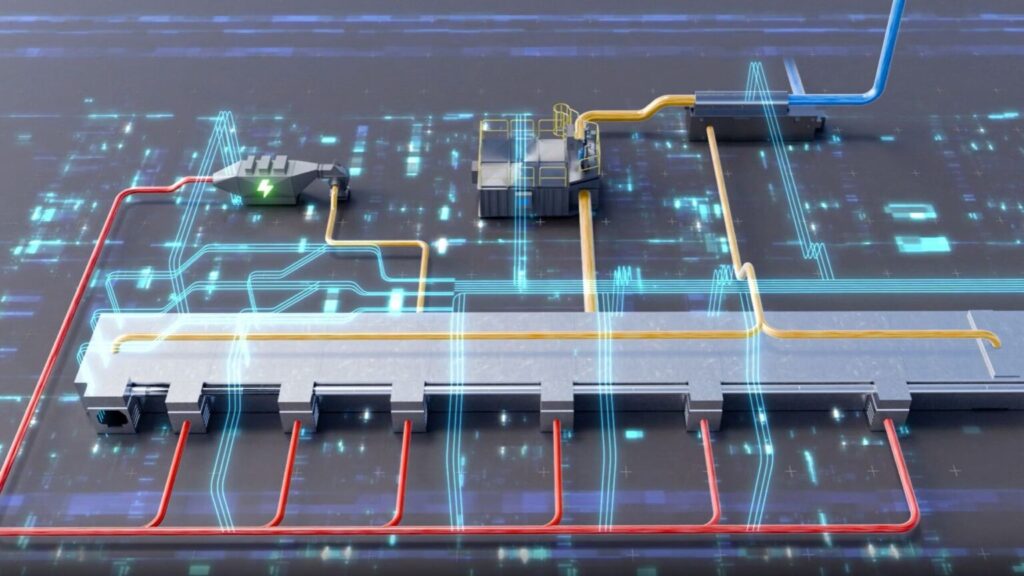
Electric heating also enables superior process control. It offers precise and stable temperature regulation, which is critical for consistent paint application and high-quality curing. Advanced systems can dynamically adjust energy input based on the number of car bodies in the oven, ensuring optimal energy utilisation without compromising output quality.
A range of advanced electric technologies is already enabling this transition:
- Electric oven systems such as Dürr EcoInCure and EcoSmartCure with Qflex technology offer energy flexibility, allowing manufacturers to switch energy sources without requiring structural modifications. Hybrid configurations combining gas and electric heating provide a pragmatic pathway, enabling operations to run electrically when power is available while retaining gas as a backup.
- Electric boilers facilitate efficient hot water generation, replacing conventional gas-based systems.
- Industrial heat pumps significantly enhance efficiency by reducing energy consumption in paint booths and pretreatment baths by 50% to 70%, leveraging heat transfer instead of combustion.
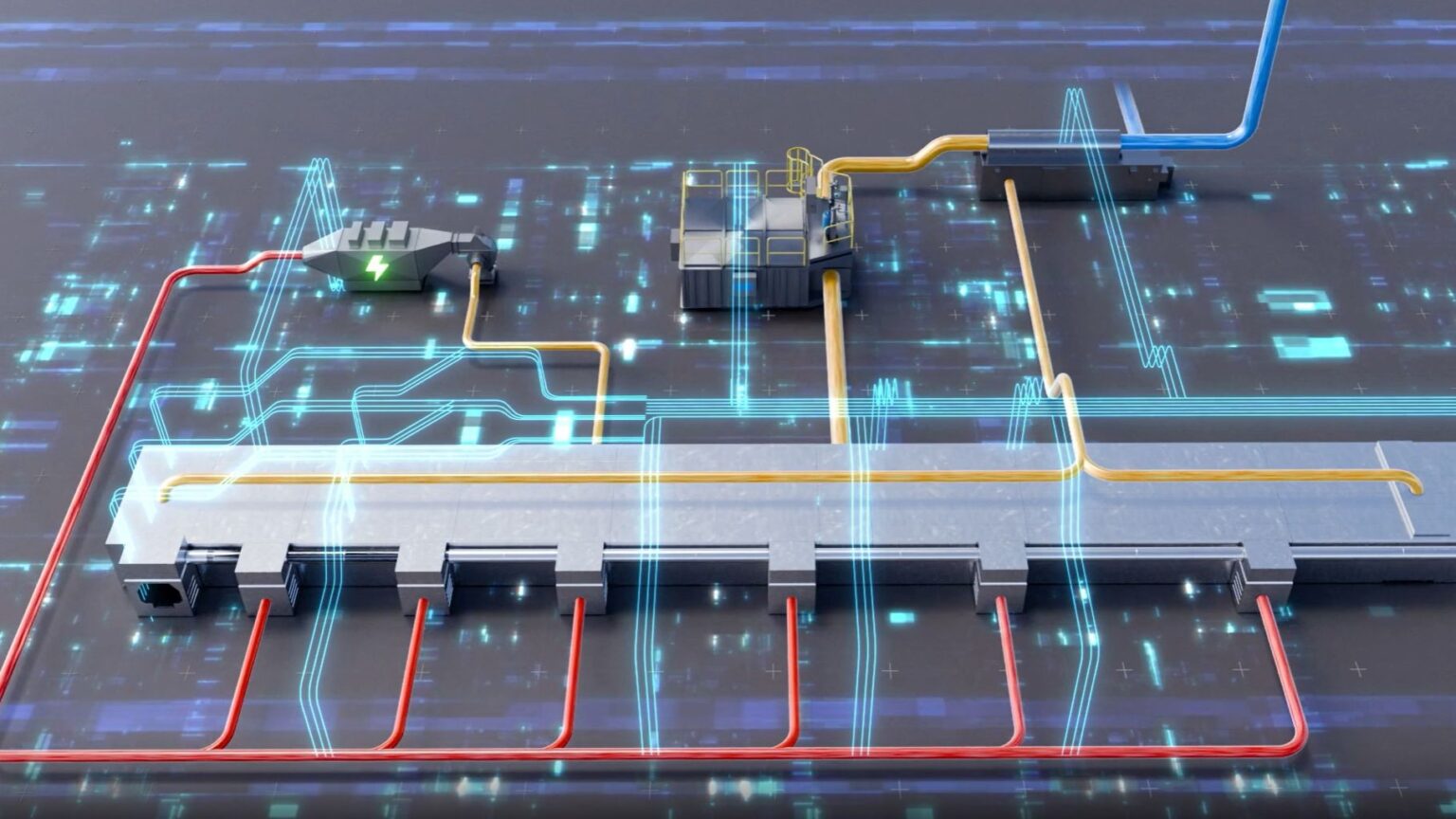
- Smart energy management solutions such as EcoQPower optimise the entire paint shop energy ecosystem, ensuring each process receives only the energy it requires while maximising the use of available sources and enabling full electrification.
Dürr offers a comprehensive portfolio of these sustainable technologies, tailored to OEM requirements, enabling manufacturers to capitalise on both environmental and operational gains.
As Chandrashekar Kulkarni, National Service Manager, Dürr India Private Limited, notes, “Amid ongoing LPG supply uncertainties and rising cost volatility, automotive manufacturers must rethink their energy strategy. Electric heating offers a reliable, efficient and future-ready alternative – ensuring operational stability while supporting the industry’s transition towards cleaner and more resilient manufacturing.”