
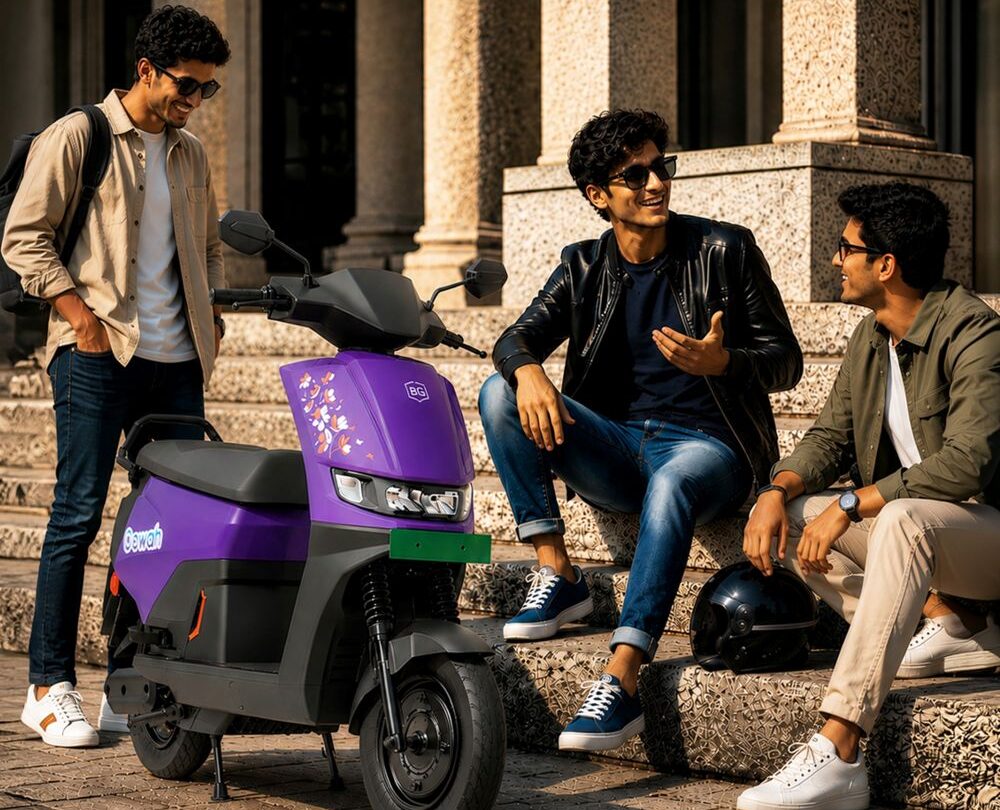
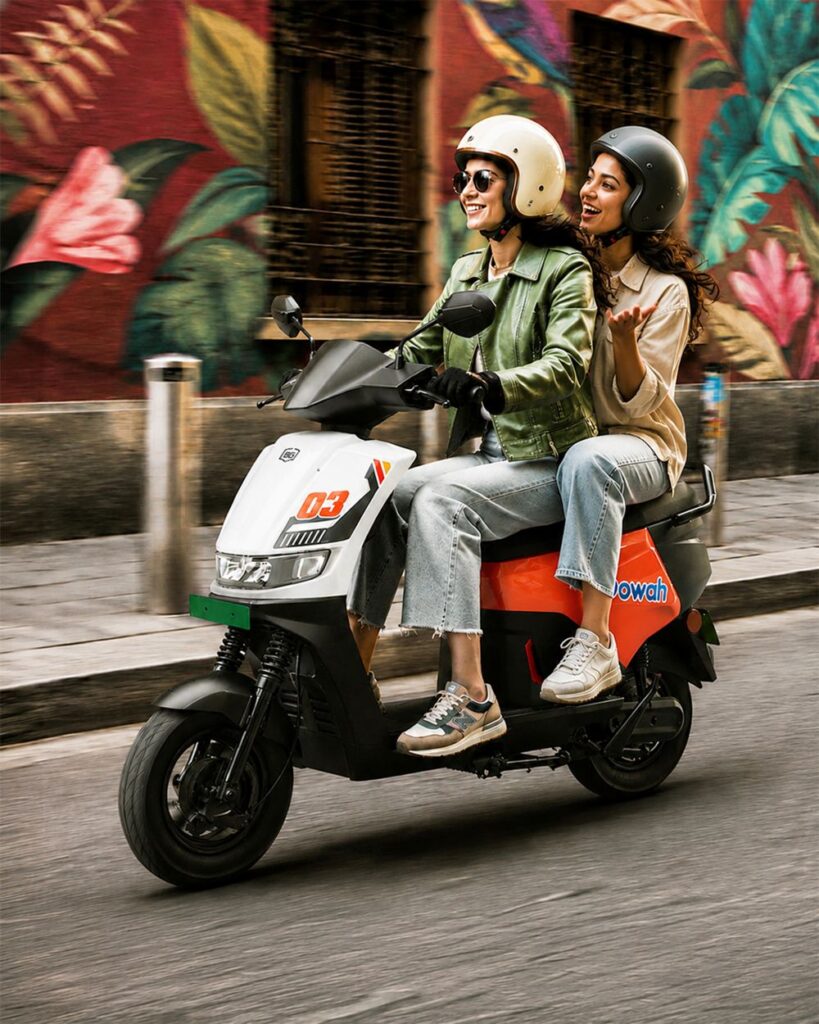
BGauss, the design and engineering-led electric mobility company, today launched the all-new Oowah, a new-age electric scooter aimed at India’s growing generation of first-time EV buyers. Billed as India’s first EV Pop scooter range, the Oowah combines everyday practicality with expressive design for urban commuting.
The scooter delivers a 145 km ARAI-certified range, powered by a 3.0 kWh CAN-enabled removable Lithium Iron Phosphate (LFP) battery that lets riders without dedicated home charging access charge indoors. Available in four colours — Emerald Shadow, Jamun Punch, Zesty Red and Tangy Toma — the Oowah pairs dependable performance with bold styling suited to urban riders.
Built around everyday usability, the Oowah includes reverse assist for effortless parking and manoeuvring, a distance-to-empty indicator for confident trip planning, a side stand sensor for added safety, USB charging, full LED lighting, and generous under-seat storage for daily essentials.
Speaking at the launch, Mr. Hemant Kabra, Founder, BGauss, said the Indian two-wheeler buyer is changing faster than most product portfolios have kept pace, with Gen Z seeking products that are expressive, contemporary and enjoyable to own. He said Oowah introduces a new category blending bold design with trusted electric mobility, reflecting individuality while delivering the reliability BGauss riders expect.
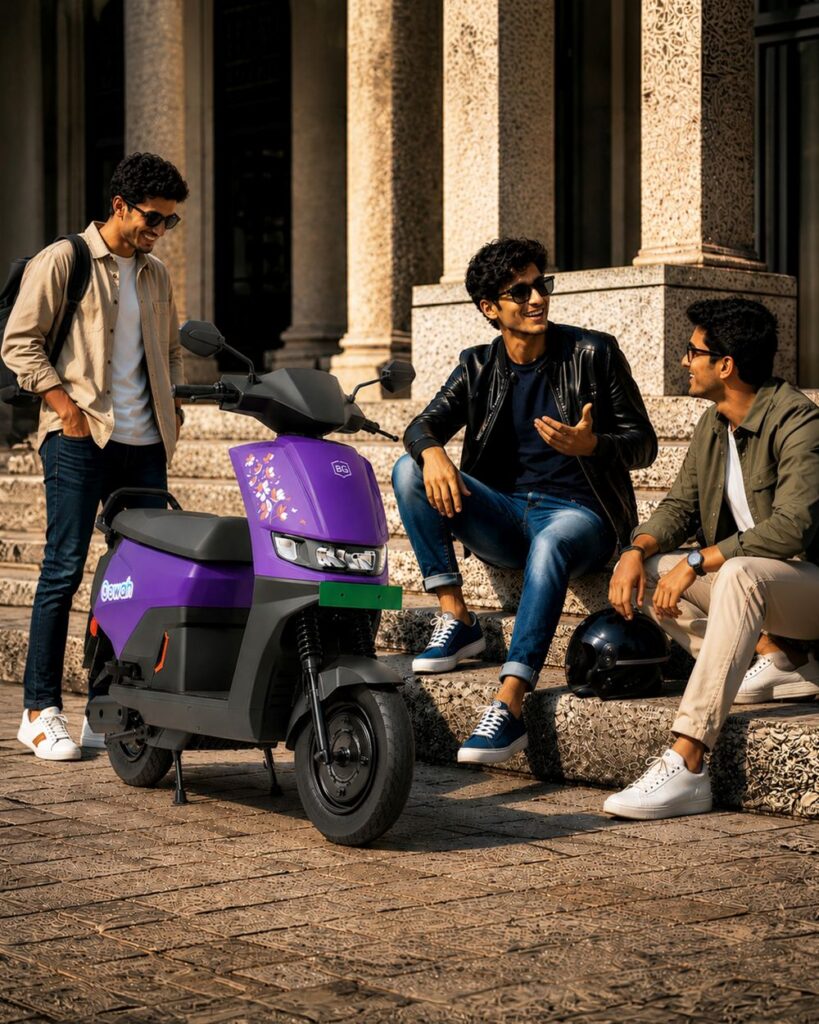
The launch arrives as India’s electric two-wheeler market enters a new growth phase — sales crossed 1.11 million units in the first seven months of 2026, with monthly market penetration surpassing 11% for the first time, reflecting the shift from early adopters to mainstream consumers.
While most electric scooters in India today are positioned as either premium performance products or value-first commuters, BGauss believes a third category is emerging — one where design and self-expression are core product decisions, without compromising on range, reliability, or price. The Oowah marks BGauss’s first dedicated push into the youth and first-time buyer segment, extending its portfolio beyond existing commuter and performance-oriented models, and reflects the company’s broader strategy of building distinct products for distinct rider behaviours as India’s EV two-wheeler market matures into mainstream, high-volume demand.