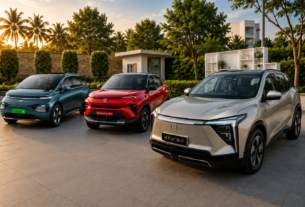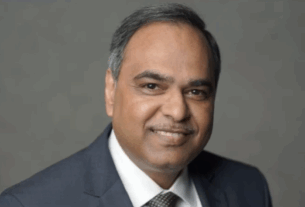

VinFast, part of Vingroup, Vietnam’s largest private conglomerate, plans to launch its first electric scooters in India early next year. The Vietnamese carmaker has been selling cars here for just over a year. Now it wants a share of the country’s huge two-wheeler market and also plans to enhance its passenger car business significantly.
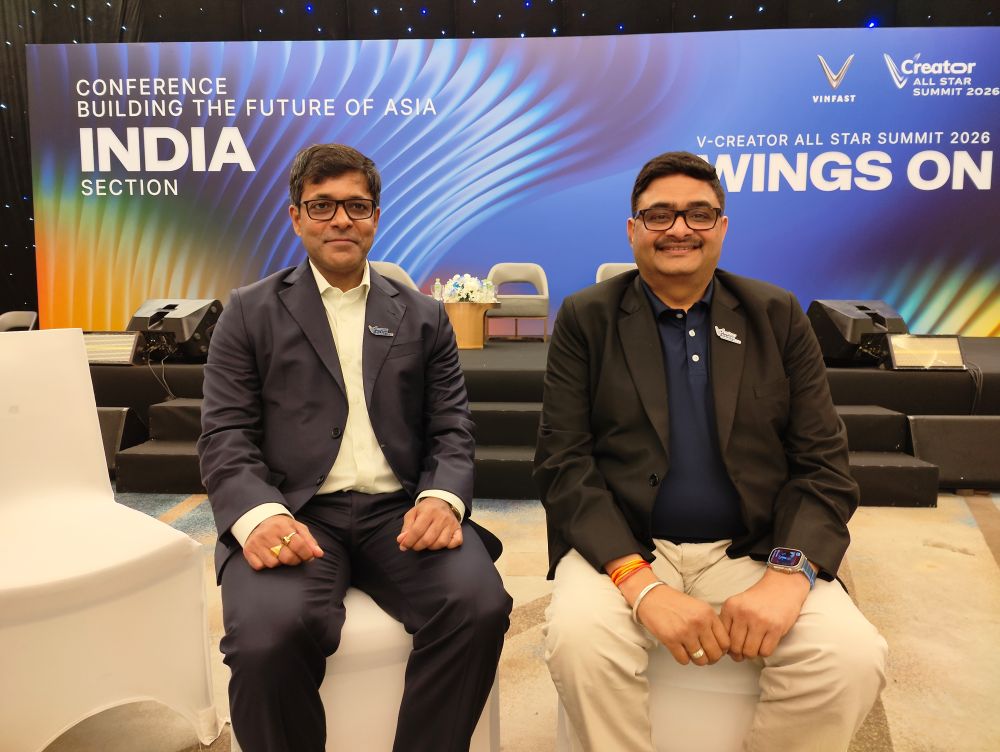
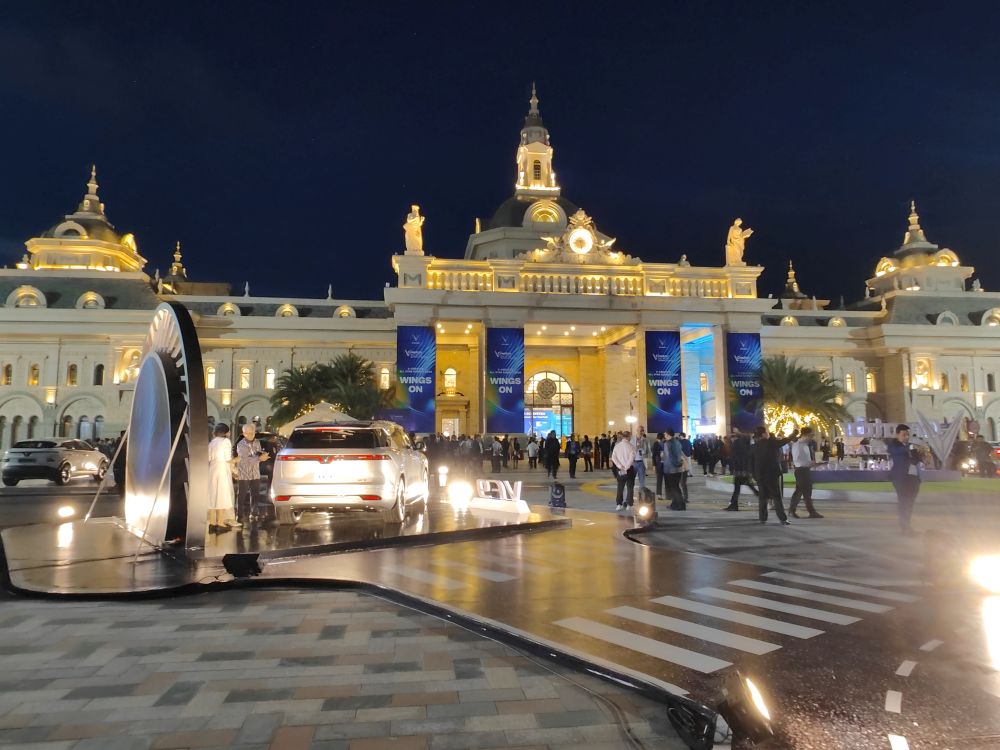
The company is building a separate two-wheeler production line at its plant in Thoothukudi in Tamil Nadu. Mr. Tapan Ghosh, CEO of VinFast Asia, said the line will eventually be able to make up to one million vehicles a year. He was speaking at VinFast’s V-Creator All Star Summit 2026, held from November 16 to 19 at the VinPearl Resort in Nha Trang, Vietnam. Production will start well below that level, though. The company will first see how buyers respond and then decide how much to make.
The appointment of dealers is in its final stages. Mr. Anurag Saxena, Market CEO for Two-Wheelers at VinFast India, said the company has tied up with more than 50 dealers across 34 cities in 15 States, and their showrooms are being built. Before a single scooter is sold, the company wants local staff trained so that buyers have a good experience from day one.
India to Get Customised Clones of Global Scooters
Three scooter models – EVO, KINET and KYO – were on display at the summit. Mr. Saxena said VinFast may not launch the same models in India but rather versions adapted for the local market, since India needs “lots of customisation due to the profile of the people.” He added that the frame will also be changed. Because roads, traffic and riders in India are different, the size, space and specifications of the scooters will be changed to suit them. To this end, the company has held customer clinics in India to learn what buyers want, both practically and emotionally.
VinFast will start with scooters, since they make up about 98% of electric two-wheelers sold in India. It has not ruled out motorcycles, but it will study that market first. There will be several models aimed at families, young riders, and e-commerce delivery and ride-hailing users. The company did not say how many.
The scooters will have batteries that can be swapped as well as charged. Mr. Saxena compared this to a petrol pump; “if you can swap a battery whenever you need to, you stop worrying about range,” he pointed out adding that most riders cover only 25 km to 35 km a day, and VinFast’s scooters will offer much more than that.
How the Car Business Got Here
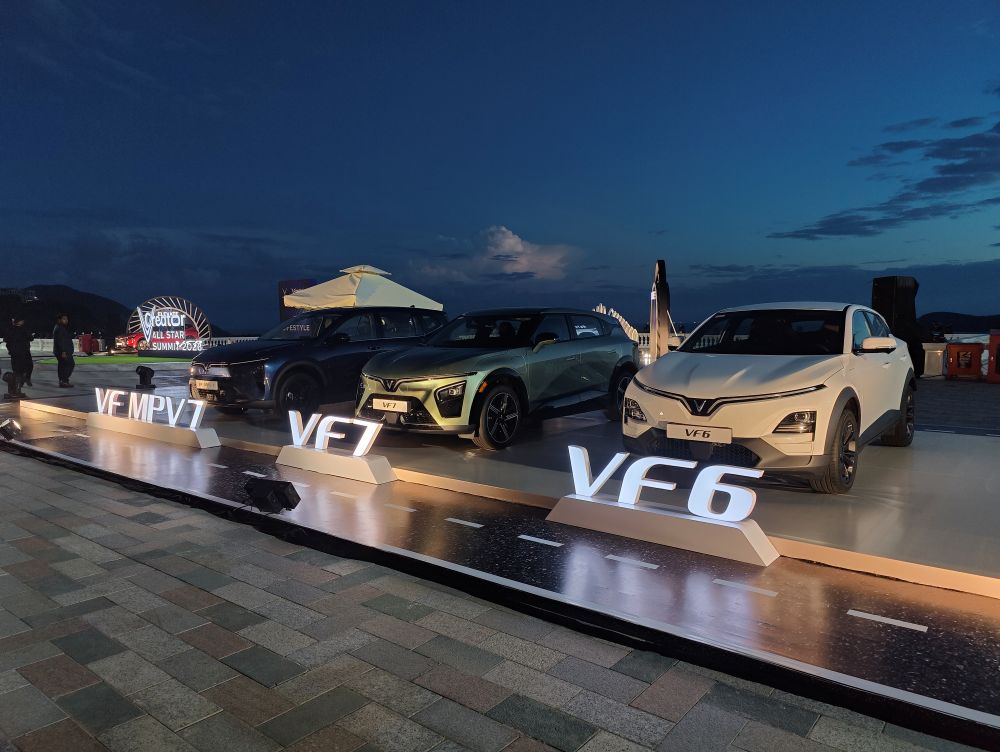
The scooter plans follow a strong first year for VinFast’s cars in India. The company began retail sales in September last year and has launched four models since then: the VF6, the VF7, the MPV7 and the Limo Green.
In the early months, it registered about 300 cars a month. That number is now between 2,500 and 3,000. Mr. Ghosh said this growth came from offering cars for different kinds of buyers. The VF6 and VF7 are SUVs for personal use, the MPV7 is a seven-seater for families, and the Limo Green is meant for fleet owners.
The company had aimed to open 75 showrooms by the end of this year. It already has 77 and expects to reach 80. It also has more than 120 workshops.
VinFast Takes on Five Big Worries Holding Back EV Buyers
Mr. Ghosh said VinFast plans to grow in the region by addressing customers’ concerns. According to him, people are not avoiding electric cars because the cars are bad. They are avoiding them because of a few practical worries, and VinFast has a plan for each one, he said and presented this approach, which he called “5 Worries, 5 Solutions,” at the summit. According to him the move to green transport cannot be stopped. What is needed is to make the switch easy enough that ordinary people actually make it.
Why People Still Hesitate
Mr. Ghosh said most people moved from basic phones to smartphones without a second thought, but changing cars is different. EV batteries, performance and software have improved a lot, and EVs can now match or beat petrol cars in many ways. Still, buyers hold back. They wonder how long the battery will last, whether they will find a charger when they need one, and who will help them if something goes wrong. Mr. Ghosh grouped these doubts into five worries.
Hunt for a Suitable Vehicle
The first worry is finding a car that fits the buyer’s needs. VinFast’s answer is to offer more choice. Its range runs from small city cars like the VF2 and VF3 to SUVs, family MPVs and commercial vehicles, so buyers with different budgets and needs can find a model, he said.
Ownership Worries
The second worry covers battery quality, the cost of owning an EV and how much value it will lose over time. Mr. Ghosh said the company is reducing this risk in a few ways. In Indonesia and the Philippines, buyers can subscribe to the battery instead of buying it, which lowers the upfront price. VinFast also offers long battery warranties. In some markets, it guarantees how much the car will be worth when the owner sells it, which takes some of the fear out of depreciation.
Charging Woes
The third worry is not finding a charger when needed. In Vietnam, Vingroup’s VinFast and V-Green have invested heavily in charging stations, and the network is now expanding to other countries. Drivers can find the nearest charger from the car’s screen or the VinFast app.
Tech Anxiety
The fourth worry is getting used to new technology. VinFast is building a new electronic system for its cars that uses AI and cloud computing. The aim is technology that helps without the driver having to figure it out. The car could remind the owner about servicing, suggest safer driving and point to a charging station before the battery runs low, he said.
Support Gaps
The last worry is the lack of basic services and quick help. Mr. Ghosh said the company will keep opening showrooms, dealerships and service centres so that help is close by, especially when something goes wrong without warning.
VinFast’s pitch goes beyond the cars themselves. Along with V-Green, which runs fast-charging stations and battery swap cabinets, and its electric taxi affiliate GSM (Green and Smart Mobility), the EV maker is building a wider system that covers research, manufacturing, sales, servicing and charging. The idea is to make electric transport part of everyday life rather than a niche choice, he said. “The greener planet will not come from big promises but from small, real changes in how people get around every day,” he added.
Reducing the Risk for First-Time EV Buyers
Mr. Ghosh said most Indian buyers still do not know how long an EV battery will last or what the car will be worth later. For a middle-class family, buying an EV is a big investment.
To address this, VinFast promises to buy the car back at 75% of its value after two years and 55% after five years. The battery warranty runs for eight to ten years depending on the model, or up to 2 lakh km, and it passes on to a second owner. Maintenance is free for three years, and charging at V-Green stations is free until March 2029.
Growing Steadily
VinFast has invested about $500 million in its Thoothukudi plant so far. It has committed $2 billion over several years, and this total covers both cars and two-wheelers. The plant sits on 450 acres, and the company has signed an agreement with the Tamil Nadu government for another 500 acres.
The car line can currently make 50,000 vehicles a year, and this can rise to 150,000. Mr. Ghosh said the plant was built in just 17 months, and he expects the next increase in capacity to come soon.
The company aims to launch about two new car models a year, mostly Vietnamese models customised for India. Still, he stressed that the company does not want to rush. “There is a difference between being fast and rushing things,” he said. He added that plans for electric buses are on hold as of now.
Localisation Agenda
Only about 15% of the parts in VinFast’s cars are made in India right now. Mr. Ghosh said this will rise as sales grow and more local suppliers come on board. Exports will come later, starting with right-hand-drive countries.
When asked about market share, he declined to give a figure, calling it “just a number.” What matters to the company, he said, is that electric cars now make up about 7% to 8% of passenger car sales, up from around 4% a year ago, and that the market is growing every month.