
India’s two-wheeler segment recorded its best-ever June performance, with total retail registrations reaching 18,28,458 units — a significant jump from 15,08,378 units in June 2025. The 21.22% year-on-year surge was broad-based, with virtually every player posting volume gains, though the market share movements told a more nuanced story of leaders holding ground, challengers closing in, and electric vehicle players rewriting the competitive landscape.
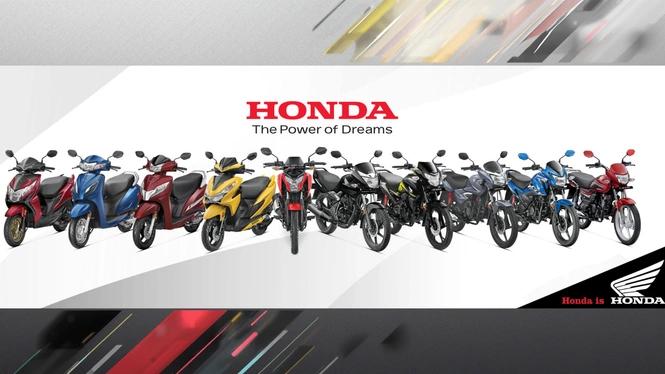
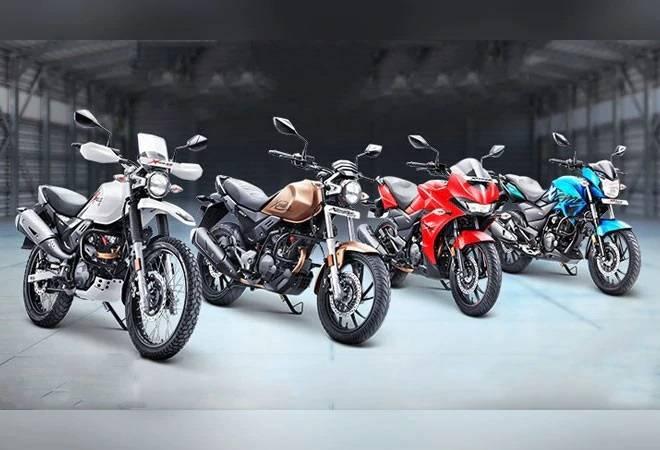
Hero MotoCorp retained its position as the segment’s largest player with 4,72,144 units, though its market share edged down marginally from 26.64% to 25.82%. The volume growth was healthy — up from 4,01,803 units — but the slight share dip suggests rivals are growing at a faster pace. For a brand of Hero’s scale, holding the top position in a market growing this quickly remains a significant achievement, but the narrowing gap with Honda will be something to watch closely in the months ahead.
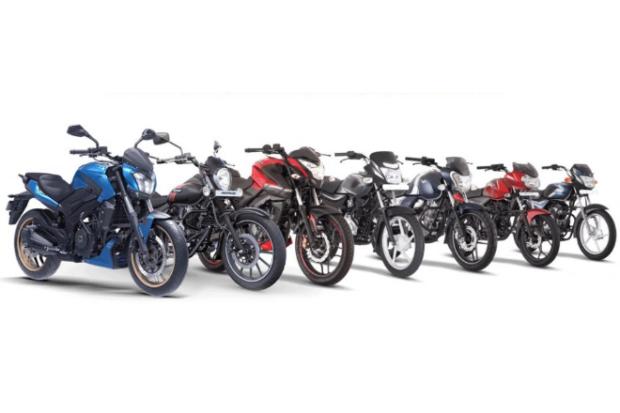
Honda Motorcycle and Scooter India was the most notable challenger, recording 4,52,754 units and a 24.76% market share, up marginally from 24.86% a year ago. The volumes were up strongly from 3,74,971 units, and Honda’s consistency in tracking closely behind Hero — despite the latter’s much wider motorcycle portfolio — reflects the enduring strength of its scooter lineup and its growing presence in the commuter motorcycle space. The gap between the two brands continues to narrow.
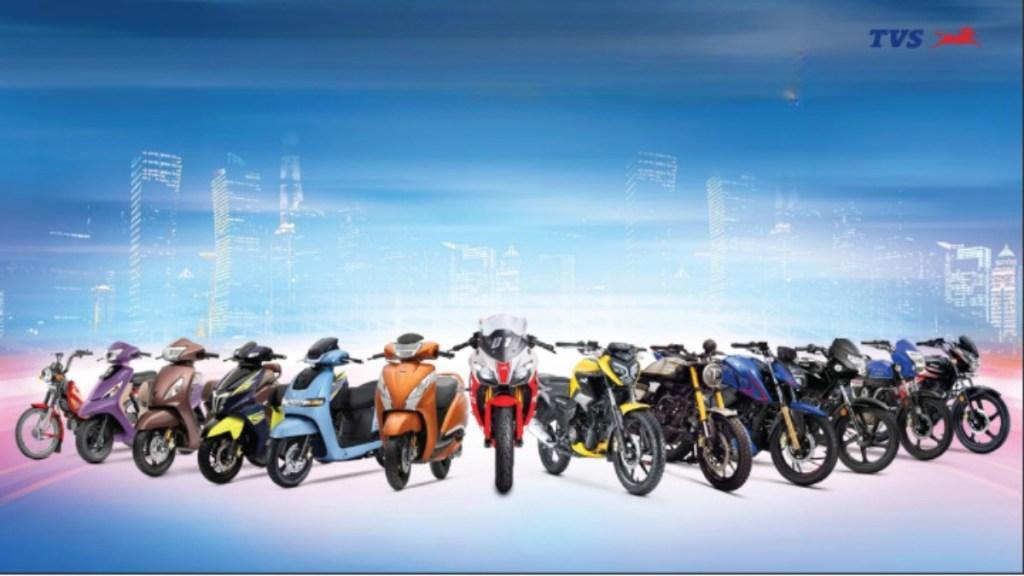
TVS Motor Company delivered a strong performance, growing from 2,92,639 units to 3,59,243 units and nudging its market share up from 19.40% to 19.65%. TVS is one of the cleaner share gain stories among the larger players, reflecting the strength of its product portfolio across motorcycles, scooters, and electric vehicles. Its consistent upward trajectory in share terms, even as the market expands rapidly, points to a brand firing on multiple cylinders.
Bajaj Auto posted 1,88,145 units, but its market share dipped from 10.99% to 10.29% — a meaningful decline for a brand that has been investing heavily in premiumisation and its Chetak electric platform. While volumes grew from 1,65,733 units, Bajaj appears to be losing ground relatively as rivals in both the mass and premium segments press harder.
Suzuki Motorcycle India recorded 1,05,057 units with a 5.75% share, slightly down from 6.00% a year ago despite healthy volume growth from 90,429 units. The share dip is modest but consistent with a trend of Suzuki growing more slowly than the overall market, particularly as newer and more aggressively positioned rivals eat into the mid-segment space.
Royal Enfield was among the stronger performers in share terms among the traditional players, growing from 75,386 units and a 5.00% share to 94,548 units and a 5.17% share. The gain is notable given that Royal Enfield plays almost exclusively in the premium motorcycle space — a segment that is growing in India but remains a fraction of overall volumes. The brand’s continued share growth in this environment reflects genuine momentum.
India Yamaha Motor posted 67,696 units with a 3.70% share, up from 3.33% a year ago and from 50,234 units — one of the stronger share gain performances among mid-sized players. Yamaha’s improving trajectory reflects growing acceptance of its scooter and sports motorcycle lineup, and the recent Aerox E launch adds an electric dimension that could further accelerate its growth.
Among electric vehicle players, the story was sharply divided. Ather Energy was the standout, growing from 16,015 units and a 1.06% share to 31,230 units and a 1.71% share — nearly doubling its volumes and lifting its share significantly. The growth reflects the strong reception to its updated product lineup and expanding distribution.
Ola Electric, by contrast, was the segment’s most notable decliner, falling from 20,697 units and a 1.37% share to 16,150 units and a 0.88% share — a significant drop in both volume and share at a time when the overall market and the EV subsegment are growing. The decline points to intensifying competition in the electric scooter space and challenges the brand faces in maintaining its earlier momentum.
Greaves Electric Mobility was among the fastest-growing players in percentage terms, more than doubling its volumes from 4,310 to 10,930 units and lifting its share from 0.29% to 0.60%. River Mobility similarly showed strong growth, rising from 1,399 to 4,399 units, while BGauss Auto also grew meaningfully from 1,975 to 3,917 units. These three players are still small in absolute terms, but their trajectories suggest the electric two-wheeler space is becoming increasingly competitive beyond the two or three names that initially dominated it.
Classic Legends, which markets the Jawa and Yezdi brands, more than doubled its volumes from 2,106 to 4,515 units, lifting its share from 0.14% to 0.25% — a quiet but consistent upward move that suggests its premium retro motorcycle lineup is finding a growing audience.
Piaggio Vehicles grew from 2,475 to 3,263 units, with its share rising from 0.16% to 0.18% — modest gains but in the right direction for a brand building its electric two-wheeler presence alongside its established three-wheeler business.
The “Others Including EV” category nearly doubled from 8,206 to 14,467 units, growing its share from 0.54% to 0.79% — a clear signal that a long tail of smaller electric players is collectively making inroads and that the two-wheeler EV space remains far from consolidated.