
The segment accounted for 7.8 % of the overall two-wheeler market in April 2026, lower than the 9.8 % share recorded in March, but significantly higher than the 5.5 % penetration seen in April 2025.
India’s electric two-wheeler market continued to witness strong year-on-year growth in April 2026, even as the segment experienced a sharp sequential correction after a high March base.
According to FADA retail data, electric two-wheeler retail sales stood at 1,48,740 units in April 2026, registering a healthy 60.7 % growth over April 2025. However, volumes declined by 22.1 % compared to March 2026.
TVS Takes Top Spot
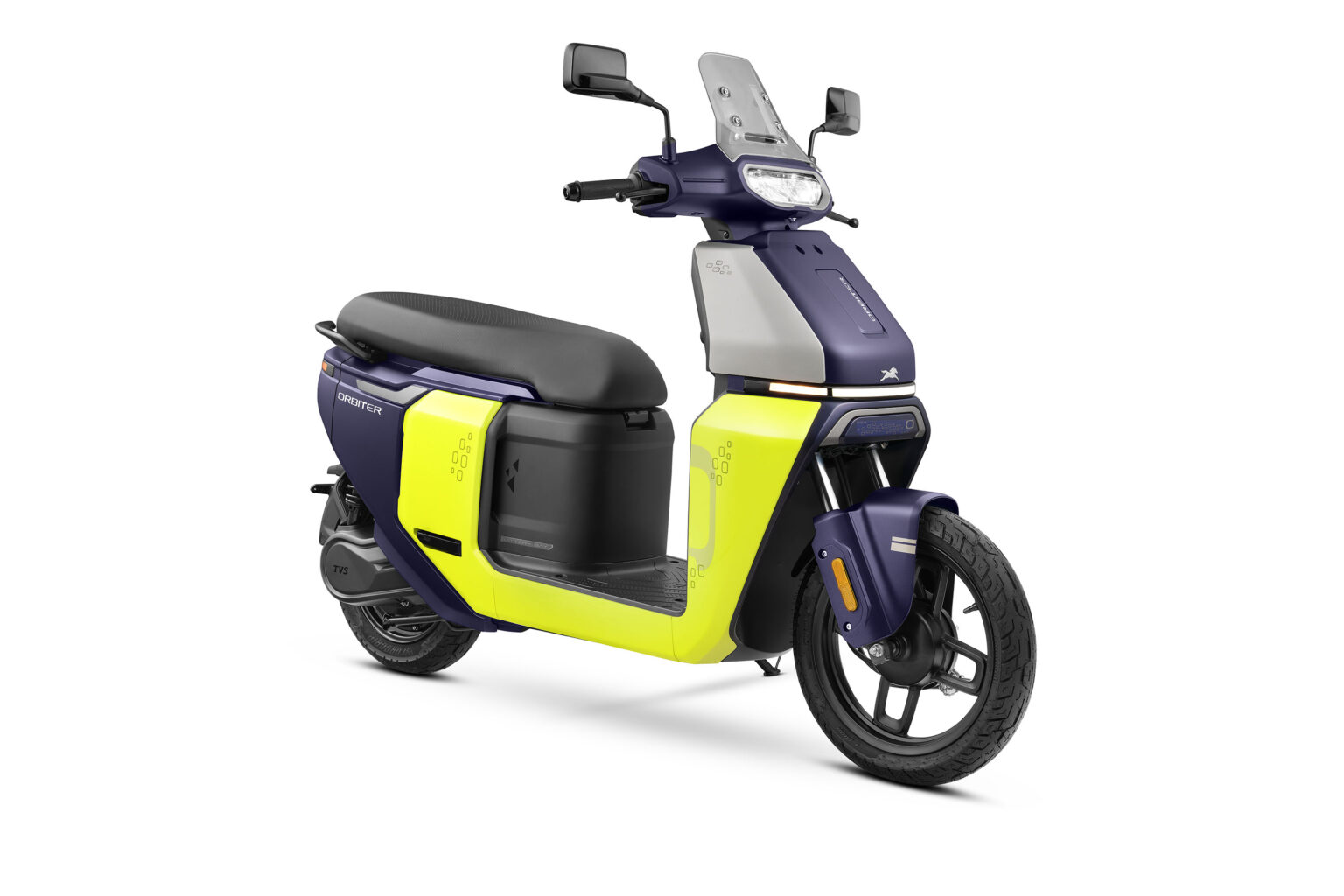
TVS Motor Company emerged as the market leader in April 2026 with retail sales of 37,683 units. While volumes declined 23.6 % sequentially, the company posted a strong 88.6 % year-on-year growth. The company continues to benefit from its expanding dealer network, growing customer confidence and increasing acceptance of its electric mobility portfolio. The company’s ability to scale volumes consistently has helped it strengthen its position in India’s competitive electric scooter market.
Bajaj Maintains Strong Presence
Bajaj Auto secured the second position with retail sales of 32,898 units during the month. The company recorded a 71.7 % growth over April 2025 despite a 28.9 % month-on-month decline. The vehicle maker’s strong performance highlights the sustained demand for its electric offerings, supported by brand trust, established sales channels and improving product acceptance across urban markets.
Ather Continues Aggressive Growth
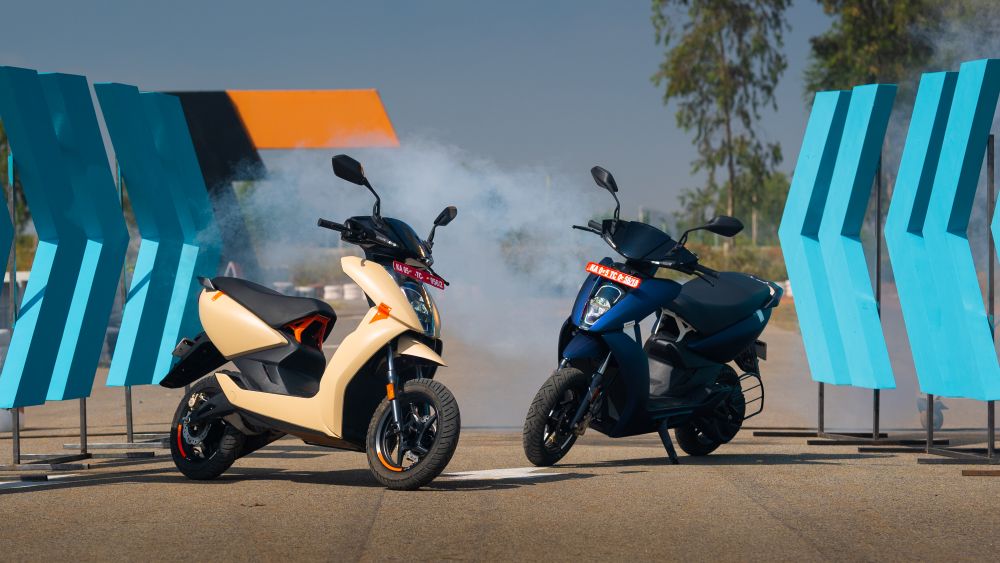
Ather Energy retailed 27,034 units in April 2026, registering a robust 102.8 % year-on-year increase. Sequentially, however, volumes declined by 24.4 %. The company continues to strengthen its premium electric scooter positioning through technology-focused offerings, charging infrastructure expansion and growing retail reach.
Hero Accelerates Rapidly
Hero MotoCorp recorded one of the strongest annual growth performances in the market. The company retailed 15,238 electric two-wheelers during April 2026, posting a massive 147.8 % increase over the previous year. Although monthly volumes declined by 29 %, its strong annual momentum indicates that the company is rapidly expanding its electric mobility footprint and gaining traction in the mainstream scooter market.
Ola Faces Pressure
Ola Electric Technologies retailed 12,171 units in April 2026. The company was among the few major OEMs to post positive sequential growth, with volumes rising 20.3 % over March. However, year-on-year sales declined sharply by 38.6 %. The contrasting performance suggests that while the company may be witnessing short-term recovery in retail momentum, it continues to face intense competition from traditional OEMs and emerging rivals in the electric scooter segment.
Greaves Holds Steady
Greaves Electric Mobility recorded retail sales of 6,884 units, growing 72 % compared to April 2025 despite a 13.6 % month-on-month decline. The OEM continues to maintain a stable presence in the market, particularly in affordable urban mobility solutions.
Emerging Players Gain Visibility
River Mobility emerged as one of the fastest-growing brands in the emerging segment. The company retailed 3,199 units during April 2026, posting a massive 301.9 % growth over April 2025.
BGauss Auto also reported strong momentum with 3,066 units, registering a 133.5 % year-on-year increase despite softer monthly volumes.
The “Others” category contributed 10,567 units, though the segment witnessed declines both sequentially and annually, indicating that the market is gradually consolidating around larger and better-funded brands.
Evolving Landscape
The April 2026 retail data highlight a rapidly evolving electric two-wheeler market where established automotive players are steadily strengthening their dominance through wider networks, improved product quality and stronger aftersales ecosystems. While overall monthly volumes softened after March, the sharp rise in annual sales and market penetration reflects continued consumer confidence in 2W electric mobility. The market is also becoming increasingly competitive, with traditional OEMs, premium EV startups and emerging regional players all fighting for scale in what is becoming one of India’s most dynamic automotive segments.